Roofing projects can be unpredictable. Weather delays, scheduling issues, or material delivery timing can sometimes result in shingle bundles sitting on a roof longer than expected. While short-term exposure is usually manageable, extended exposure to ultraviolet (UV) radiation, moisture, and heat can negatively affect roofing materials if not properly managed. According to the Asphalt Institute Foundation’s durability research report, aging mechanisms such as UV exposure can alter the physical properties of asphalt shingles—leading to brittleness, cracking, and loss of protective granules that are essential for long-term performance and longevity when in service on a roof.
Understanding how roofing shingle bundles work—from how many shingles come in a bundle to weight limits, coverage calculations, costs, storage rules, and installation best practices—helps homeowners and contractors protect their investment and avoid costly mistakes. This comprehensive guide breaks down everything you need to know to plan, store, and install roofing shingles correctly and efficiently.
Understanding the Number of Shingles in a Bundle
The number of shingles in a bundle varies depending on shingle type, thickness, and manufacturer design. Bundling is based on achieving a standard coverage area rather than a fixed shingle count.
-
Three-tab (standard asphalt) shingles generally contain 21 to 29 shingles per bundle. These shingles are thinner, flat, and uniform in shape, making them lightweight and easier to transport and install.
-
Architectural (dimensional) shingles usually include 15 to 22 shingles per bundle. Their increased thickness, layered construction, and heavier weight reduce the number of shingles per bundle.
Although architectural bundles contain fewer shingles, they provide greater durability, enhanced wind resistance, improved insulation, and a more dimensional, high-end appearance. Bundle counts may vary slightly by brand, so always verify coverage details on the manufacturer’s packaging.
Determining the Right Amount of Roofing Nails per Bundle
Roofing nail requirements depend on several critical factors, including shingle type, roof pitch, wind exposure, and local building codes.
-
Standard installation conditions
-
4 nails per shingle
-
Approximately 320 nails per square (100 sq ft)
-
-
High-wind or coastal areas
-
5–6 nails per shingle
-
Approximately 450–480 nails per square
-
Example calculation:
-
A bundle with 29 shingles × 4 nails = 116 nails per bundle
-
Three bundles (one square) = 348 nails
Roofing nails are sold by weight. A 5-pound box of 1¼-inch smooth shank nails contains roughly 975–980 nails, which typically covers about three squares under normal conditions. Ring shank nails may contain fewer nails per box due to increased weight.
Proper nailing is essential. Under-nailing can cause shingles to lift or blow off, while over-nailing can puncture shingles and reduce water resistance.
Weight of a Bundle of Roofing Shingles
The weight of shingle bundles directly affects roof load, worker safety, and material handling logistics.
-
Three-tab shingles: 60–65 pounds per bundle
-
Architectural shingles: 70–80+ pounds per bundle
-
Luxury or designer shingles: Can exceed 80–90 pounds per bundle
Heavier shingles generally provide better protection against wind uplift, hail, and temperature fluctuations. However, their added weight requires careful staging and even distribution to prevent structural stress, especially on older roofs or steep slopes.
How Much Does a Bundle of Roofing Shingles Cost?
Shingle pricing varies by quality, design, and brand, but typical ranges include:
-
Standard asphalt shingles: $90–$110 per bundle
-
Architectural shingles: $110–$150 per bundle
-
Luxury shingles: Higher upfront cost with extended lifespan
While premium shingles cost more initially, they often last longer, resist weather damage better, and enhance curb appeal—factors that can increase resale value and reduce long-term maintenance expenses.
Calculating Shingle Bundle Requirements for Any Roofing Project
Accurate calculations prevent delays, overspending, and material shortages.
Step-by-step example:
-
Measure roof area
-
30 ft × 40 ft = 1,200 sq ft
-
-
Convert to roofing squares
-
1,200 ÷ 100 = 12 squares
-
-
Calculate bundles
-
12 × 3 bundles = 36 bundles
-
-
Add waste factor (5–10%)
-
Final total ≈ 40 bundles
-
Complex roof designs, steep pitches, dormers, valleys, and ridges may require additional material beyond the standard waste allowance.
Coverage Area of a Shingle Bundle
A standard bundle of shingles covers approximately 33.3 square feet.
This standardized coverage allows homeowners and contractors to estimate material needs efficiently:
-
Total roof area ÷ 33.3 = total bundles required
Always confirm coverage details with the manufacturer, as heavier or specialty shingles may slightly alter coverage.
Lifespan of Roofing Shingles
Once installed correctly, shingles typically last:
-
15–20 years: Standard three-tab shingles
-
25–30+ years: Architectural or premium shingles
Longevity depends on:
-
Installation quality
-
Roof ventilation
-
Climate exposure
-
Regular inspections and maintenance
Extreme heat, ice dams, salt air, and storm activity can shorten shingle lifespan if not properly addressed.
Choosing the Right Shingle Bundles for Your Roof
Understand Shingle Options
-
Three-tab shingles: Economical and simple
-
Architectural shingles: Durable, dimensional, modern
-
Luxury shingles: Maximum lifespan and premium appearance
Match Shingles to Climate
-
Wind-rated shingles for storm-prone areas
-
Impact-resistant shingles for hail regions
-
Algae-resistant shingles for humid environments
Budget Planning
Account for both materials and professional installation. Higher-quality shingles often reduce long-term repair and replacement costs.
Aesthetic Considerations
Shingle color and texture significantly affect curb appeal. Viewing samples in different lighting conditions helps ensure the right match for your home.
Warranty Review
Look for warranties of 25 years or more, including coverage for wind resistance, manufacturing defects, and algae protection where applicable.
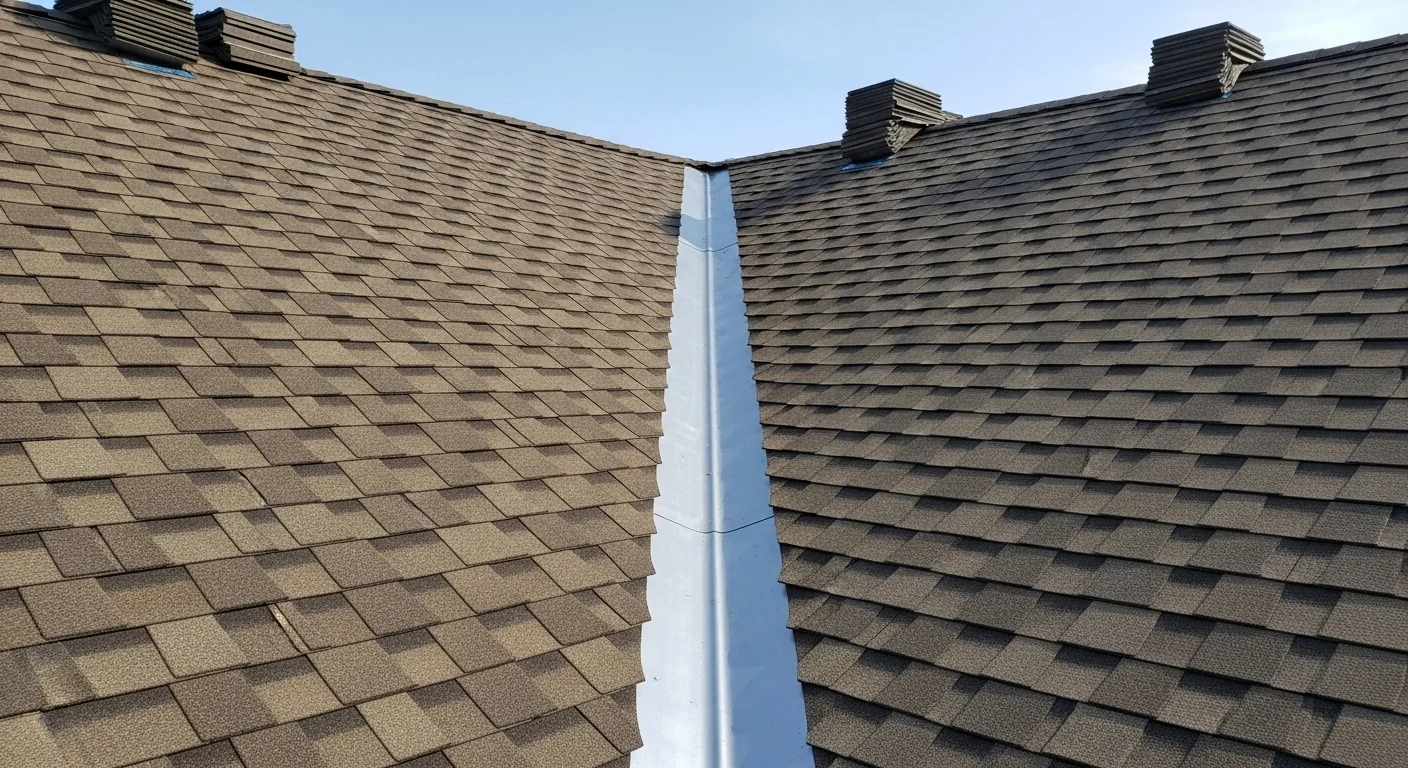
Proper Stacking and Storage of Shingle Bundles on a Roof
Correct stacking protects both the roof structure and the shingles themselves:
-
Avoid stacking during rain, snow, or strong winds
-
Distribute weight evenly across load-bearing areas
-
Keep bundles away from roof edges, valleys, and eaves
-
Limit stacks to 8–9 bundles maximum per location
-
Store bundles in shaded areas to prevent overheating
-
On steep roofs, secure bundles with temporary boards
-
Handle architectural shingles carefully to prevent bending or delamination
Improper stacking can lead to cracked shingles, roof deck damage, and safety hazards.
Conclusion
Roofing shingles are engineered for durability, but they are not intended for extended exposure before installation. While short-term exposure to sun or moisture is generally safe, prolonged exposure can weaken adhesives, warp shingles, and reduce overall performance.
By understanding shingle bundle quantities, weight limits, coverage calculations, costs, lifespan expectations, storage requirements, and installation best practices, homeowners and contractors can make informed decisions that protect their roofing investment. Proper planning, careful handling, and professional installation remain the foundation of a long-lasting, high-performing roof.