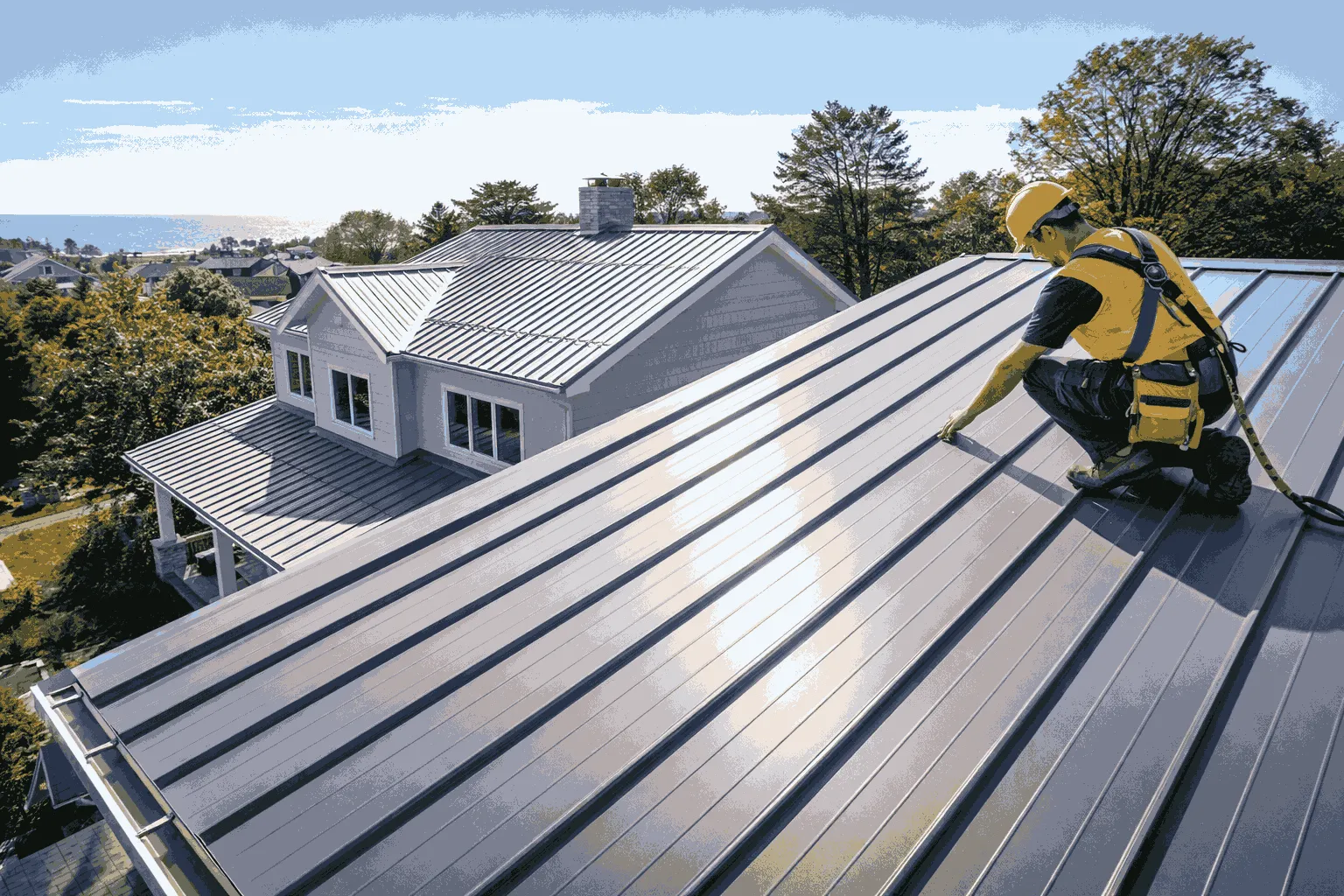
The global metal roofing market is experiencing steady growth, with its value projected to increase from approximately $26.33 billion in 2024 to around $34.67 billion by 2032. This rise reflects a growing preference for roofing systems that offer superior durability, long-term cost efficiency, and modern aesthetics. Metal roofing has become a top choice for both residential and commercial buildings—but its performance depends heavily on correct installation.
One of the most overlooked yet critical installation details is panel overlap. Proper overlap ensures water is directed off the roof, prevents wind uplift, accommodates thermal expansion, and creates a clean, professional appearance. Even the highest-quality metal roofing materials can fail prematurely if overlaps are poorly executed.
Whether you are a homeowner researching metal roofing or a contractor aiming to refine installation practices, understanding how to correctly overlap metal roofing panels is essential. When done right, proper overlap creates a seamless, weather-resistant barrier that protects your home or building for decades.
In this in-depth guide, we’ll walk you through everything you need to know—from preparation and correct overlap techniques to tools, common mistakes, professional advantages, climate considerations, and long-term maintenance.
Why Proper Overlap Matters
Proper overlap is the backbone of a metal roofing system’s performance. Overlaps are designed to control how water, air, and temperature movement interact with the roof surface.
Water Protection
Metal roofs rely on gravity to shed water. When panels overlap correctly, rainwater flows naturally down the roof and off the structure. Improper overlap creates channels where water can travel sideways or upward during heavy rain or wind-driven storms. Over time, this leads to leaks, insulation damage, wood rot, and interior ceiling stains.
Wind Resistance
High winds place significant pressure on roof panels. Correct overlap locks panels together, reducing the chance of uplift or vibration. Poorly overlapped panels can flutter, loosen fasteners, or peel away entirely during storms, especially in coastal or high-wind regions.
Thermal Expansion and Contraction
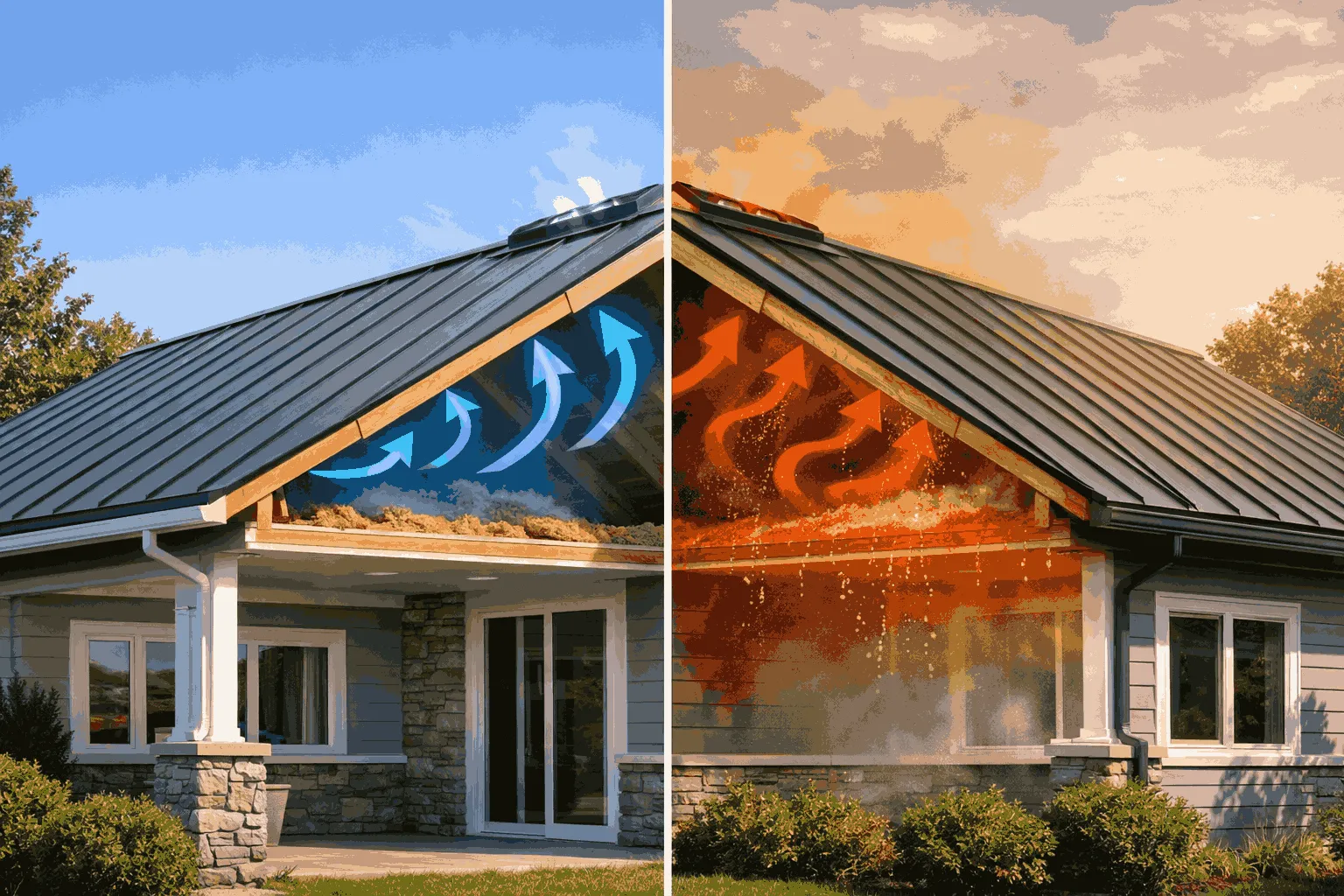
Metal expands in heat and contracts in cold. A properly overlapped system allows panels to move slightly without stress. If overlaps are too tight or misaligned, panels may buckle, oil-can, or crack sealant lines over time, reducing roof lifespan.
Structural and Visual Integrity
Uniform overlap keeps panel lines straight and consistent across the roof. Crooked overlaps not only look unprofessional but often signal deeper installation flaws that can compromise performance.
Step-By-Step: How to Overlap Panels Correctly
Preparation
A successful metal roof installation starts long before the first panel is installed. The roof deck must be inspected thoroughly. Any damaged, rotted, or uneven decking should be repaired or replaced. A solid deck ensures panels lie flat and fasteners remain secure over time.
Next, install a high-quality underlayment, such as synthetic roofing underlayment or ice-and-water shield in vulnerable areas. This secondary moisture barrier protects the roof deck if water penetrates beneath the metal panels due to extreme weather conditions.
After underlayment installation, snap a chalk line along the eaves. This line ensures the first panel is square to the roof edge. A misaligned first panel will compound alignment issues across the entire roof, making correct overlap nearly impossible.
Positioning the First Panel
Installation typically begins at a gable end opposite the direction of prevailing winds. This reduces the chance of wind-driven rain entering panel seams.
Position the first panel so it aligns with the chalk line and extends slightly beyond the eave—usually ¾ to 1 inch—to direct water into the gutter. Ensure the panel is perfectly straight before fastening.
Fasten the panel using manufacturer-approved screws with neoprene washers. Screws should be installed every 12 to 18 inches along the eave and rake edges. Avoid over-tightening, which can deform panels and crush washers, leading to leaks.
Install foam or rubber closure strips beneath the panel ribs at the eaves. These closures prevent insects, birds, wind-driven rain, and debris from entering the roof system while still allowing proper ventilation airflow.
Adding Adjacent Panels
Correct overlap between adjacent panels is essential for water tightness.
-
Corrugated or exposed-fastener panels: Overlap by at least one full rib
-
Standing seam panels: Engage the snap-lock seam fully using the appropriate crimping or locking tools
Before fastening, apply a continuous strip of butyl sealant tape along the overlap seam. Butyl tape remains flexible over time, accommodating thermal movement while maintaining a watertight seal.
Panels should fit snugly together without forcing them. Pre-drilling fastener holes helps prevent panel distortion and allows slight movement during temperature changes. Fasteners should be evenly spaced and tightened just enough to seat the washer flat against the metal surface.
End Laps
End laps are required when panel lengths do not cover the full slope of the roof. These joints are especially vulnerable to water intrusion and must be handled carefully.
End laps should always fall over structural supports or liner panels. Overlap the upper panel over the lower panel by 6 to 8 inches, depending on roof pitch and manufacturer recommendations.
Apply a continuous strip of butyl tape between the panels before fastening. Secure the lap with screws spaced every 6 inches around the perimeter. This prevents capillary action, where water is drawn upward between panels during heavy rain or snowmelt.
In low-slope roofs or areas with heavy snowfall, longer end laps may be required to ensure proper drainage.
Ridge Caps & Flashing
Ridge caps seal the roof peak while allowing heat and moisture to escape when ventilation is required. Install ridge vent material or closure strips along the ridge line to block debris and pests.
Place the ridge cap over the peak, overlapping at least 3 inches on each side. Fasten through the panel ribs and closure material to ensure a secure seal.
Flashing is equally important for preventing leaks at roof transitions. Use:
-
Sidewall flashing where the roof meets vertical walls
-
Step flashing around chimneys, skylights, and dormers
-
Drip edge flashing along eaves and gables
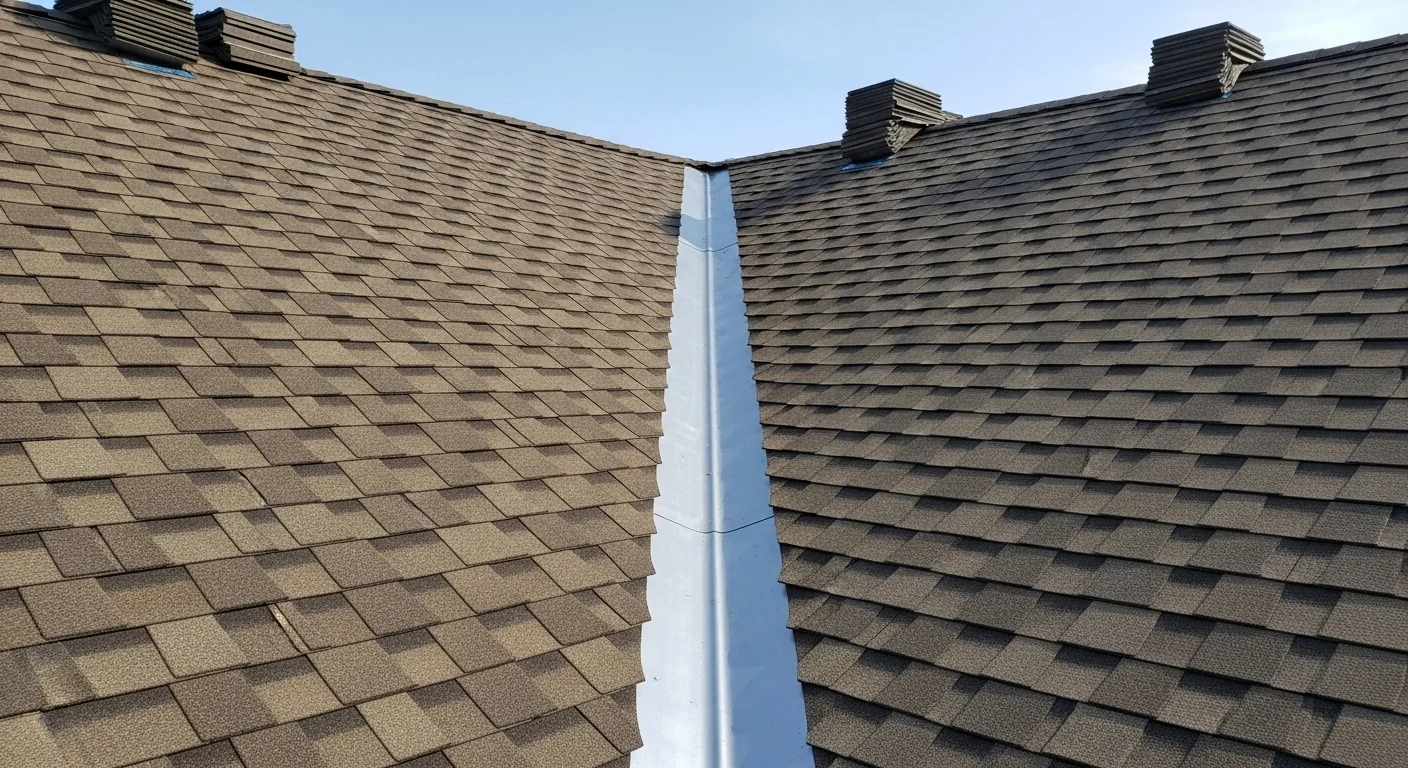
Each flashing piece must overlap correctly and be sealed to guide water safely off the roof.
Sealing and Finish
Once installation is complete, conduct a detailed inspection. Check every fastener, seam, and flashing connection. Replace any damaged screws or misaligned washers.
Apply high-quality metal roofing sealant at penetrations, lap seams, and flashing transitions for added protection. Remove all metal shavings and debris, as these can rust and stain the roof surface over time.
A finished metal roof should appear uniform, clean, and free of exposed gaps or uneven overlaps.
Tools and Materials Checklist
-
Tape measure and chalk line
-
Metal snips or nibblers
-
Power drill with nut driver
-
Sealant gun
-
Safety equipment (gloves, goggles, fall protection harness)
Materials
-
Metal roofing panels
-
Synthetic underlayment or ice-and-water shield
-
Color-matched screws with neoprene washers
-
Foam or rubber closure strips
-
Ridge caps, trim, and flashing
-
Butyl tape or metal roofing sealant
Using high-quality materials ensures better performance, fewer repairs, and longer roof lifespan.
Common Overlap Mistakes and How to Avoid Them
Even experienced installers can make mistakes that compromise roof performance.
Common errors include:
-
Insufficient overlap that allows water penetration
-
Crooked panel alignment creating weak seams
-
Over-tightened fasteners damaging washers
-
Missing closure strips at eaves or ridges
-
Poor flashing installation around penetrations
Avoid these mistakes by following manufacturer guidelines, checking alignment frequently, and performing quality inspections throughout the installation.
Climate Considerations for Panel Overlap
Climate plays a significant role in overlap requirements.
-
High-wind regions: Require tighter fastener spacing and precise overlap
-
Snow-heavy areas: Benefit from longer end laps to prevent ice dam backup
-
Coastal environments: Need corrosion-resistant fasteners and sealants
-
Hot climates: Require allowances for greater thermal expansion
Adapting overlap techniques to local climate conditions improves roof performance and longevity.
Benefits of Professional Overlap Installation
Guaranteed Performance
Professional installers ensure correct spacing, fastening patterns, and sealant placement, resulting in a watertight roof.
Warranty Protection
Most manufacturers require professional installation to maintain warranty coverage. Improper overlap can void warranties entirely.
Enhanced Durability
Correct overlap prevents wind uplift, water intrusion, and thermal stress, extending roof lifespan.
Long-Term Cost Savings
Professional installation reduces maintenance needs, minimizes repair costs, and protects your investment.
Long-Term Maintenance for Overlapped Metal Roofs
Even well-installed metal roofs benefit from periodic inspections. Homeowners should:
-
Inspect fasteners every few years
-
Clear debris from seams and gutters
-
Check sealants at penetrations
-
Address minor issues before they escalate
Proper maintenance ensures overlaps remain effective for decades.
Conclusion
Overlapping metal roofing panels correctly is not just a technical detail—it is the foundation of a durable, weather-resistant, and visually appealing roofing system. Proper overlap ensures water protection, wind resistance, thermal flexibility, and long-term performance.
Working with an experienced contractor like MK Best Roofing ensures every panel is installed with precision and care. Whether you’re installing a new roof or inspecting an existing one, proper overlap is the key to a roof that lasts.
If you’re planning a metal roof installation or need a professional inspection, contact MK Best Roofing today and invest in a roof that delivers strength, beauty, and peace of mind for decades.