For both homeowners and business owners, metal roofing has become a game-changer in modern construction due to its long lifespan, energy efficiency, and excellent value for money. Recent market research indicates that the global metal roofing market is projected to reach approximately $25,800 million by 2031, growing at a CAGR of 5.3% from 2023 to 2031. This growth is driven by increased demand for energy-efficient building materials and eco-friendly construction practices.
Because metal roofing is a long-term investment, understanding the installation process, material options, costs, and accessories is essential. This guide explains everything you need to know about metal roof installation so you can make informed decisions for your next roofing project.
How Roofing Contractors Install Metal Roofing
Metal roofing installation begins with thorough preparation and inspection. Contractors first examine the existing roof deck to identify damaged or weakened sections. Any rot, warping, or structural issues are repaired to ensure the deck is sound and capable of supporting the metal roofing system.
Before installation begins, contractors obtain all required permits in accordance with local building codes. This step ensures compliance and avoids legal or inspection-related delays later in the project.
Once the roof deck is prepared, underlayment is installed to act as a moisture barrier. Along the roof edges, a drip edge is attached to direct water away from the structure, improving drainage and reducing the risk of water damage to the fascia and foundation.
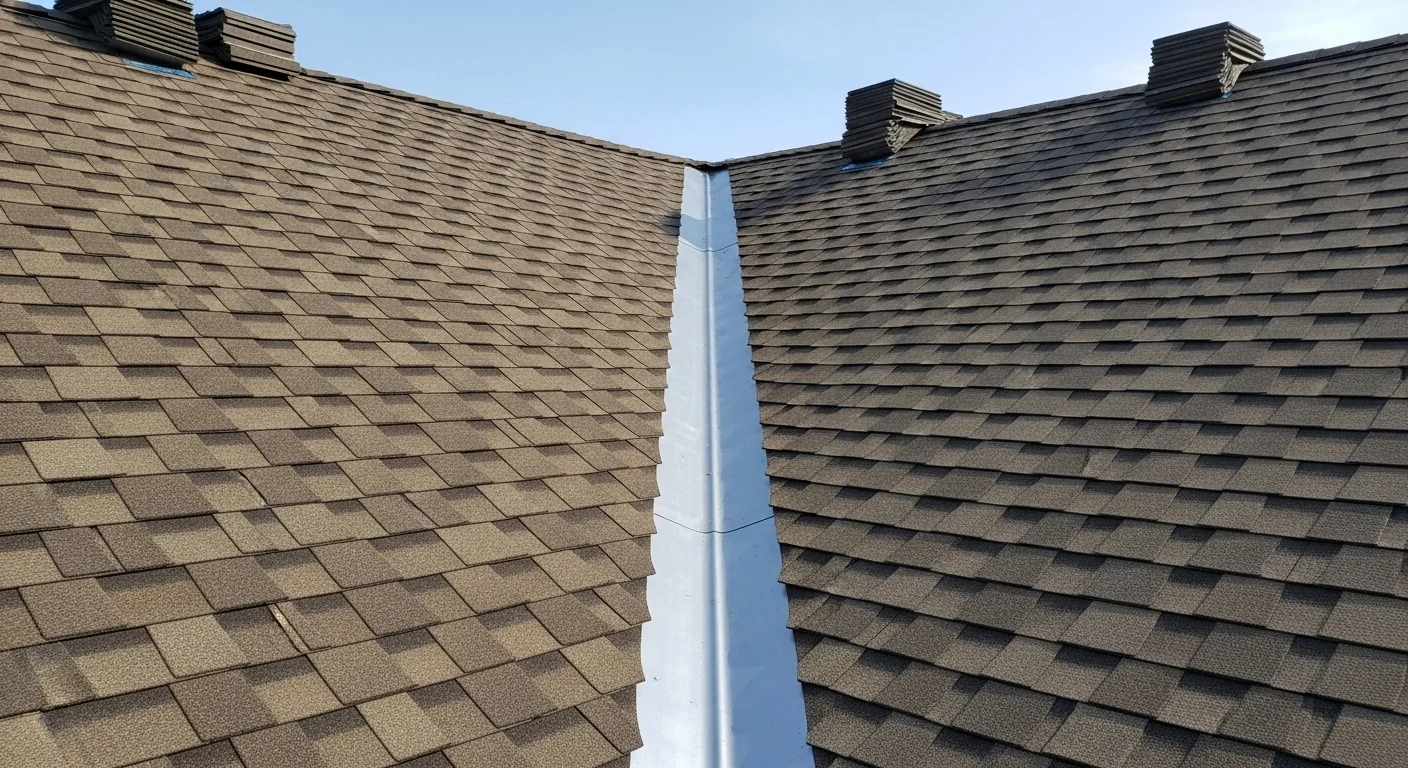
Metal panels are then installed, either directly fastened to the roof deck or secured using clips that allow for thermal movement. This method creates a strong, interlocking surface while accommodating natural expansion and contraction caused by temperature changes. Flashing is installed around roof joints, chimneys, vents, and other penetrations to prevent leaks and ensure watertight protection.
Finally, ridge caps are installed along the roof peak, providing a finished appearance and additional protection against wind and moisture. A final inspection is performed to verify alignment, fastening, and overall installation quality, ensuring the roof is ready to deliver decades of reliable performance.
Types of Metal Roofing
Metal roofing is available in a wide range of styles and materials, each offering different advantages in durability, appearance, and cost.
Corrugated Metal Roof
Corrugated metal roofing features a distinctive wavy pattern and is commonly made from aluminum, steel, or copper. These panels are lightweight, cost-effective, and highly efficient at shedding water. However, because corrugated systems often use exposed fasteners, they may be more prone to leaks over time. As a result, they are commonly used for agricultural buildings, sheds, and industrial structures.
Standing Seam Metal Roofing
Standing seam metal roofing consists of vertical panels with concealed fasteners. This design significantly reduces the risk of leaks and requires minimal maintenance. Standing seam roofs work well for both modern and traditional architectural styles. While the upfront cost is higher, their durability and longevity often justify the investment.
Stone-Coated Metal Roofing
Stone-coated metal roofing uses steel panels coated with stone granules to resemble traditional shingles, tiles, or shakes. These roofs offer excellent durability and visual appeal but are more expensive than basic metal roofing options.
Zinc Roofing
Zinc roofing naturally develops a protective patina over time, which enhances corrosion resistance and longevity. Zinc roofs are known for their durability and low maintenance requirements, but they are costly and less widely available.
Copper Roofing
Copper roofing is extremely resistant to corrosion and develops a distinctive green patina as it ages. While copper roofs are visually striking and highly durable, their high cost makes them less practical for budget-conscious homeowners.
Aluminum Roofing
Aluminum roofing is lightweight, corrosion-resistant, and especially well-suited for coastal areas. It is energy-efficient and environmentally friendly. However, aluminum typically costs more than steel, which may limit its affordability for some homeowners.
Metal Roofing Installation Cost
The cost of installing a metal roof in New York varies based on the type of metal, roof size, and installation complexity. Average installation costs range from $11,200 to $61,300, or approximately $11.30 to $17.50 per square foot. For a typical 1,500-square-foot standing seam metal roof, the average cost is around $21,550.
Material costs vary significantly. Aluminum typically costs between $469 and $1,030 per square, while copper ranges from $1,465 to $2,570 per square. Labor usually accounts for 40–50% of the total project cost, averaging around $9,231 for a standard-sized home.
Although metal roofing has a higher upfront cost compared to asphalt shingles, its lifespan of 20 to 50 years, combined with lower maintenance requirements, often results in long-term savings.
Metal Roof Installation Time Frames
The time required to install a metal roof depends on roof size, complexity, weather conditions, and crew availability. For a medium-sized home, installation typically takes one to three days. Smaller roofs can sometimes be completed in a single day under ideal conditions.
More complex roof designs or larger structures require additional time. Factors such as building height, roof accessibility, and weather interruptions may extend the timeline. Homeowners should plan with flexibility to account for possible delays.
Installing Metal Roof Over Existing Roof
One major advantage of metal roofing is its installation versatility. In many cases, metal roofing can be installed directly over existing roofing materials, reducing labor costs and landfill waste. However, a professional assessment is essential to ensure the existing roof structure can support the added weight and that proper ventilation is maintained.
Metal Roof Over Shingles
When installing metal roofing over asphalt shingles, contractors typically use a specialized underlayment and may install vertical furring strips. This creates an air gap that improves ventilation and prevents moisture from becoming trapped between layers.
Metal Roofing for Sheds
Sheds are ideal candidates for metal roofing due to their simple roof designs. Corrugated metal panels are often the most economical choice, and installation can usually be completed within a few hours.
Metal Roof Over Composite Roofing
Metal roofing can also be installed over composite roofing materials, provided the existing roof is in good condition. Additional structural support may be added to ensure proper performance.
Metal Roof Installation on Flat Roofs
Flat roofs require specialized metal roofing systems designed for superior water resistance. Standing seam or flat-roof-specific panels are installed with extra attention to sealing and waterproofing.
Accessories for Metal Roofs
Several accessories are essential for the durability and performance of a metal roofing system.
Underlayment
Underlayment serves as a protective layer between the roof deck and metal panels. It typically costs $4 to $5.50 per square foot, meaning a 1,700-square-foot roof may require approximately $8,075 installed. Breathable synthetic underlayments are often recommended for optimal performance.
Flashing
Flashing directs water away from roof joints, chimneys, and vents. It typically costs $1 to $3 per linear foot, with installation adding $1,000 to $2,000 to the total project cost.
Fasteners
Fasteners secure metal panels to the roof structure and are critical for stability. Prices range from $0.10 to $0.50 per fastener, with total costs between $200 and $500 for an average roof.
Ridge Caps
Ridge caps seal the roof peak and enhance aesthetics. They typically cost $3 to $5 per linear foot, resulting in $120 to $200 for a 40-foot ridge.
Additional Accessories
Additional components may include gutter systems and roof ventilation. Gutters typically cost $5 to $15 per linear foot, while ventilation systems range from $300 to $800, depending on type and complexity.
Conclusion
Metal roofing is a long-term investment that offers durability, energy efficiency, and strong protection against harsh weather conditions. However, the performance of a metal roof depends not only on the panels themselves but also on proper installation, quality materials, and the supporting components used throughout the system. From selecting the right type of metal roofing to understanding installation methods, costs, and essential accessories, every detail plays a role in ensuring long-lasting performance. With professional installation and regular maintenance, a properly installed metal roof can provide reliable protection, lower maintenance costs, and lasting value for both residential and commercial properties.