One of the most common and persistent concerns homeowners raise when researching roofing options is whether metal roofs attract lightning. The concern is understandable. Metal conducts electricity, lightning is electrical, and the assumption feels logical at first glance. According to the National Lightning Safety Institute, the average odds of a specific home being struck by lightning in any given year are about one in 200. Despite this relatively low probability, fear around lightning strikes continues to influence roofing decisions, often based on myths rather than science.
The belief that metal roofs attract lightning has been repeated for decades, even though modern building science has consistently proven otherwise. In reality, the material used on a roof has very little to do with whether lightning strikes a structure. To fully understand why metal roofs are not more dangerous during thunderstorms, it is important to understand how lightning forms, what it is actually attracted to, and how buildings are designed to safely handle electrical energy.
This guide explains lightning behavior, addresses common misconceptions about metal roofing, and provides a detailed, fact-based explanation of why metal roofs are not only safe during storms but can actually offer advantages over traditional roofing materials.
Understanding Lightning and How It Behaves
Lightning is a naturally occurring electrical discharge that takes place during thunderstorms. It forms when electrical charges build up within storm clouds or between clouds and the ground. As these charges accumulate, they create an increasingly strong electric field. When the electric field becomes strong enough to overcome the insulating properties of air, a lightning bolt forms.
A single lightning strike is incredibly powerful. The electrical current in a lightning bolt typically ranges between 15,000 and 30,000 amperes and can travel distances of up to five miles. Despite its strength, lightning follows predictable physical rules.
Lightning seeks the path of least resistance between the cloud and the ground. It is drawn to points where the electrical potential difference is highest. This is why lightning often strikes tall objects such as trees, towers, utility poles, and high buildings. Height, isolation, and location are far more influential factors than the material used on a roof.
Another important point is that lightning does not randomly “hunt” for metal objects. Instead, it follows electrical fields that form naturally due to atmospheric conditions. Conductive materials only matter after a strike occurs, not before.
Do Metal Roofs Attract Lightning?
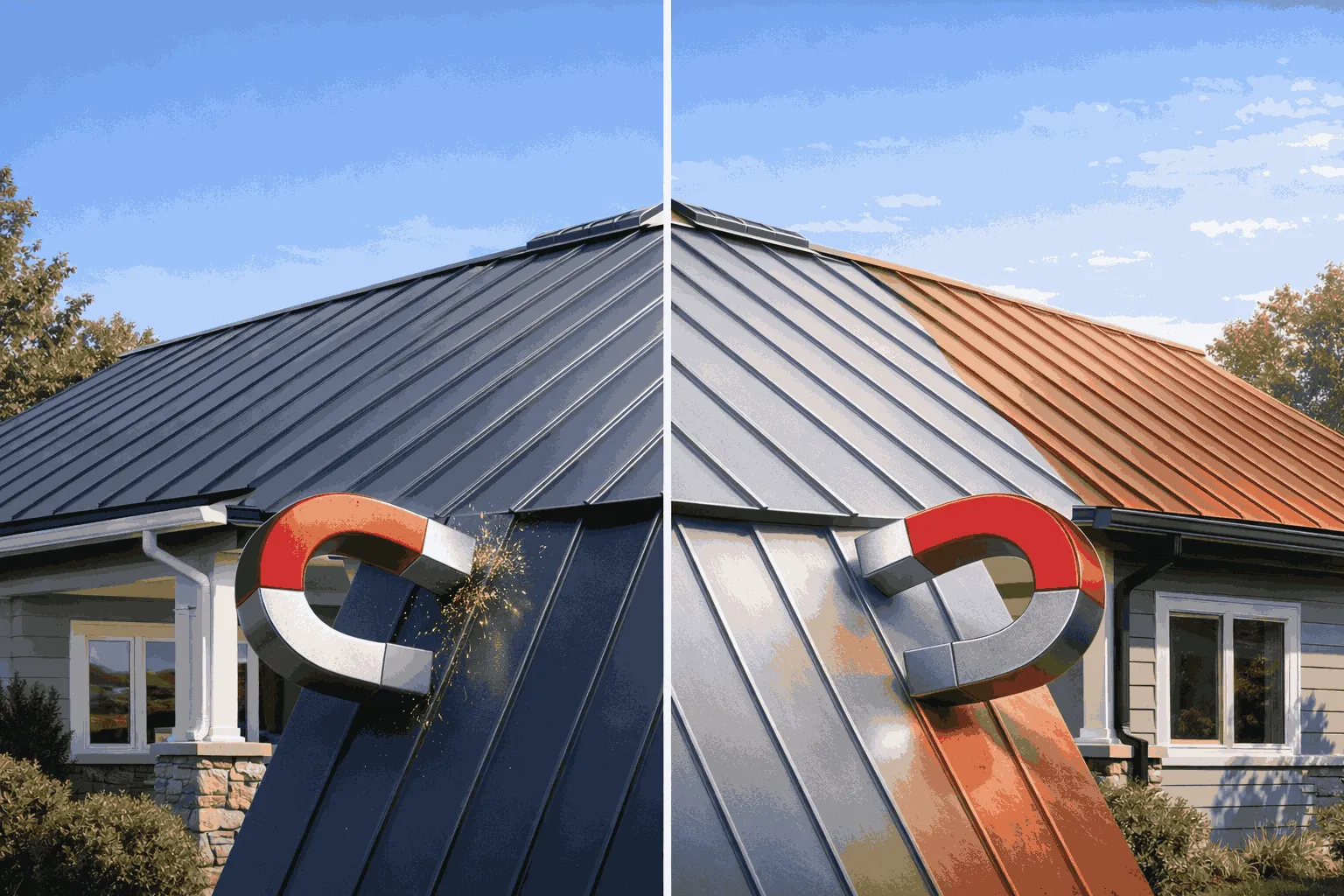
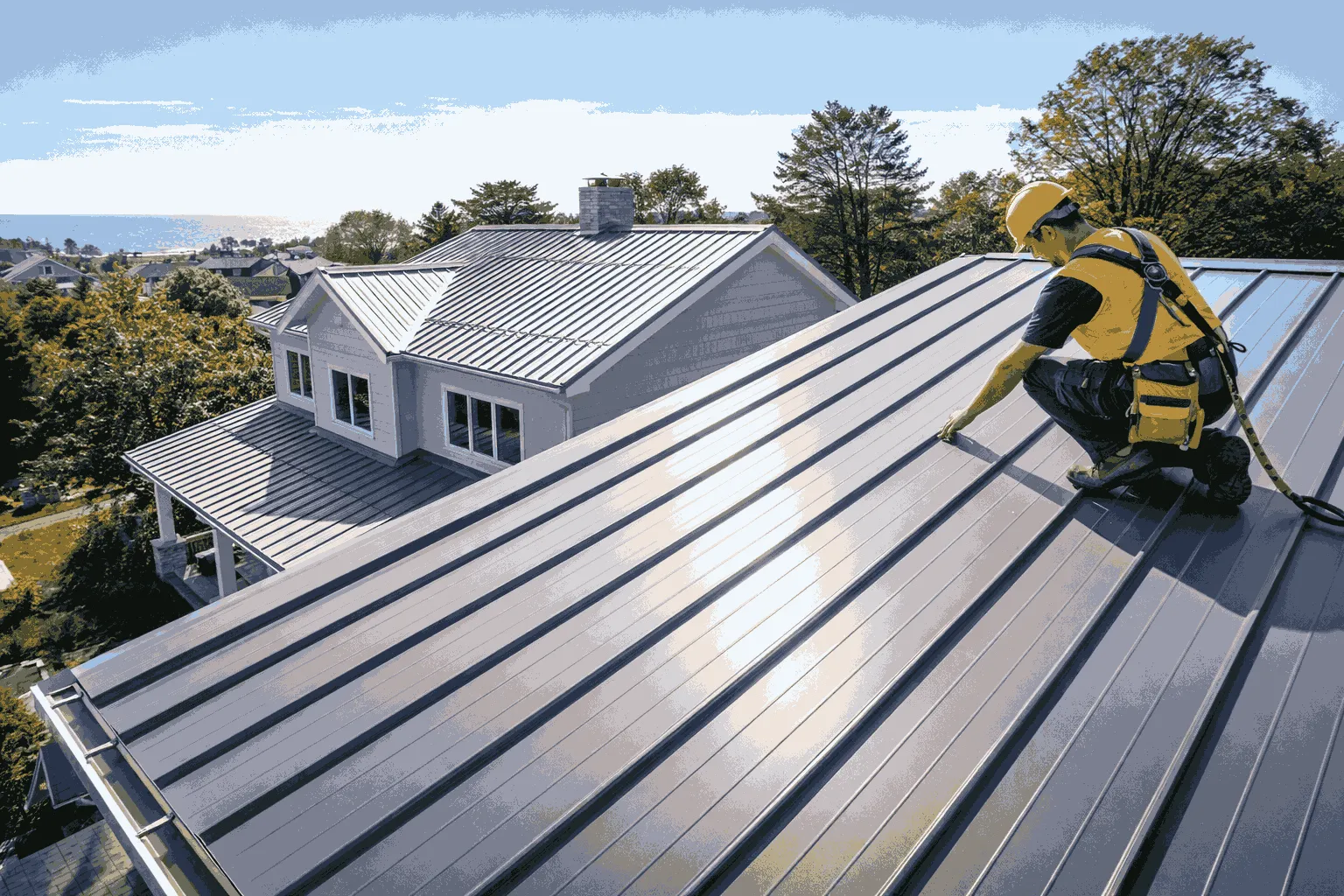
The idea that metal roofs attract lightning is incorrect. A metal roof does not increase the likelihood of a building being struck. Lightning strikes are determined by a structure’s height, shape, and location relative to surrounding objects, not by whether the roof is metal, asphalt, wood, or tile.
A house with a metal roof is no more likely to be struck by lightning than a house with shingles. In fact, a shorter home with a metal roof located among taller trees or buildings is less likely to be struck than a taller home with a non-metal roof.
Where metal does make a difference is what happens after a lightning strike occurs. Unlike combustible materials such as wood shakes or asphalt shingles, metal does not ignite. This significantly reduces fire risk during a lightning event.
Additionally, metal roofing systems can be integrated into grounding and lightning protection systems that safely direct electrical energy into the ground, minimizing structural damage.
Why Height and Location Matter More Than Roofing Material
Lightning is influenced primarily by geometry and geography. Tall, isolated structures are more likely to be struck because they shorten the distance lightning must travel to reach the ground. This is why lightning frequently hits radio towers, tall trees in open fields, and high-rise buildings.
Roofs made from non-conductive materials do not repel lightning, and roofs made from conductive materials do not attract it. The electrical field forms based on atmospheric conditions, not roof composition.
This distinction is critical because it explains why replacing a roof with metal does not change a building’s lightning risk. The same structure in the same location remains subject to the same lightning probability regardless of roofing material.
Metal Roofs and Lightning: Myths Versus Facts
Many misconceptions about metal roofing and lightning persist simply because they sound reasonable. Breaking these myths down one by one helps clarify what actually happens during thunderstorms.
Myth: Metal Roofs Attract Lightning
Fact: Metal roofs do not attract lightning. Lightning strikes are based on height, location, and electrical fields, not roofing materials.
Myth: Conductivity Makes Metal Roofs Dangerous
Fact: Conductivity does not increase the chance of being struck. Instead, it allows electrical energy to be safely distributed if a strike occurs. Metal roofing does not burn and does not trap heat from a lightning strike.
Myth: Lightning Rods Attract Lightning
Fact: Lightning rods do not attract lightning. They provide a controlled path for electrical energy to travel safely to the ground, reducing damage if a strike occurs.
Myth: Metal Roofs Are Unsafe During Storms
Fact: Metal roofs are safer than many traditional materials because they do not ignite and can help dissipate electrical energy.
Myth: Grounding Is Optional
Fact: Proper grounding is essential for all structures, regardless of roof type. Grounding systems help protect electrical systems and reduce fire risk.
The Reality of Conductivity During a Lightning Strike
Conductivity often gets misunderstood. Conductive materials do not pull lightning toward them, but they do influence how energy behaves after contact.
When lightning strikes a building with a metal roof, the metal surface helps spread the electrical energy across a wider area. This reduces concentrated heat and minimizes damage. In contrast, non-metal roofs can trap heat, ignite, or suffer localized damage.
Metal roofs are also compatible with lightning protection systems that include rods, conductors, and grounding electrodes. These systems create a safe, controlled pathway for electrical energy to move into the earth.
Another major benefit of metal roofing is fire resistance. Metal does not burn, melt, or ignite under lightning conditions, dramatically lowering the risk of house fires compared to combustible roofing materials.
Advantages of Metal Roofs During Thunderstorms
Metal roofs offer several benefits that become especially important during severe weather.
First, their non-combustible nature makes them significantly safer during lightning events. Fires caused by lightning strikes are far less likely on metal roofs than on wood or asphalt roofs.
Second, metal roofs shed water efficiently. Their smooth surfaces prevent water accumulation, reducing the risk of leaks during heavy rainfall.
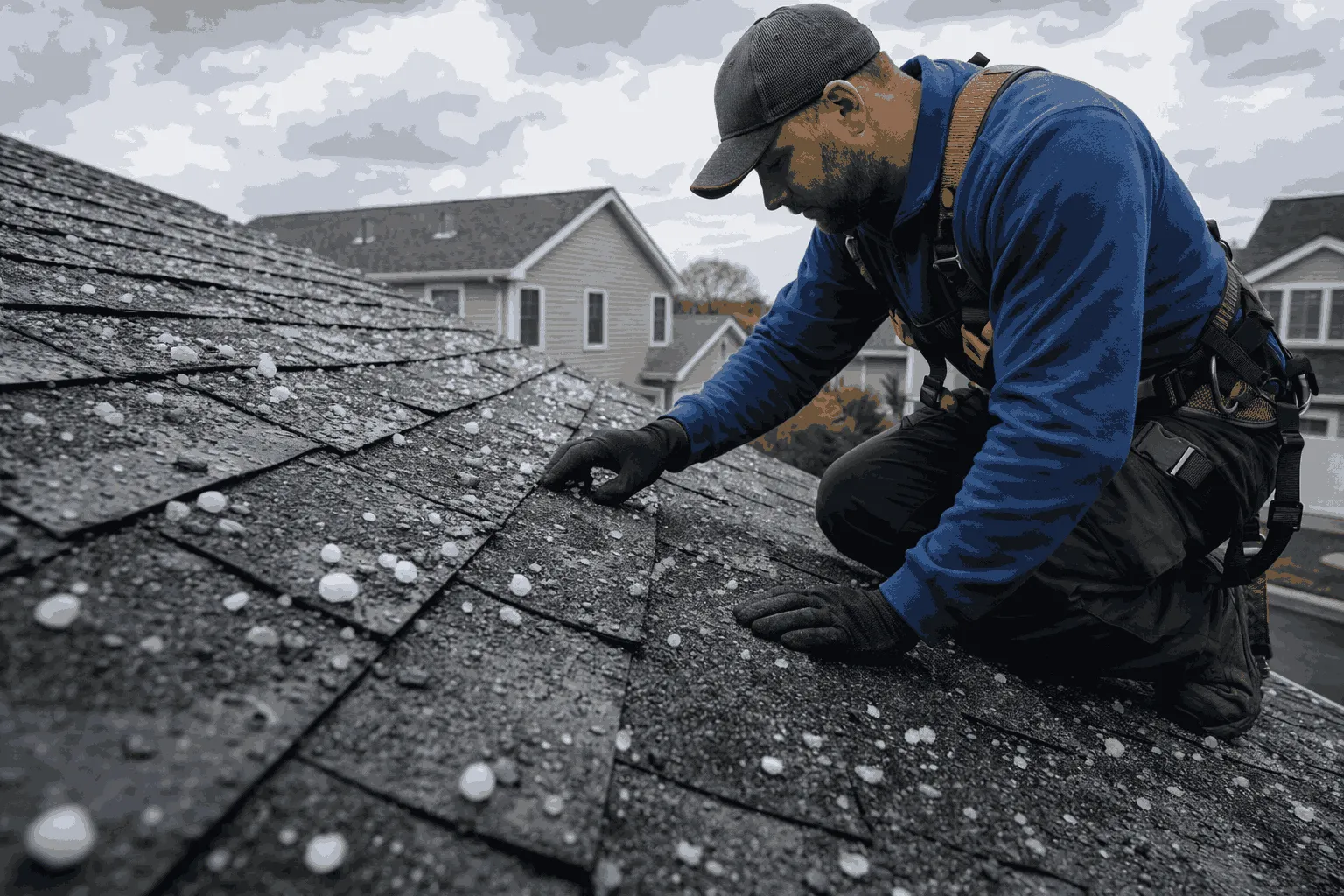
Third, metal roofs are often more resistant to hail and wind damage. Properly installed systems can withstand severe storms that would damage or destroy traditional roofing materials.
These advantages explain why metal roofing is often used on commercial buildings, industrial facilities, and structures in storm-prone regions.
Metal Roofing Safety Considerations
While metal roofs perform well during storms, proper installation and safety planning are essential to maximize protection.
Installation Standards and Best Practices
Metal roofing systems must be installed according to manufacturer specifications and local building codes. Proper fasteners, correct panel overlap, and appropriate underlayment are critical to long-term performance.
Mixing incompatible metals, such as aluminum and steel without proper separation, should be avoided to prevent corrosion. Following guidelines from organizations like the Metal Roofing Alliance helps ensure durability and safety.
The Importance of Grounding
Grounding plays a crucial role in lightning protection. While a metal roof does not increase lightning risk, grounding systems help safely redirect electrical energy away from the structure.
A complete lightning protection system includes air terminals, conductors, and grounding electrodes. These components work together to protect the building and its electrical systems from damage.
Professional installation of grounding and lightning protection systems is essential. Improper grounding can increase risk rather than reduce it.
Insurance, Ratings, and Financial Considerations
Metal roofs often receive high ratings for fire resistance and impact resistance. These ratings can influence insurance premiums, with many insurers offering lower rates for homes with metal roofing.
Reduced risk of fire and storm damage translates to fewer claims, which insurers reward through discounts. Homeowners should check safety ratings and certifications before installation to ensure maximum benefit.
Insurance savings, combined with long lifespan and reduced maintenance, contribute to the long-term value of metal roofing systems.
Addressing Common Homeowner Concerns
Homeowners often worry that metal roofs make their homes more vulnerable during storms. In reality, metal roofs provide additional protection rather than added risk.
Metal roofs do not make homes easier targets for lightning. They do not increase strike frequency. Instead, they offer fire resistance, durability, and compatibility with safety systems that traditional roofs lack.
When properly installed and grounded, metal roofs are among the safest roofing options available in thunderstorm-prone areas.
Conclusion
The belief that metal roofs attract lightning is a myth rooted in misunderstanding, not science. Lightning strikes are influenced by location, height, and atmospheric conditions, not roofing materials. Metal roofs do not increase the risk of being struck and often perform better than traditional roofs when lightning occurs.
Metal roofing offers fire resistance, durability, storm resilience, and long-term value. When combined with proper grounding and professional installation, metal roofs provide a safe and reliable solution for homeowners concerned about severe weather.
Choosing a roof should be based on facts rather than fear. Metal roofs are not only safe during lightning storms, they are often the smarter choice.