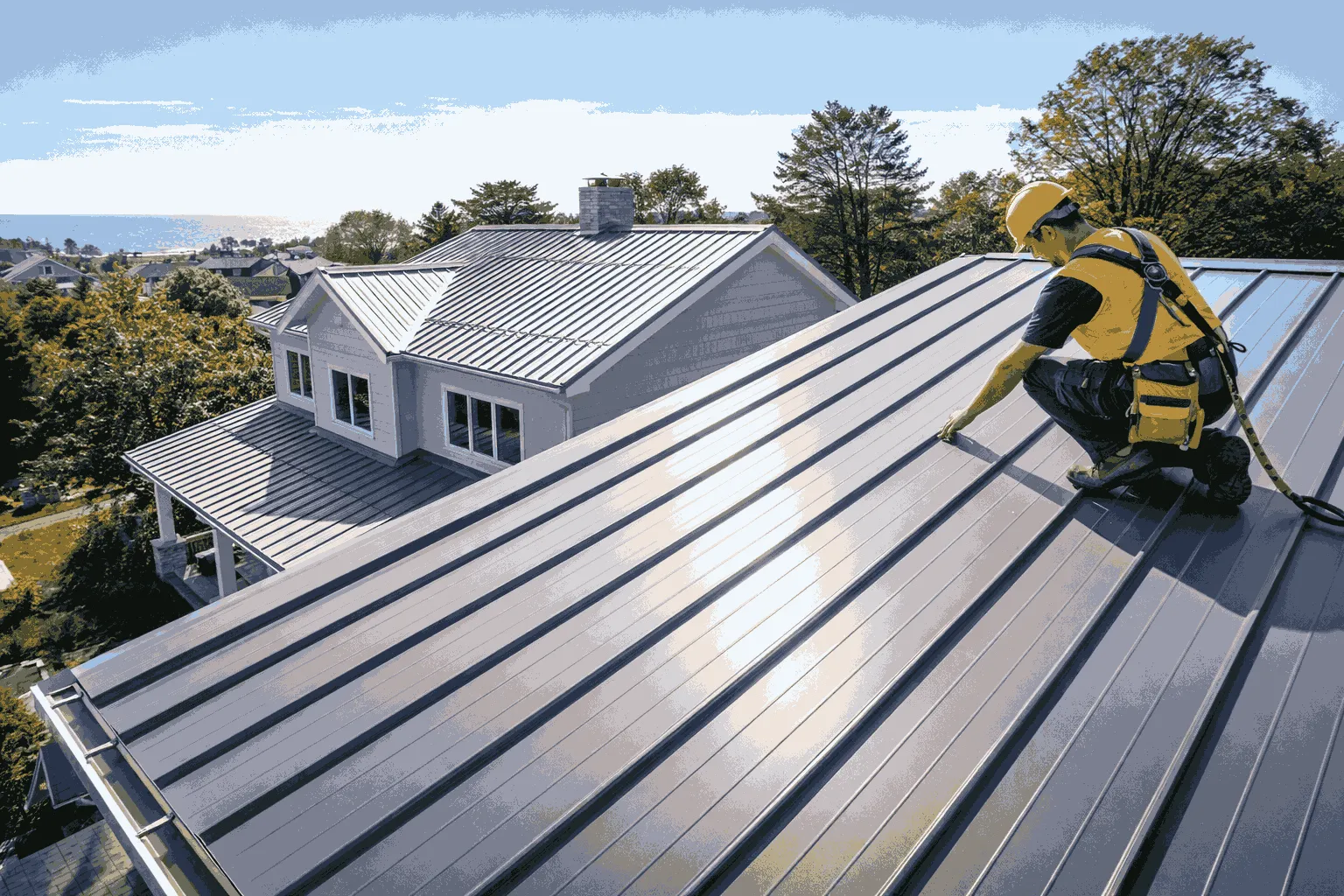
Black metal roofs are everywhere right now. From modern new builds to renovated farmhouses and high-end suburban homes, the trend is unmistakable. The sharp contrast, clean lines, and bold presence of a black roof can dramatically change how a house looks. But visual appeal alone is not a reason to choose a roofing system that will sit on your home for decades.
What most homeowners struggle with is separating appearance from performance. A black metal roof can look incredible, but questions immediately follow. Will it make the house hotter? Will energy bills increase? Is the higher price justified? Will the color fade? And is it actually practical in real-world conditions, not just marketing photos?
This blog breaks down black metal roofing without exaggeration. It looks at cost, durability, energy behavior, climate considerations, maintenance realities, and long-term value so you can decide whether this roofing option actually makes sense for your home.
Aesthetic Appeal of Black Metal Roofs
The reason most homeowners initially consider a black metal roof is visual impact. Black creates contrast. It sharpens rooflines and adds definition that lighter colors often lack. On modern homes, black metal roofs reinforce clean geometry and minimalist design. On traditional homes, they can create a striking balance between old and new.
Black is also unusually versatile. It pairs well with white, gray, beige, natural wood, brick, stone, and even darker exterior finishes. This flexibility makes it easier to update siding, trim, or landscaping later without clashing with the roof.
Another overlooked benefit is how black metal roofs age visually. Dirt, pollen, and minor surface dust are less noticeable than on light-colored roofs. While all roofs collect debris, black hides minor cosmetic issues better, allowing the roof to look cleaner for longer between washings.
That said, visual appeal should never be the sole deciding factor. Once the novelty of appearance wears off, performance, comfort, and cost become far more important.
Cost of a Black Metal Roof
Cost is where many homeowners hesitate, and understandably so. In markets like New York, black metal roofing typically ranges from $6 to $12 per square foot. The final number depends on several factors, including the metal type, panel style, coating quality, roof complexity, and labor rates.
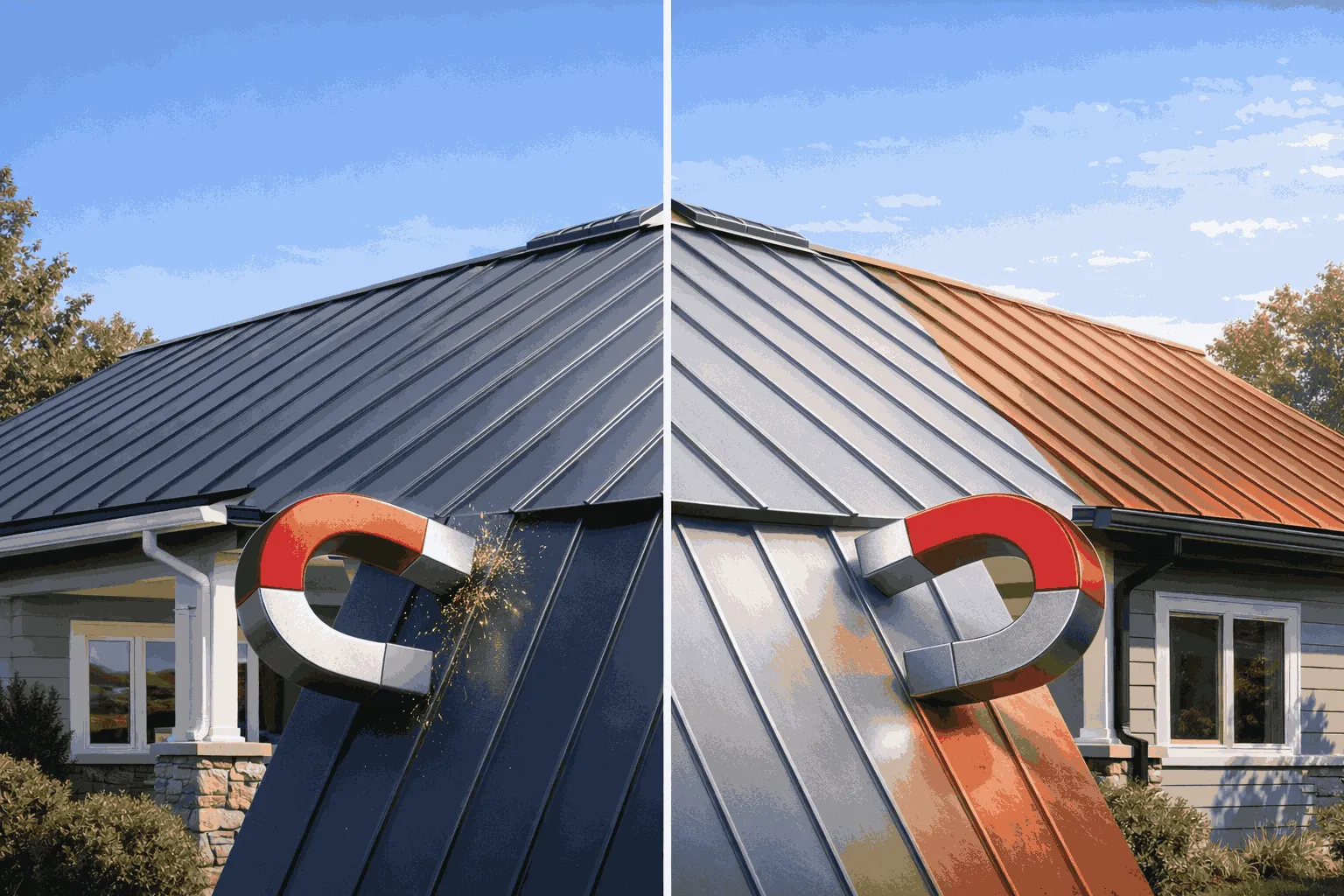
Steel and aluminum are the most common materials. Steel is structurally strong and generally more affordable, while aluminum costs more but offers superior corrosion resistance, especially in coastal or humid environments. Copper is sometimes mentioned but rarely chosen for full roofing systems due to its high price.
Compared to asphalt shingles, which often cost between $3 and $5 per square foot, black metal roofing is a significant upfront investment. However, this comparison is incomplete if lifespan is ignored. Asphalt roofs usually need replacement every 20 to 30 years. Metal roofs often last 40 to 70 years or longer with proper care.
When replacement cycles, disposal costs, repairs, and potential energy savings are factored in, the long-term cost difference narrows significantly. In many cases, homeowners who plan to stay in their homes long-term find metal roofing to be financially practical rather than excessive.
Why Homeowners Consider the Pros Before Anything Else
Once the price is understood, most homeowners shift their attention to what they are actually getting in return. A black metal roof is not just a color choice; it is a structural and performance decision. The real value lies in how the roof behaves over time, not just how it looks on installation day.
Understanding the advantages clearly helps balance the emotional appeal of the design with the practical realities of ownership.
Durability and Longevity
Durability is the strongest argument in favor of black metal roofing. Metal roofs are engineered to withstand conditions that quickly degrade traditional roofing materials. They do not crack, rot, or absorb moisture. They are resistant to mold, mildew, and insect damage.
A properly installed metal roof can last between 40 and 70 years. In many cases, the metal itself outlasts the coatings applied to it. This longevity drastically reduces the likelihood of needing full roof replacement within a homeowner’s lifetime.
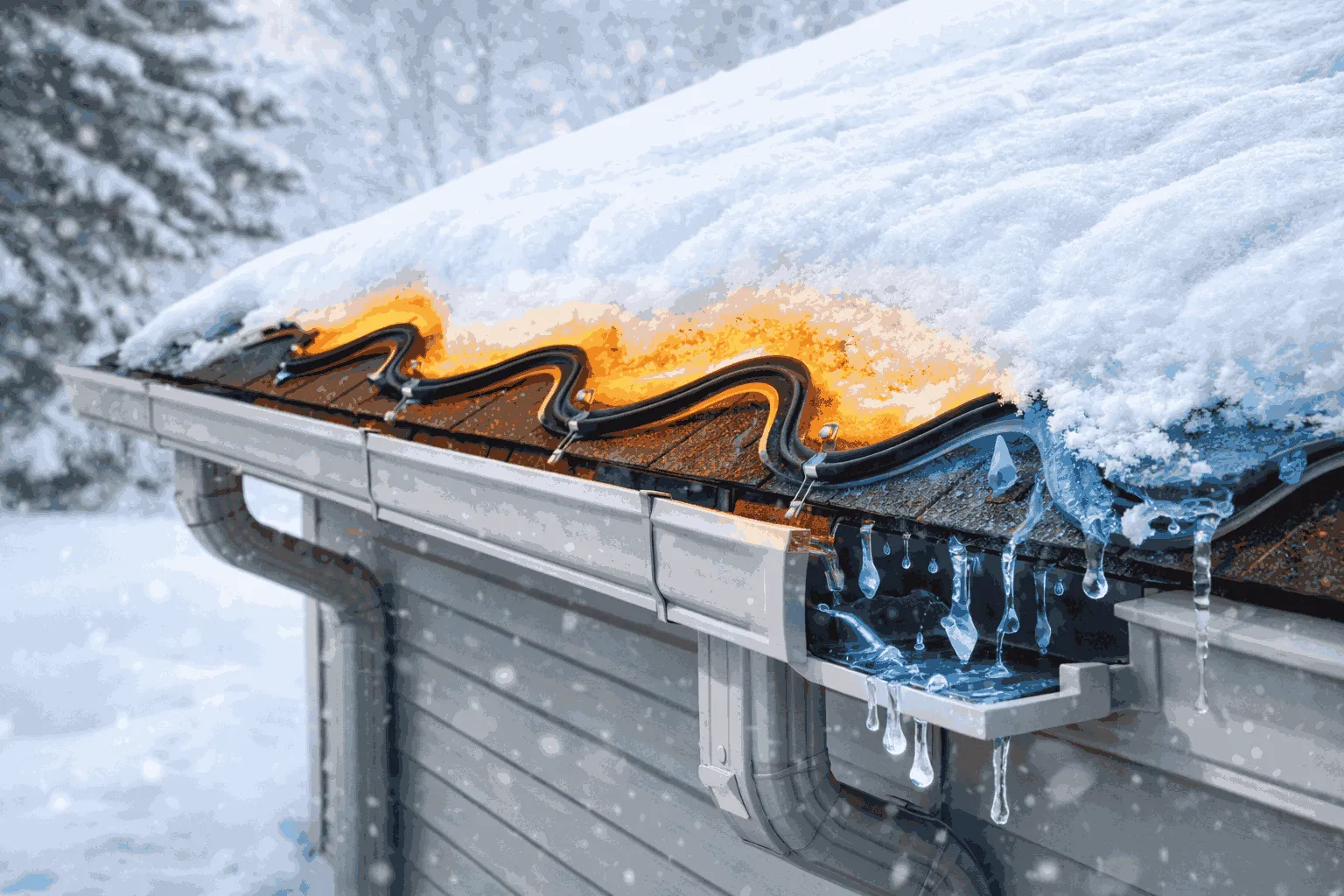
Black metal roofs also perform well under snow loads, high winds, and heavy rain. The smooth surface allows snow to slide off more easily, reducing ice dam formation when ventilation and insulation are adequate.
Modern Aesthetic Appeal Beyond Trends
While black roofs are currently fashionable, their appeal goes deeper than trend cycles. The uniformity of metal panels creates a cleaner, more deliberate look than shingles, which can appear patchy over time.
Black metal roofing also adds perceived value. Homes with metal roofs often signal quality construction and long-term investment. This perception can positively influence resale value, especially in competitive markets where buyers are increasingly conscious of durability and energy efficiency.
Energy Efficiency and Heat Reality
Energy efficiency is where confusion often starts. Black absorbs heat, That fact does not change. However, modern black metal roofs behave very differently from older dark roofing systems.
Today’s metal roofs use reflective pigments and advanced coatings that reflect a significant portion of solar radiation. Even dark-colored metal roofs can meet cool roof standards when properly coated.
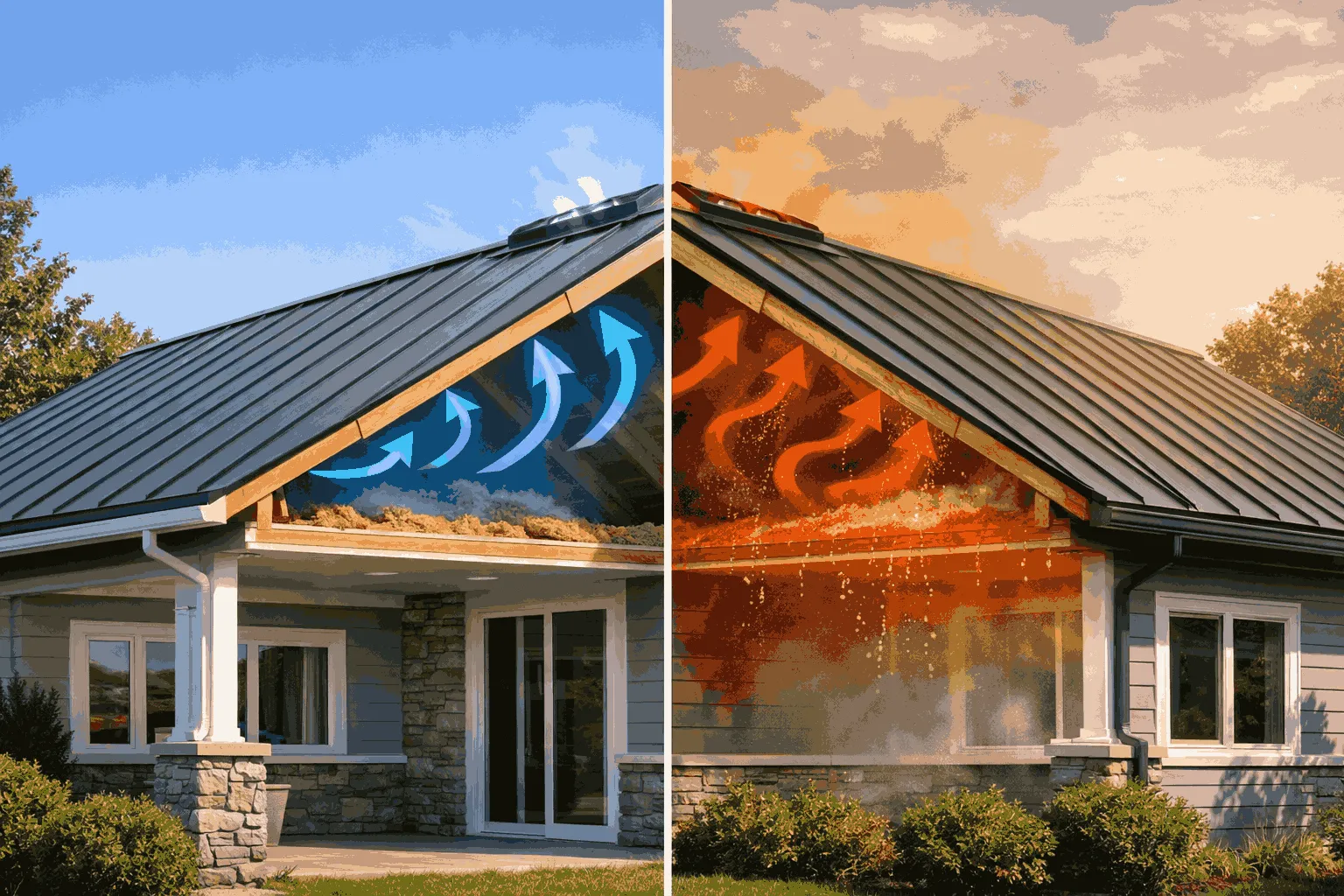
More importantly, roof color is only one factor in energy performance. Attic insulation, ventilation, roof assembly design, and air sealing play a larger role in indoor comfort than color alone. A well-designed black metal roof system can perform just as efficiently as lighter-colored roofs when these elements are addressed correctly.
Fire Resistance and Safety Benefits
Metal roofs are non-combustible and carry a Class A fire rating. They do not ignite from airborne embers, which makes them an excellent choice in wildfire-prone regions.
This fire resistance can also lower insurance premiums in some areas. While savings vary, insurers often view metal roofs as lower-risk compared to wood shakes or asphalt shingles.
Why the Drawbacks Matter Just as Much
Ignoring disadvantages leads to regret. Black metal roofs are not ideal for every home, every climate, or every homeowner. Understanding limitations upfront prevents unrealistic expectations and costly mistakes.
Heat Absorption in Extreme Climates
Even with modern coatings, black roofs still absorb more heat than lighter colors. In extremely hot regions, this can increase cooling demand if insulation and ventilation are inadequate.
Homes in hot climates must pair black metal roofing with high-performance insulation, radiant barriers, and proper airflow. Without these measures, energy bills can rise during peak summer months.
Color Fading Over Time
Black metal roofs can fade gradually due to prolonged UV exposure. High-quality coatings slow this process significantly, but no finish is immune to aging.
Premium PVDF coatings retain color far better than standard polyester finishes. Choosing a higher-quality coating upfront reduces visible fading and maintains appearance longer.
Noise Concerns
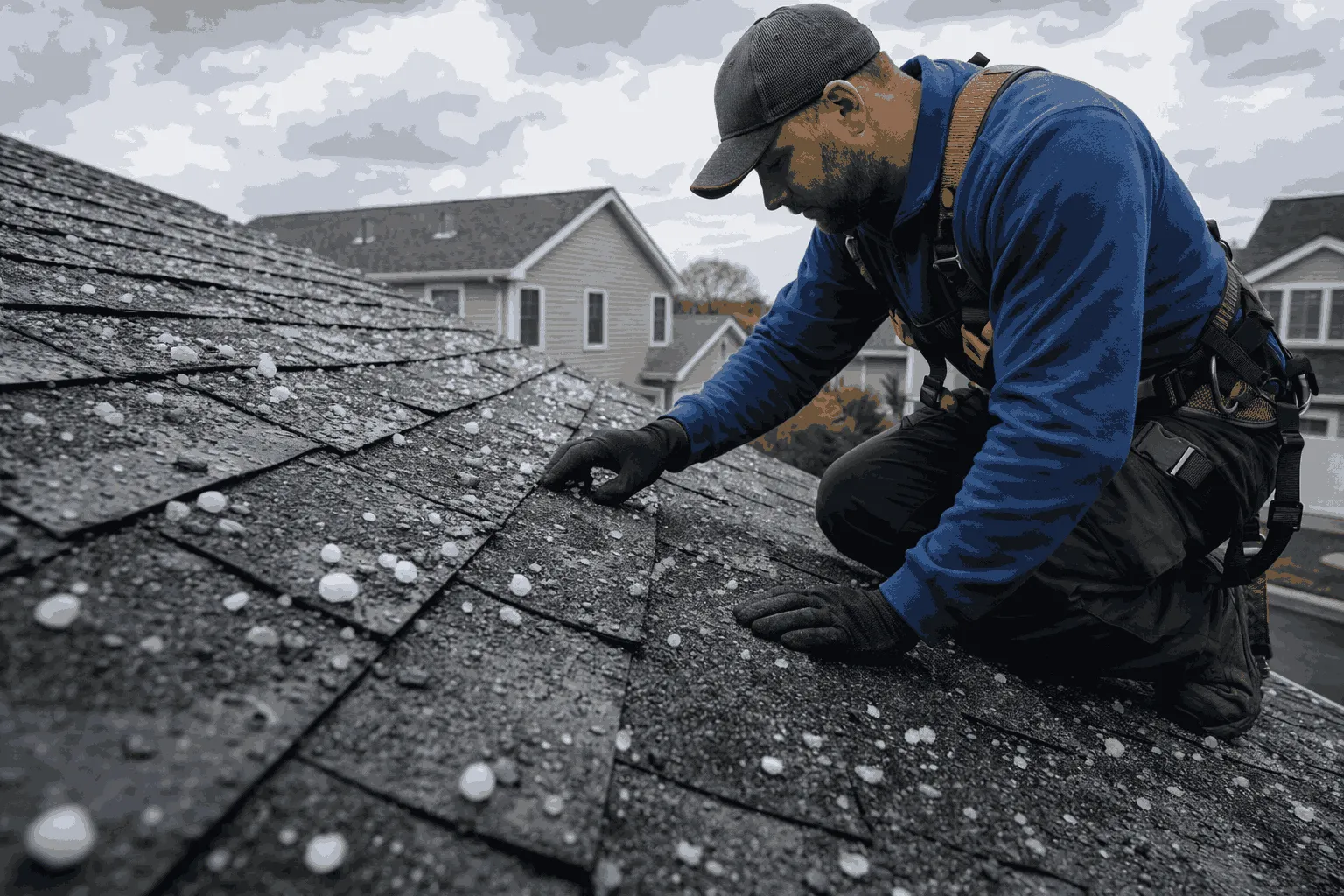
Metal roofs can amplify sound during heavy rain or hail if installed over open framing. This issue is often overstated but can be noticeable in poorly insulated structures.
Solid decking, underlayment, and attic insulation greatly reduce noise. In well-built homes, sound differences compared to shingles are minimal.
Maintenance Responsibilities
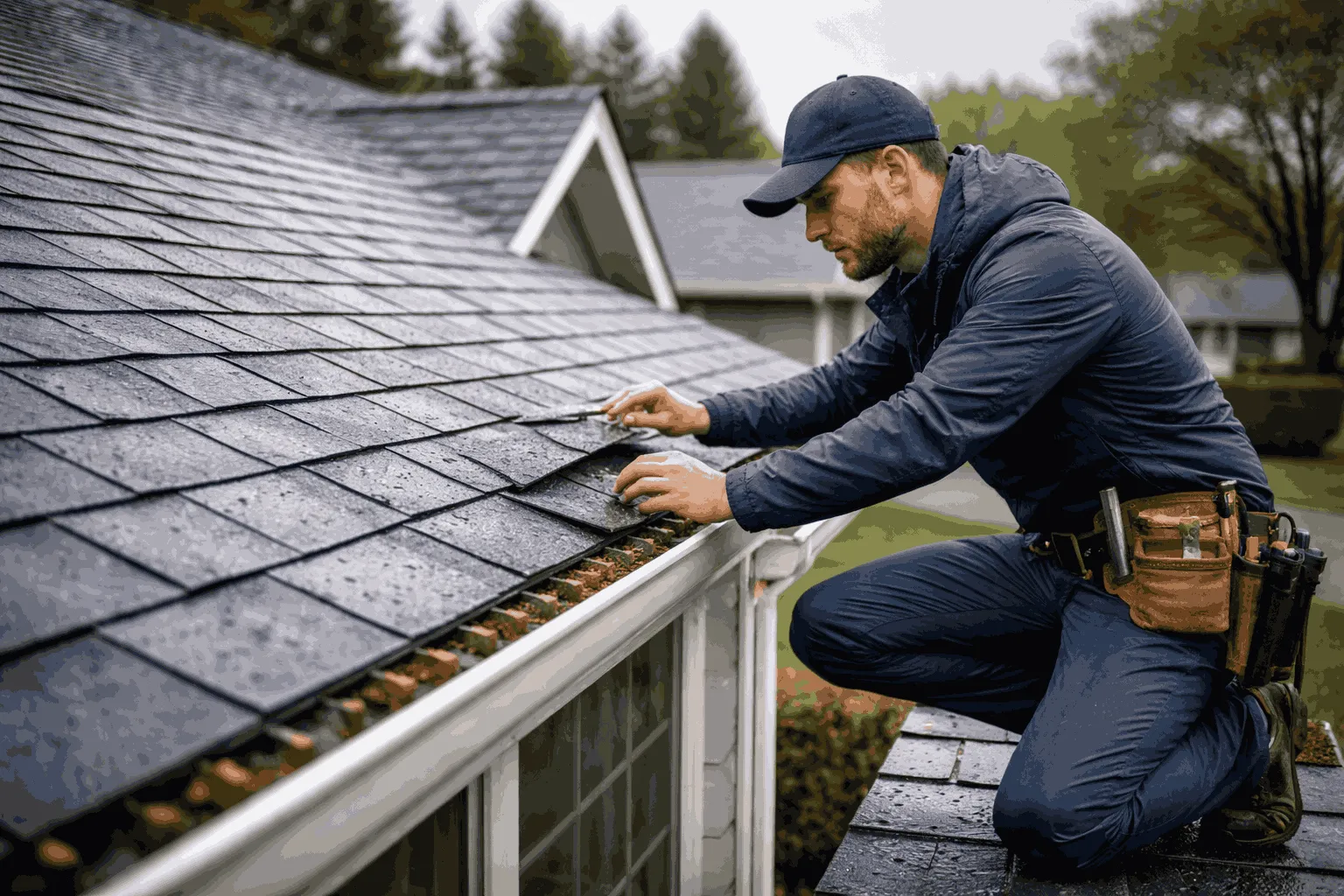
Metal roofs are low maintenance, not no maintenance. Fasteners should be inspected periodically. Sealants should be checked. Scratches should be addressed to prevent corrosion.
Routine inspections every few years help catch minor issues before they become expensive repairs.
Factors to Consider Before Installing a Black Metal Roof
A black metal roof should never be chosen in isolation from climate, architecture, and long-term goals. These factors determine whether the roof enhances or complicates homeownership.
Climate and Weather Patterns
In colder climates, black roofs can help melt snow and ice faster, reducing ice dam risk. In warmer climates, heat management becomes critical.
Understanding your regional climate is essential before committing to a dark roofing system.
Energy Costs and Environmental Impact
Modern reflective coatings and insulation systems significantly improve energy performance. Metal roofs are also environmentally responsible, as they are often made from recycled materials and are fully recyclable at the end of their lifespan.
Their long service life reduces landfill waste compared to short-lived roofing materials.
Architectural Compatibility
Black metal roofs complement modern, farmhouse, industrial, and transitional designs exceptionally well. For traditional homes, careful coordination with siding and trim is essential to avoid visual imbalance.
When chosen thoughtfully, black roofing can elevate architectural character rather than overpower it.
Conclusion
A black metal roof is not just a design decision. It is a long-term investment that affects comfort, energy use, maintenance, and home value. When properly designed, installed, and maintained, it offers durability, safety, and visual impact that few roofing systems can match.
However, success depends on understanding both advantages and limitations. Climate, insulation, coatings, and installation quality determine whether a black metal roof becomes an asset or a regret.
For homeowners willing to plan carefully and invest wisely, black metal roofing can be a powerful combination of performance and style that lasts for decades.