Have you ever noticed those little colored grains in your gutters or on the ground after a storm? Those are the granules from your roof shingles! This is one of the most common occurrences with any roof over some time. It may appear insignificant, but these minute particles do an important job in protecting the roof from damage due to various weather conditions. They help in reflecting UV rays, preventing water from seeping through the shingles, thereby multitasking. When these granules begin to disappear, here is the time to go into action to keep the roof in tip-top condition without having to replace expensive shingles.
What many homeowners do not realize is that granules are intentionally embedded into asphalt shingles during manufacturing. They are not decorative; they are functional. These granules form the outermost protective barrier of the roof and absorb the majority of environmental stress before it ever reaches the asphalt base. When this layer begins to wear away, the roof slowly becomes vulnerable even if leaks are not immediately visible.
Over time, ignoring granule loss can allow small issues to develop into larger roofing problems. This is why understanding granular loss early is critical for extending the lifespan of your roof and maintaining its overall performance.
What Is Granular Loss on Roofs
Granular loss on the roof is a normal wear-and-tear process in which the little mineral particles covering the asphalt shingles fall off. These granules protect the shingles from UV rays, weather elements that may cause impact, and add fire resistance. And when these start to disappear, it acts like an indication that your roof needs attention.
Granules also help regulate roof temperature by reducing heat absorption. When shingles lose granules, they begin to retain more heat, which can accelerate aging and cause the asphalt to dry out faster than intended. This process weakens shingles from the surface downward.
Granular loss can make your shingles appear patchy and sometimes bald, exposing the underlying asphalt, which may have extremely severe consequences. If it were left this way, it could really shorten the lifespan of your roof and result in leaks or other costly issues.
In advanced stages, granule loss may expose fiberglass mats within the shingles, signaling that the roof is nearing the end of its service life. At that point, repairs may no longer be effective, and replacement becomes unavoidable.
Causes of Granular Loss
The causes of granular loss may be due to many different factors, and finding the root of the cause is essential for effective resolution. Here is what you might face:
Weathering Over Time
Everything in life ages, and so does your roof! With time, exposure to elements like sun, rain, wind, and snow naturally wears down shingles. This can lead to gradual granule shedding, especially in older roofs.
Daily thermal expansion and contraction also contribute to this process. As shingles heat up during the day and cool at night, the constant movement slowly loosens the granules embedded in the asphalt.
Severe Weather Conditions
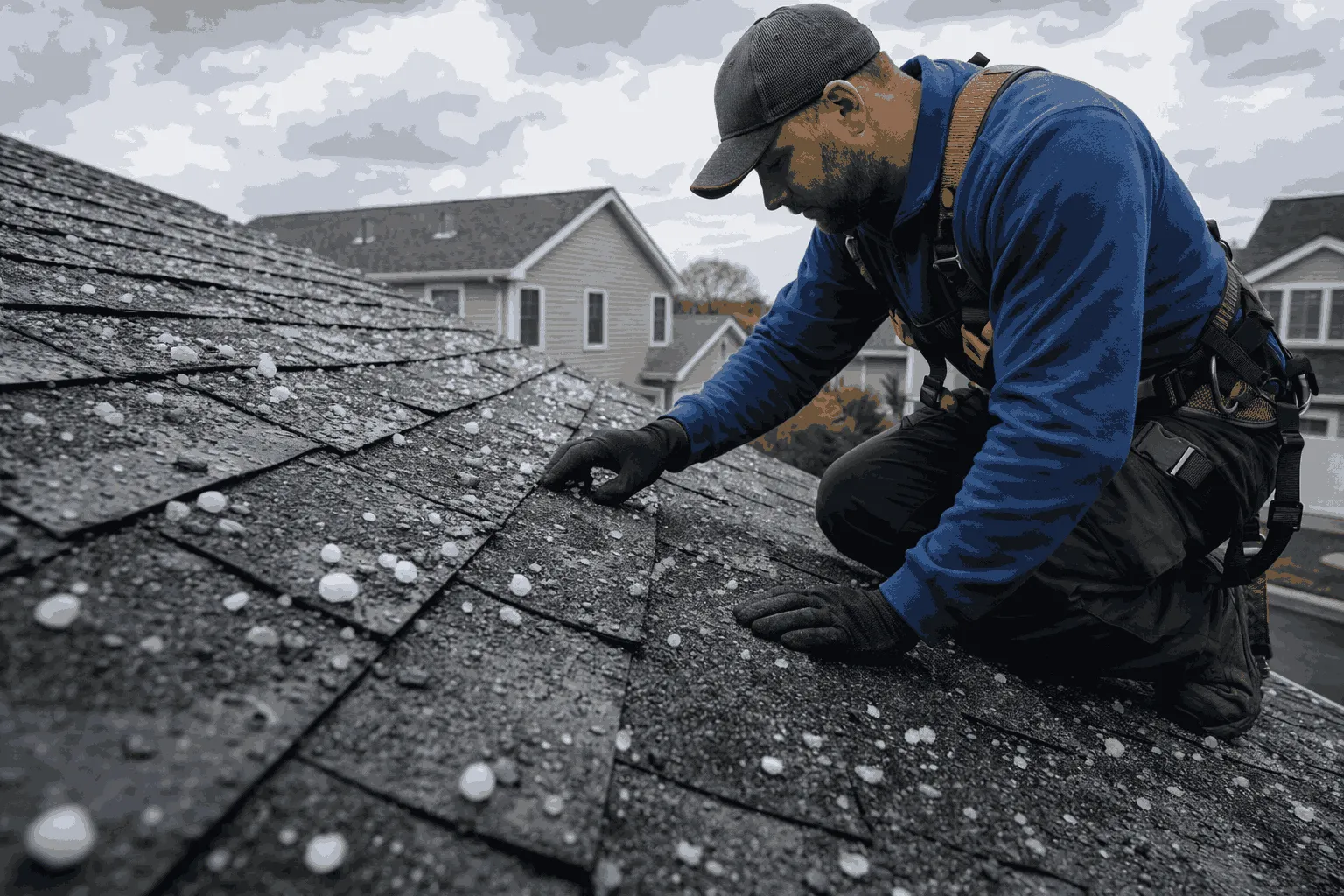
Storms, strong winds, or hail can be so unforgiving. Events like these can strip the granules off your shingles in no time and leave them exposed to a higher risk for more damage.
Hail impact is particularly harmful because it can fracture the asphalt surface while simultaneously knocking loose large quantities of granules. Even if the damage is not immediately visible, it often accelerates future granule loss.
Poor Installation
The roofing shortcuts or errors can reduce the life of a roof quite a lot. If the shingles are installed wrong, that could lead to premature granule loss and may even void warranties!
Improper nailing depth, incorrect alignment, or failure to seal shingles properly can all weaken the bond between granules and asphalt. This results in faster deterioration even under normal weather conditions.
Inadequate Roof Ventilation
When it comes to poor ventilation in an attic, shingles tend to have very poor performance. Trapped heat and moisture may bake the shingles from underneath and make them loose granules faster.
Excess heat can cause asphalt to oxidize more quickly, while trapped moisture weakens the adhesive properties of the shingle layers. Proper ventilation plays a major role in preserving granules.
Foot Traffic
The granules can be dislodged if several people are walking on the roof. It is, therefore, always best to limit the traffic on the roof or make use of walk paths.
Maintenance workers, satellite installers, or even homeowners walking on the roof during hot weather can unintentionally damage shingles and accelerate granule loss.
Identifying Signs of Granular Loss
It can be as simple as a casual glance from a safe vantage point or even from the ground to spot granular loss on your roof. But what should you look for?
Check Your Gutters and Downspouts
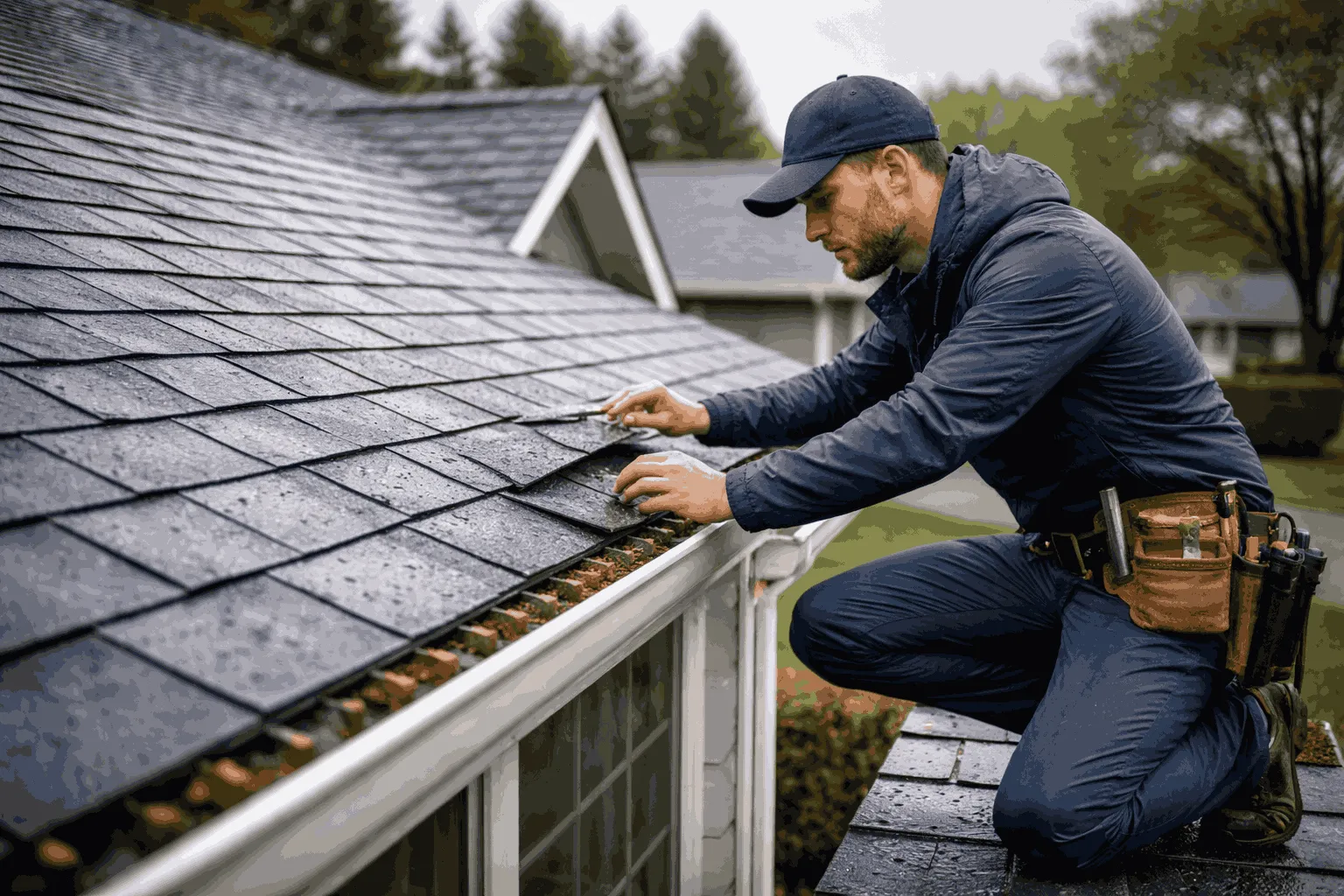
Observe the gutters and downspouts during your regular roof maintenance. In case you find a larger-than-normal amount of granules collected, this is the indication that your shingles are shedding more than usual.
Repeated granule buildup after every rainfall is often a warning sign that the roof surface is deteriorating at a faster-than-normal rate.
Look for Bald Spots on Shingles
While enjoying the view from your yard, gaze at each of the shingles. Notice if any shingle appears shiny or bald in comparison with other surrounding shingles.
Shiny patches indicate exposed asphalt, which is far more vulnerable to UV damage and cracking.
Look for Discoloration and Inconsistency
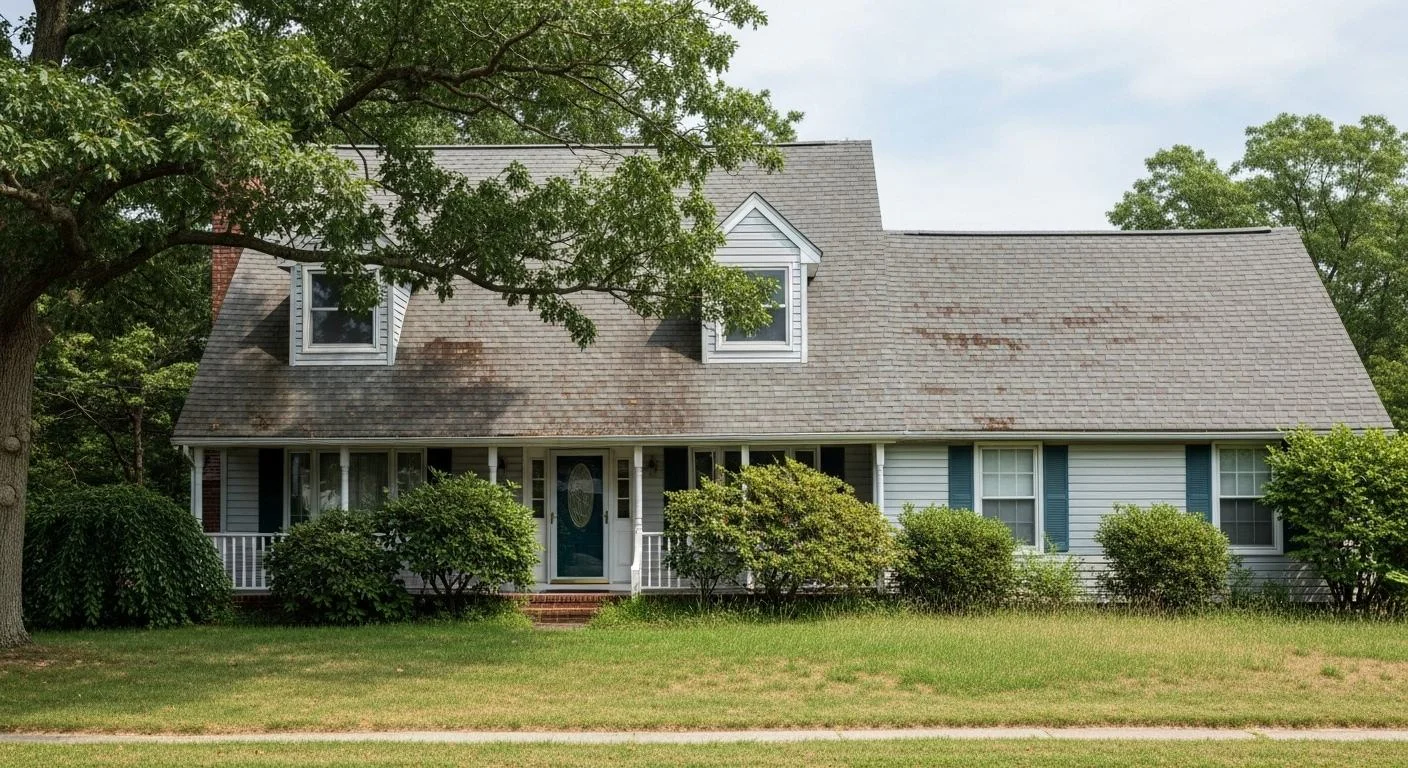
Color change or appearance would also intimate the loss of granules. Fading or discolored areas over the shingles may mean that they are begging for a little roof TLC.
Check Your Flower Beds
You may find that granules have been washed off and are scattered around your garden beds, particularly after a rainstorm.
Impact of Granular Loss on Roof Life
When the little granules start slipping away, it is no longer just an aesthetic problem; your roof gives subtle signs that it may be aging at a very rapid rate than it should. The granules protect your roof from the sun, severe weather, and even extend its life.
The grainy coat when gone leaves your shingles defenseless against the blistering sun, making it heat penetrate and probably warp or crack your shingles over some time.
Furthermore, the absence of granules allows moisture to settle into the shingle layers. The unchecked moisture can lead to mold growth or rot, which may thus weaken your entire roofing structure.
Moreover, granular loss decreases the efficiency of your roofing system in reflecting heat, which results in higher energy bills and increased strain on cooling systems.
How Much Granule Loss Is Too Much?
Some granule loss is expected, but losing huge amounts of granules after rain or heavy winds is an alarming situation. The trick here becomes distinguishing between normal aging and any potential damage caused that might affect the integrity of your roof.
It is recommended to look for those areas on your roof that appear bare compared to the rest. If your shingles look shiny as they should appear dull, it might be that the granules have worn out exposing the asphalt shingle beneath.
This kind of exposure makes the shingles weak, less useful, and shortens the lifetime of your roof.
Repair Techniques for Granular Loss
As daunting as repairing granular loss on a roof may appear, there are quite a number of approaches that can effectively handle the situation.
A relatively simple approach is to apply a surface coating, normally of acrylic or silicone, that fills in any lost granules and provides additional weather protection. These coatings can slow further deterioration and help restore limited UV resistance.
Adding the granules back can also be an option, but this would only be the case for small amounts of granule loss.
If you have the displaced granules, you can apply them onto the roof while using roof adhesive or cement to hold them in place. Simply apply a little glue on the damaged area, sprinkle some granules over the area, and gently tap to set them firmly.
But for more complicated issues, there’s no way you can attempt it all on your own. Call roofing specialists as early as possible. Such roof professionals are able to determine the damaged area using infrared scanning technology and recommend whether repairs or replacement are necessary.
Tips for Preventing Future Granular Loss
It is always better to stop problems before they escalate, and this goes particularly for your roof.
Regular Inspections
It is important to note that any roofing work should be undertaken every six months or after any harsh weather events which may lead to the weakening of the roof.
Proper Ventilation
Make sure there is enough airflow in the attic area. Wherever the shingles are subject to more heat they would expand leading to the layers becoming more brittle and flaking, losing more granules in the process.
Trim Overhanging Branches
Strong winds can move trees and branches that may scratch shingles which eventually lead to losing a few granules. Regular trimming reduces this risk.
Gutter Care
Water buildup on the roof due to clogged gutters can only accelerate the rate of the shingles deterioration, especially if the amount of granules is already less.
Conclusion
The good news is that it’s possible to handle granular loss on your roof without it being a total disaster, just a manageable maintenance issue. Through proactive steps to repair and take care of your shingles, you extend the life of your roof for decades to come and prevent unexpected costly repairs.
Regular inspections help catch granular loss early, allowing small sections to be repaired instead of replacing the entire roof. When your roof is maintained properly, it continues to protect your home efficiently and remain in good condition for many years.