The global roofing industry is undergoing significant growth and transformation. Market research indicates that the roofing sector is projected to reach approximately $156 billion by 2030, with a steady compound annual growth rate of around 4.3%. This expansion is being driven by increasing construction activity, aging housing stock, rising awareness of energy efficiency, and a growing demand for durable, weather-resistant roofing systems.
As homes age, roof replacement has become one of the most critical long-term investments homeowners can make. A roof is not only a protective barrier against rain, wind, and temperature extremes—it also plays a vital role in structural integrity, indoor comfort, insulation performance, and overall property value. While many homeowners delay replacement until major leaks occur, proactive roof replacement often prevents costly interior damage and emergency repairs.
Traditional roofing materials such as asphalt shingles remain the most common choice due to affordability and ease of installation. However, even the best asphalt roofs have a limited lifespan of 15 to 30 years. Continuous exposure to ultraviolet radiation, moisture, freeze-thaw cycles, and storm activity gradually weakens roofing materials. Poor installation practices, inadequate ventilation, and severe weather events can further accelerate deterioration. This guide explores the full scope of roof replacement—from early warning signs and material options to costs, timing, and long-term benefits.
Signs Your Roof Needs Replacement
Roof damage often develops gradually, and early symptoms may not be obvious from the ground. Recognizing warning signs early can help homeowners avoid widespread damage and higher repair costs.
Damaged, Curling, or Missing Shingles
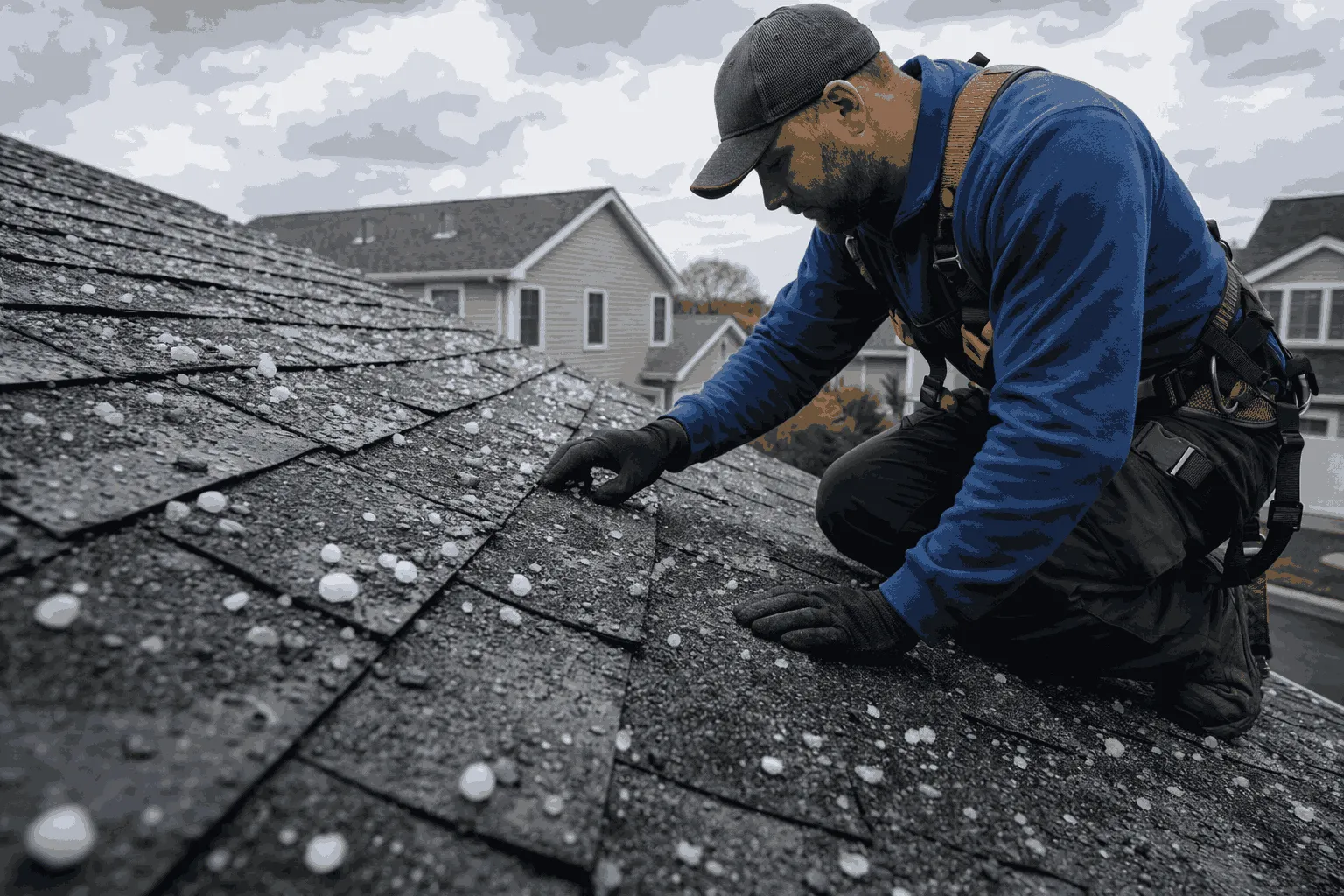
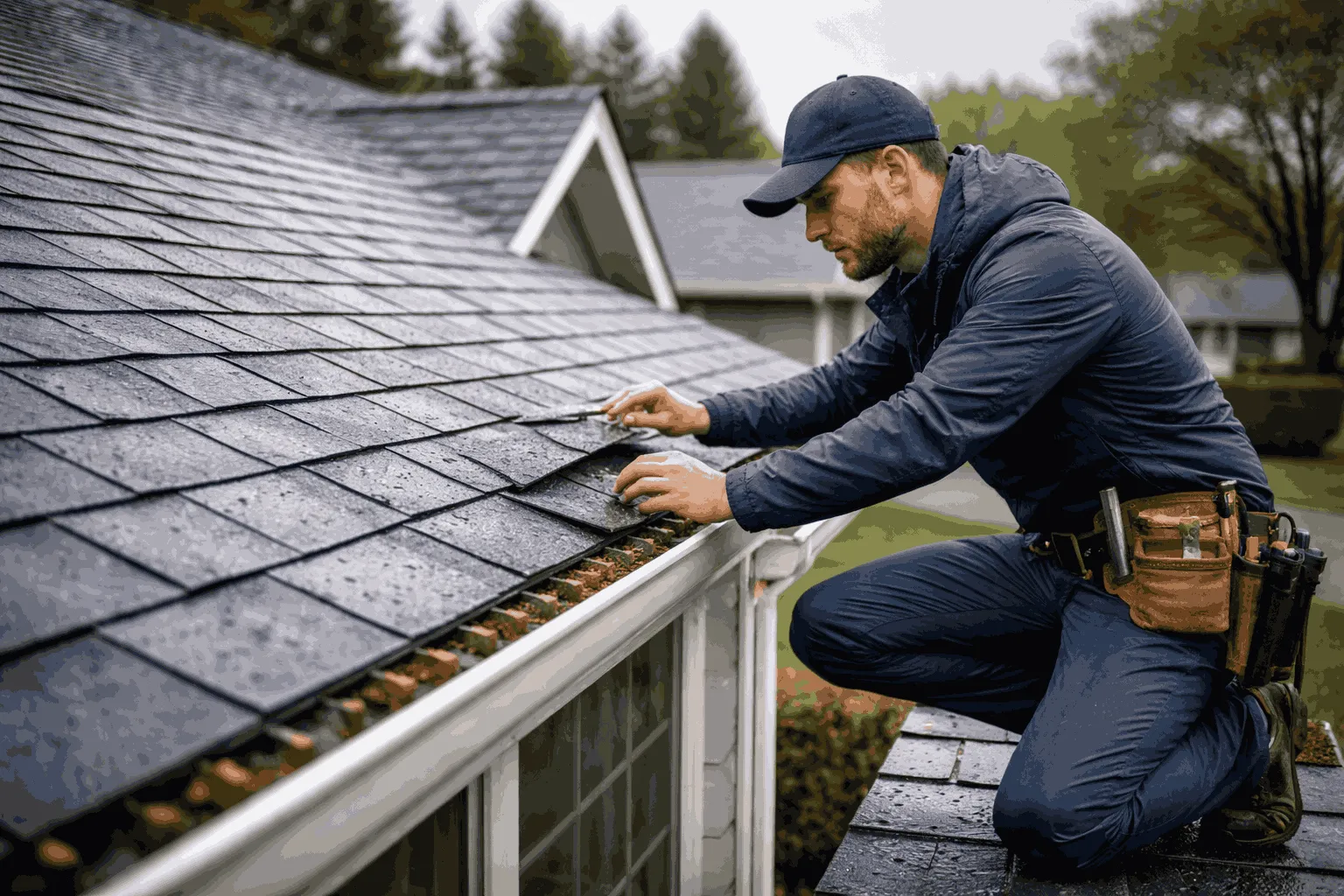
Shingles that are cracked, curled at the edges, blistered, or completely missing indicate advanced material fatigue. These conditions reduce the roof’s ability to shed water and protect underlying layers. Once the protective surface fails, moisture can quickly penetrate the roof system.
Interior Leaks and Water Stains
Water stains on ceilings or walls, peeling paint, damp insulation, or musty odors are strong indicators of roof failure. Even small, slow leaks can cause mold growth, drywall damage, and wood rot over time.
Sagging or Uneven Rooflines
A healthy roof should appear straight and uniform. Sagging sections may indicate structural issues such as deteriorated decking, weakened rafters, or long-term moisture intrusion. These problems often require full replacement rather than surface repairs.
Excessive Granule Loss
Asphalt shingles rely on granules to reflect UV rays and protect the asphalt layer beneath. Finding large amounts of granules in gutters or around the property suggests shingles are nearing the end of their service life.
Advanced Roof Age
Every roofing material has a predictable lifespan:
-
Asphalt shingles: 15–30 years
-
Wood shingles or shakes: 20–25 years
-
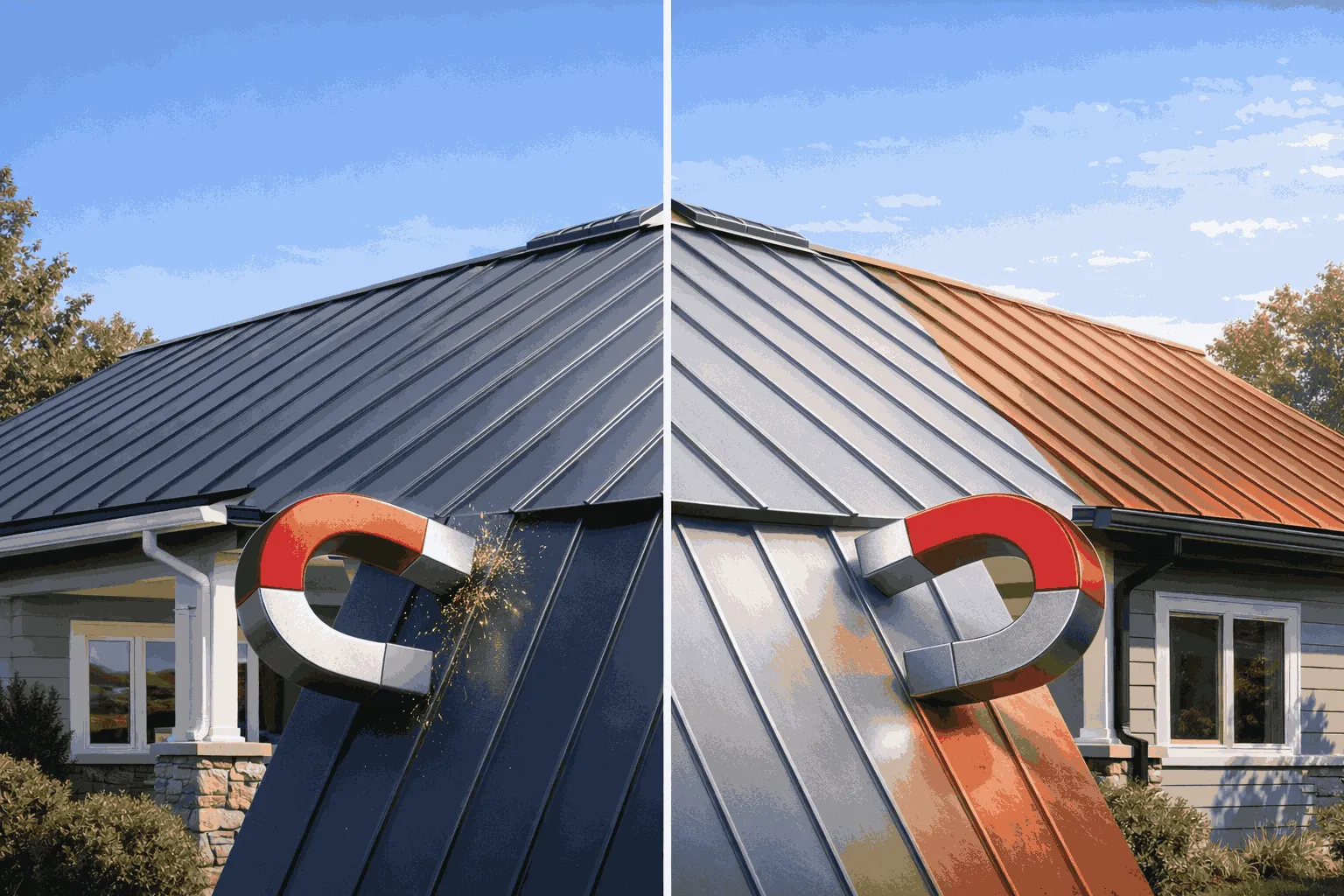
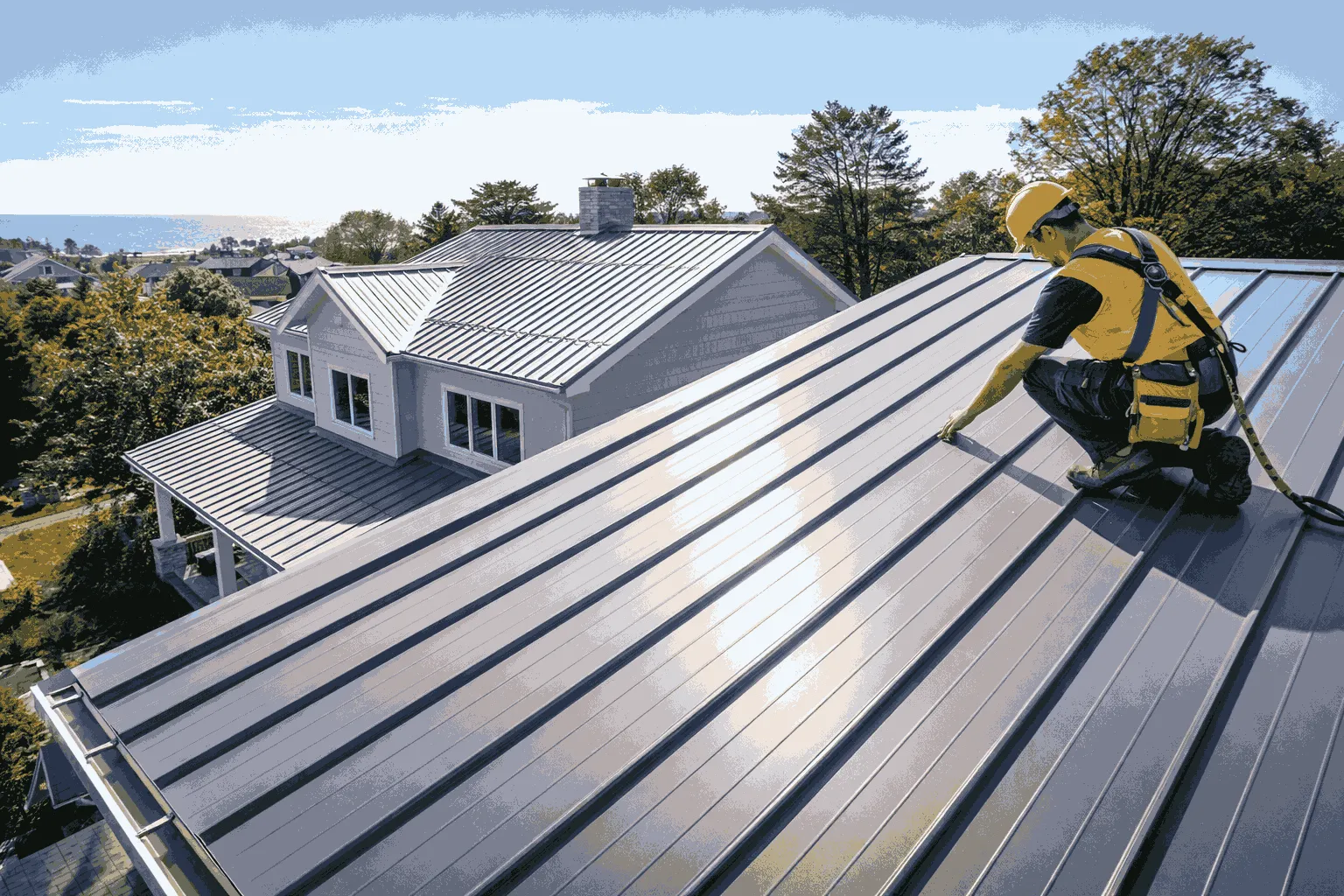
Metal roofing: 40–70 years
-
Clay or concrete tile: 50–100 years
If your roof is approaching or exceeding its expected lifespan, replacement should be planned even if visible damage is minimal.
How Often Should a Roof Be Replaced?
Roof replacement timing depends on several interconnected factors rather than a fixed schedule.
Material Durability
Higher-quality materials typically last longer. Architectural shingles outperform basic three-tab shingles, while metal and tile systems offer superior longevity at higher upfront cost.
Climate and Environmental Stress
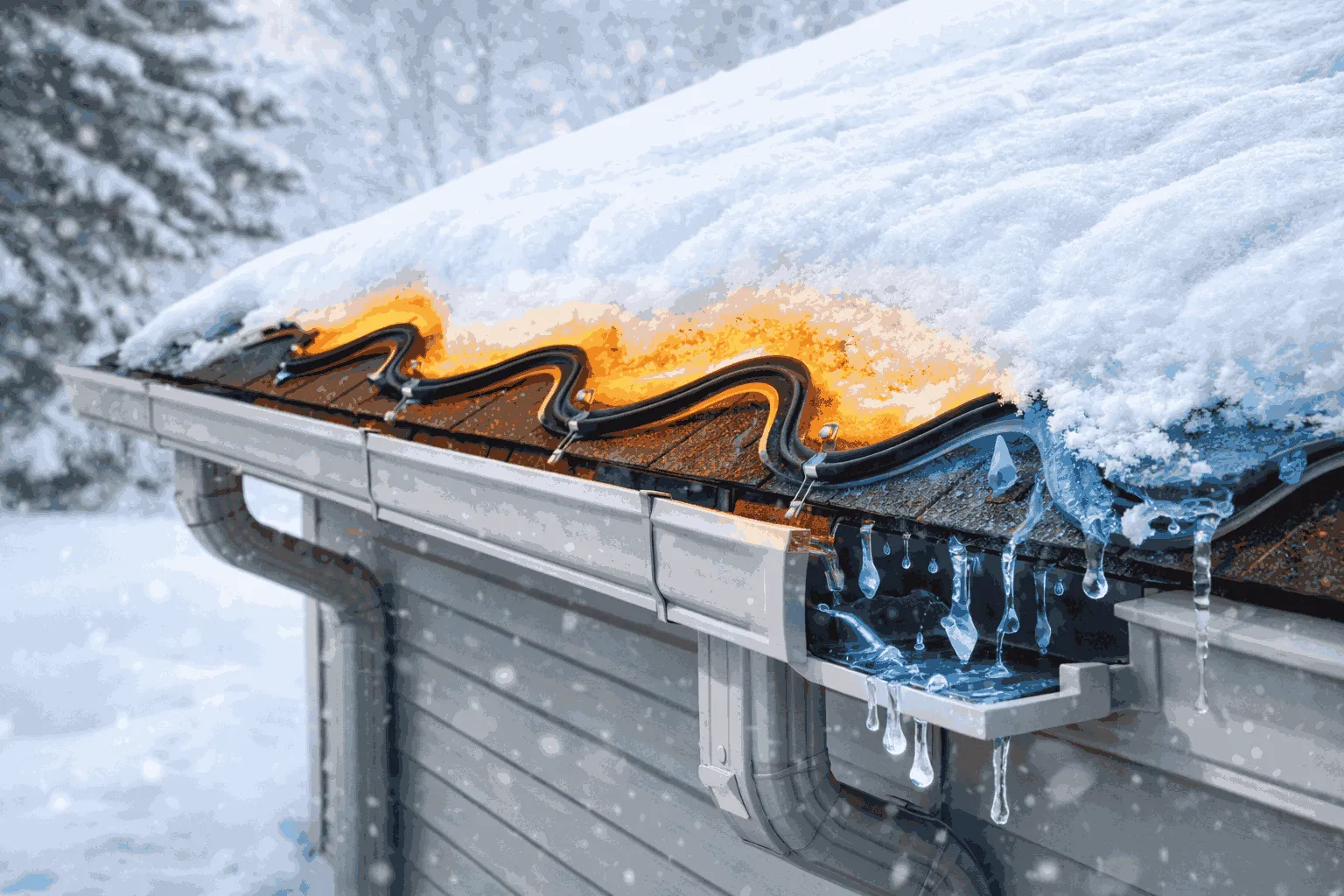
Homes in regions with intense heat, frequent storms, heavy snowfall, or hail experience faster roof degradation. Coastal environments can accelerate corrosion and material breakdown due to salt exposure.
Ventilation and Maintenance
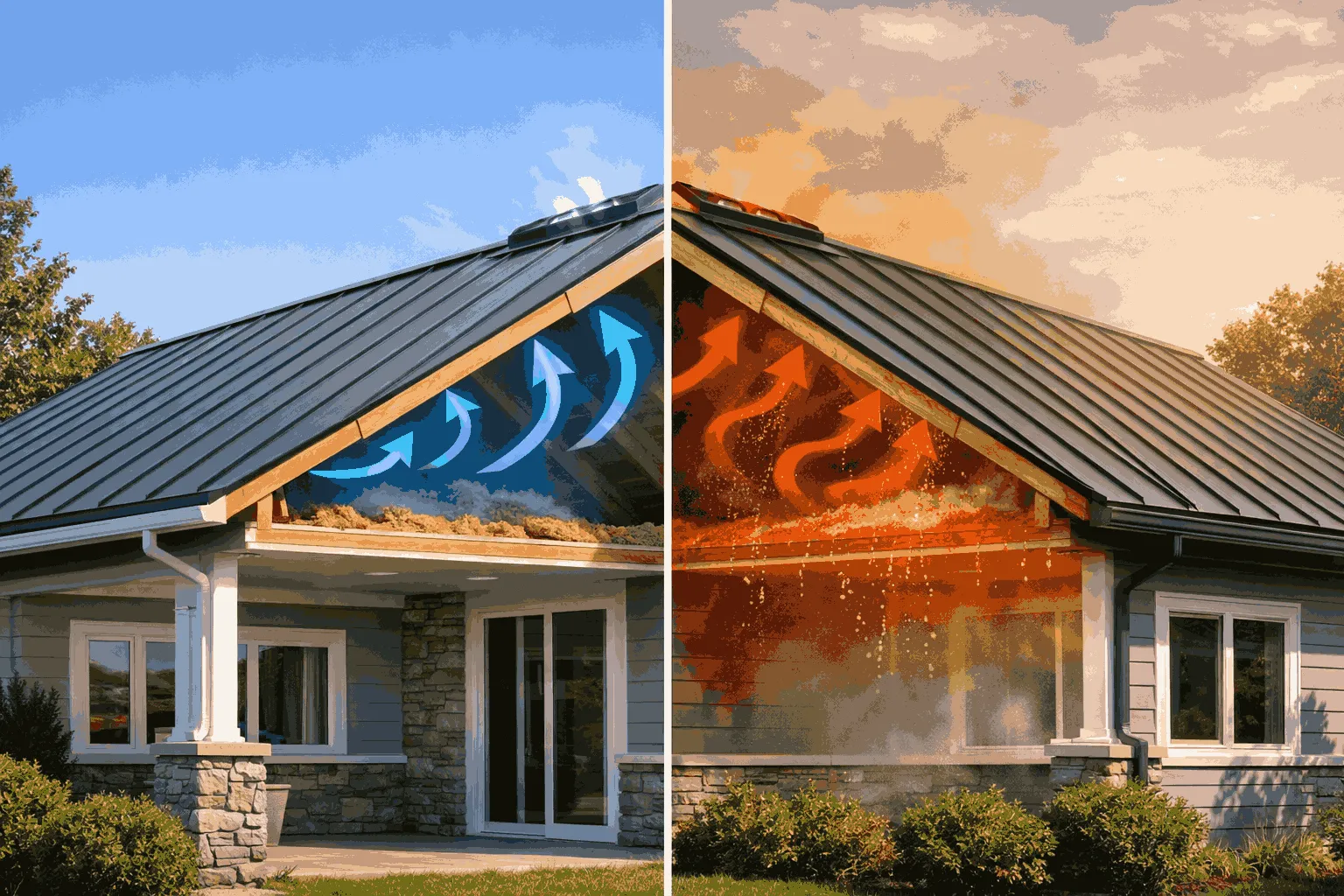
Proper attic ventilation regulates temperature and moisture levels, reducing stress on roofing materials. Regular inspections, gutter maintenance, and prompt repairs can significantly extend roof life.
Roof Replacement Process: Detailed Step-by-Step Breakdown
Understanding the replacement process helps homeowners set realistic expectations and evaluate contractor quality.
Permitting and Code Compliance
Roof replacement typically requires permits to ensure compliance with local building codes and wind-resistance standards. Proper permitting protects homeowners during resale and insurance claims.
Site Preparation and Safety Measures
Roofers protect landscaping, siding, and outdoor features using tarps and barriers. Safety equipment is installed to protect workers and property.
Removal of Existing Roofing
Old shingles, underlayment, and flashing are removed to expose the roof deck. This step allows contractors to identify hidden damage that would otherwise go unnoticed.
Deck Inspection and Structural Repairs
Any compromised decking is replaced to provide a solid foundation for the new roof. Skipping deck repairs can severely shorten the lifespan of new materials.
Underlayment, Ice Barriers, and Flashing
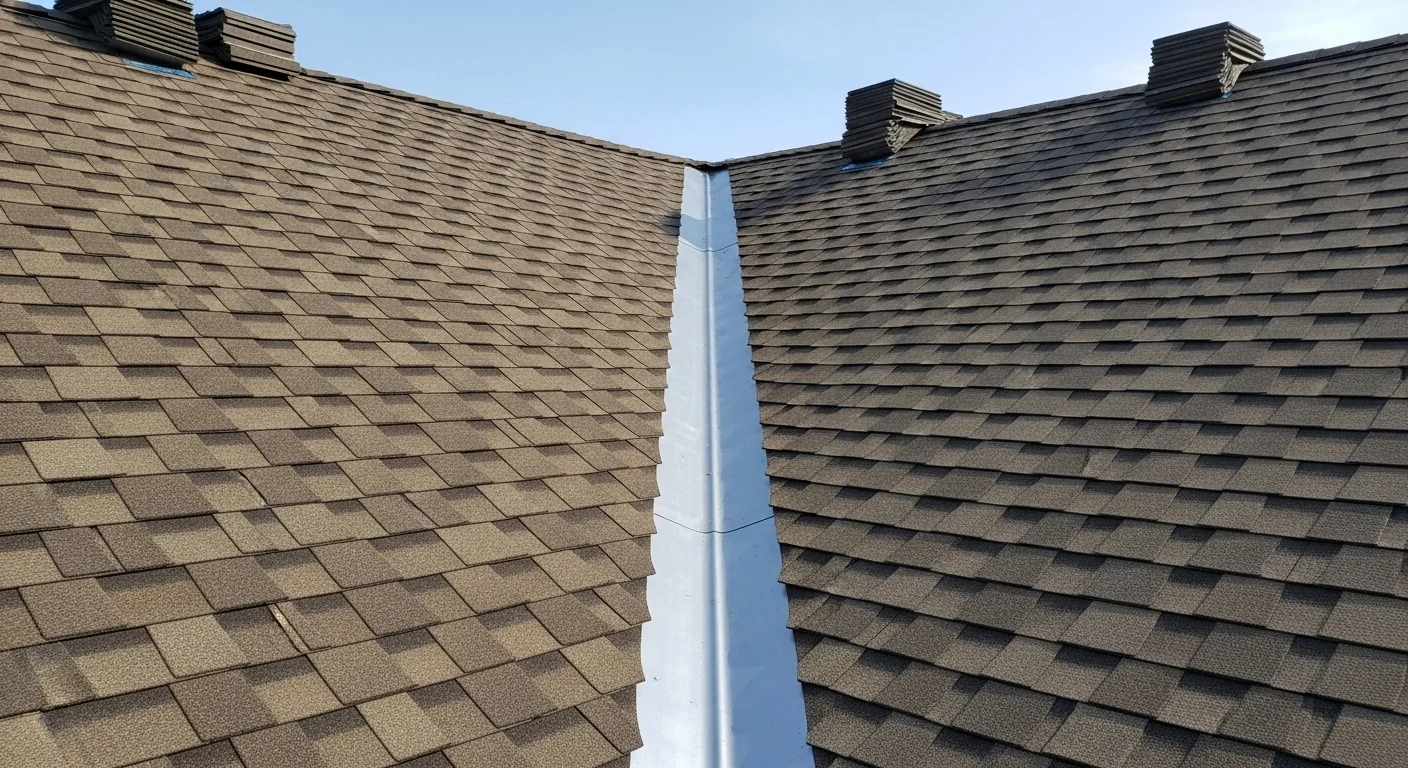
Waterproof underlayment and ice-and-water barriers protect against moisture intrusion. Flashing is installed at all roof penetrations and transition points to prevent leaks.
Installation of New Roofing System
Shingles, metal panels, or tiles are installed according to manufacturer specifications, including proper fastening patterns and ventilation requirements.
Final Inspection and Cleanup
The finished roof is inspected for workmanship and code compliance. All debris is removed, and the property is left clean and secure.
Costs Involved in Roof Replacement
Roof replacement costs vary widely based on multiple factors.
Average Cost Ranges
-
Typical cost: $1.50 to $4.50+ per square foot
-
Asphalt shingles: Most economical
-
Metal, tile, slate: Higher initial cost, longer lifespan
Cost-Influencing Factors
-
Roof size, slope, and complexity
-
Number of valleys, hips, and penetrations
-
Required deck repairs or upgrades
-
Material quality and warranty level
Homeowners should always obtain multiple estimates, verify contractor credentials, and confirm both material and workmanship warranties.
Best Season to Replace Your Roof
Timing affects installation quality, scheduling availability, and cost.
Spring and Early Summer
Moderate temperatures allow materials to seal properly and reduce weather-related delays.
Late Summer
Contractor demand may slow slightly, sometimes resulting in improved scheduling flexibility.
Fall
Often the most popular season due to stable weather and preparation for winter. Early booking is essential.
Winter
Cold temperatures can affect material performance, making winter the least ideal season except for emergency replacements.
Long-Term Benefits of Roof Replacement
A properly installed new roof offers more than weather protection. Benefits include:
-
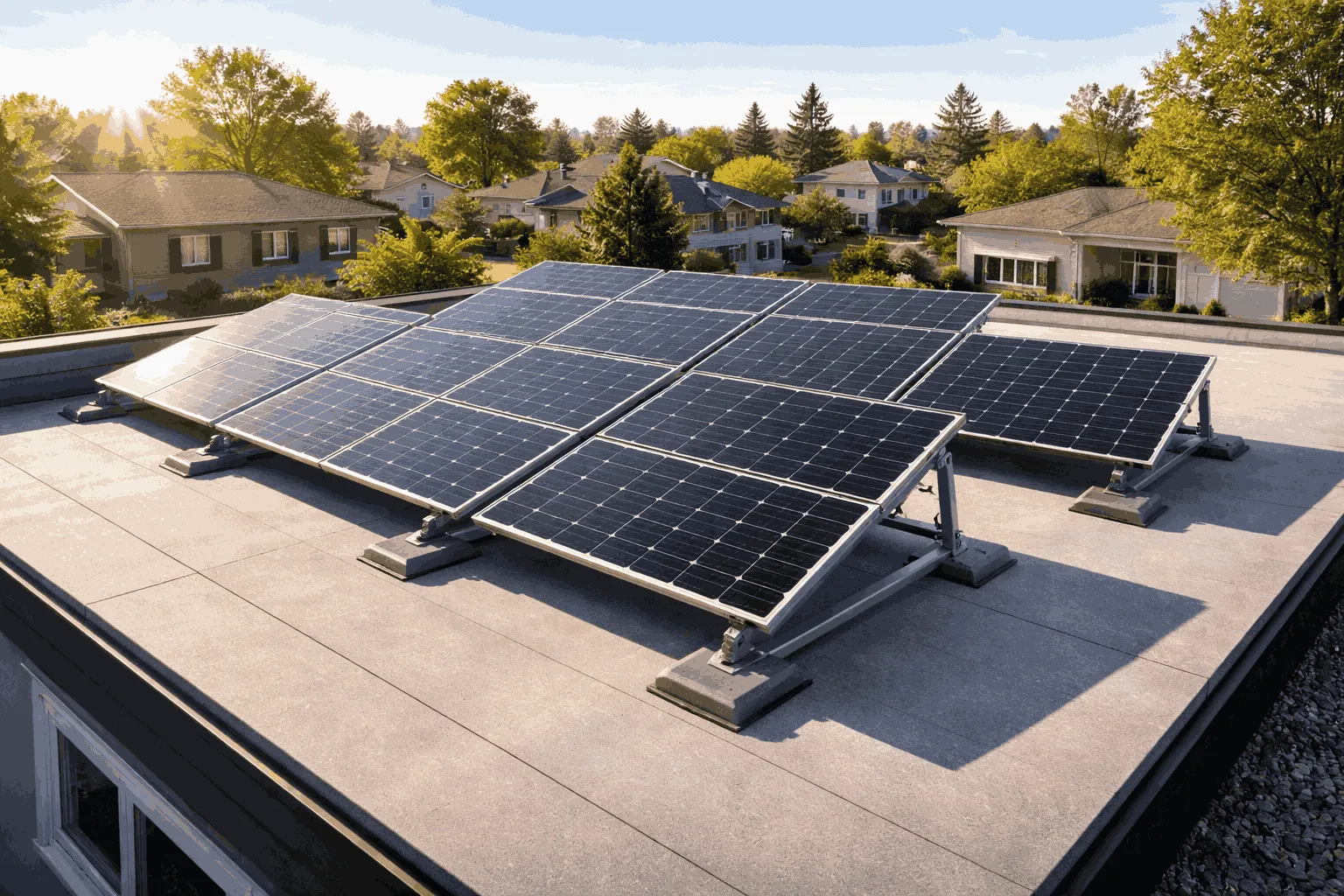
Improved energy efficiency
-
Enhanced curb appeal
-
Increased resale value
-
Reduced maintenance and repair costs
-
Better protection against extreme weather
Modern roofing systems also integrate advanced underlayments, ventilation solutions, and impact-resistant materials that outperform older roofs significantly.
Conclusion
Roof replacement is a major but essential investment in the safety, efficiency, and longevity of a home. By understanding the warning signs of roof failure, selecting appropriate materials, planning for costs, and choosing the right season, homeowners can avoid unexpected emergencies and maximize the value of their investment.
With proper planning, quality materials, and skilled installation, a new roof can provide decades of reliable protection while enhancing both the appearance and performance of your home. Taking a proactive approach to roof replacement ensures long-term peace of mind and protects one of your most valuable assets.