Hailstorms are among the most unpredictable and destructive weather events homeowners face. Unlike heavy rain or wind, hail strikes roofs with concentrated force, delivering sudden impacts that can weaken roofing materials in seconds. Even short hailstorms can leave behind damage that is not immediately visible but gradually compromises a roof’s ability to protect a home.
For Long Island homeowners, this risk is becoming increasingly important to understand. Seasonal storms moving through the Northeast can produce hail of varying sizes, and while some impacts appear minor at first glance, they often reduce a roof’s lifespan and create hidden vulnerabilities. Over time, these weaknesses allow moisture infiltration, insulation damage, and structural deterioration.
Modern roofing manufacturers have responded by developing impact-resistant materials such as Class 4 UL 2218-rated shingles, reinforced metal roofing systems, and hybrid materials engineered to absorb impact energy. However, even advanced roofing systems require proper inspection and maintenance after a storm.
This guide explores the full spectrum of roof hail damage — how it forms, how to recognize it, how different materials respond, and what homeowners can do to protect their properties before and after severe weather.
What Does Hail Damage to a Roof Look Like?
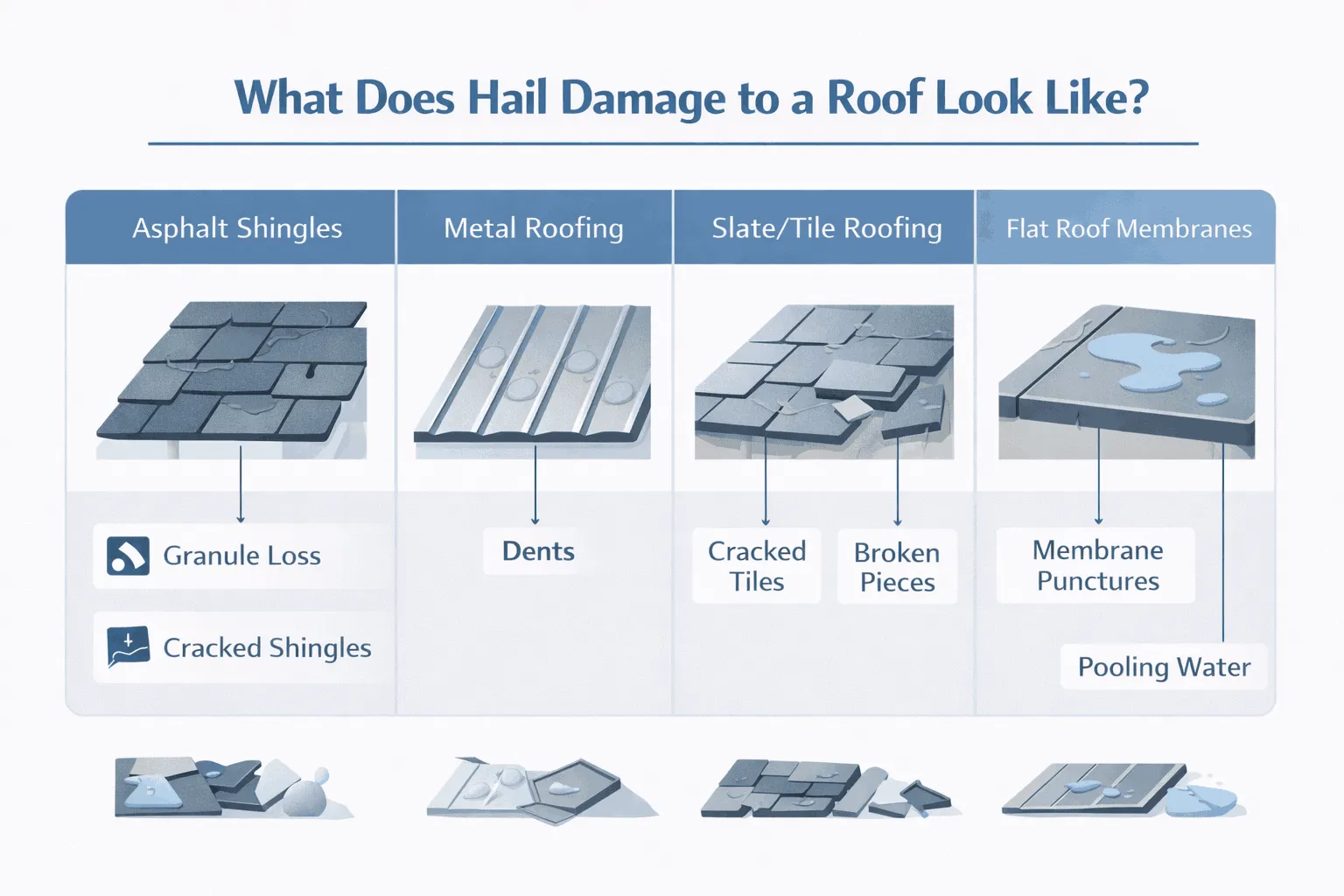
Hail does not affect every roof in the same way. The appearance of damage depends largely on roofing material, roof age, and hail size. Understanding material-specific damage patterns helps homeowners recognize problems early.
Asphalt Shingles
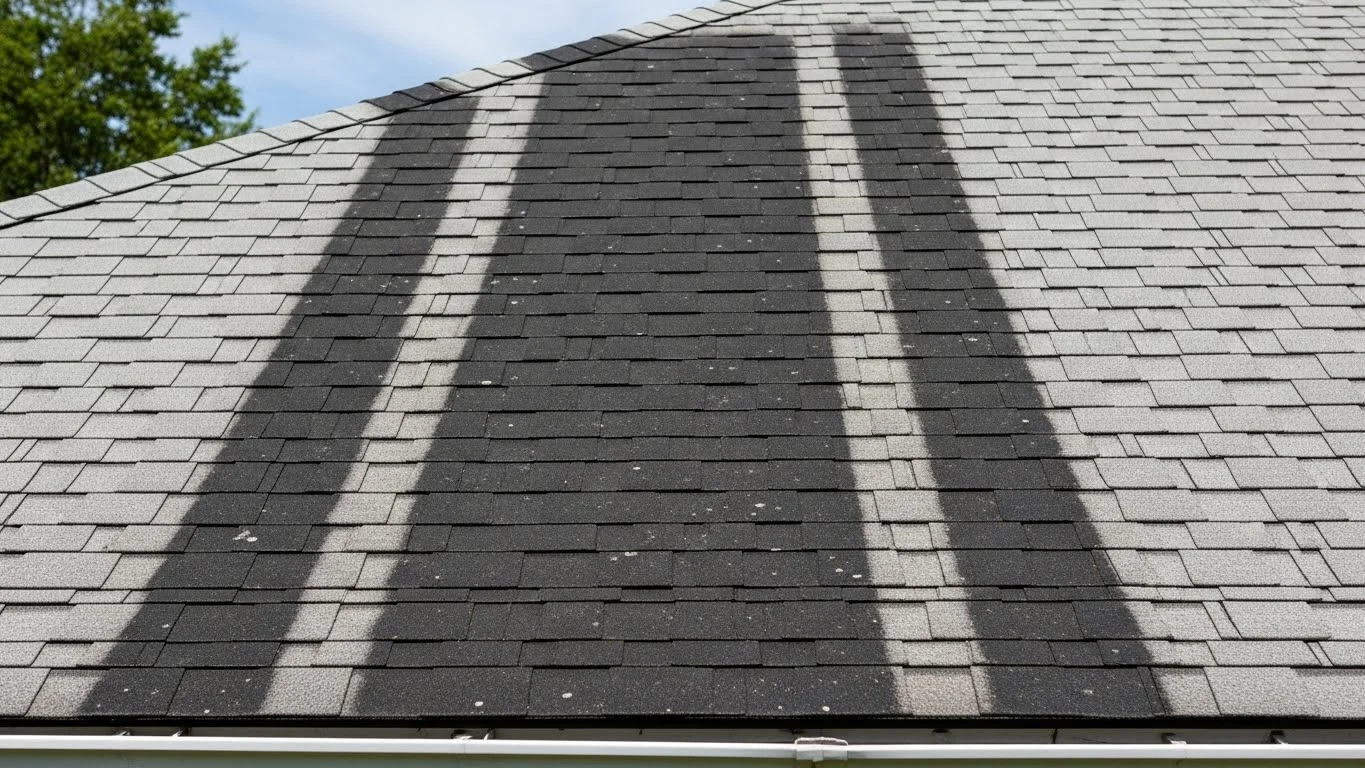
Asphalt shingles are widely used across Long Island due to affordability and durability, but they are particularly vulnerable to impact damage. Hailstones strike shingles with enough force to dislodge protective granules that shield the asphalt layer beneath from UV exposure.
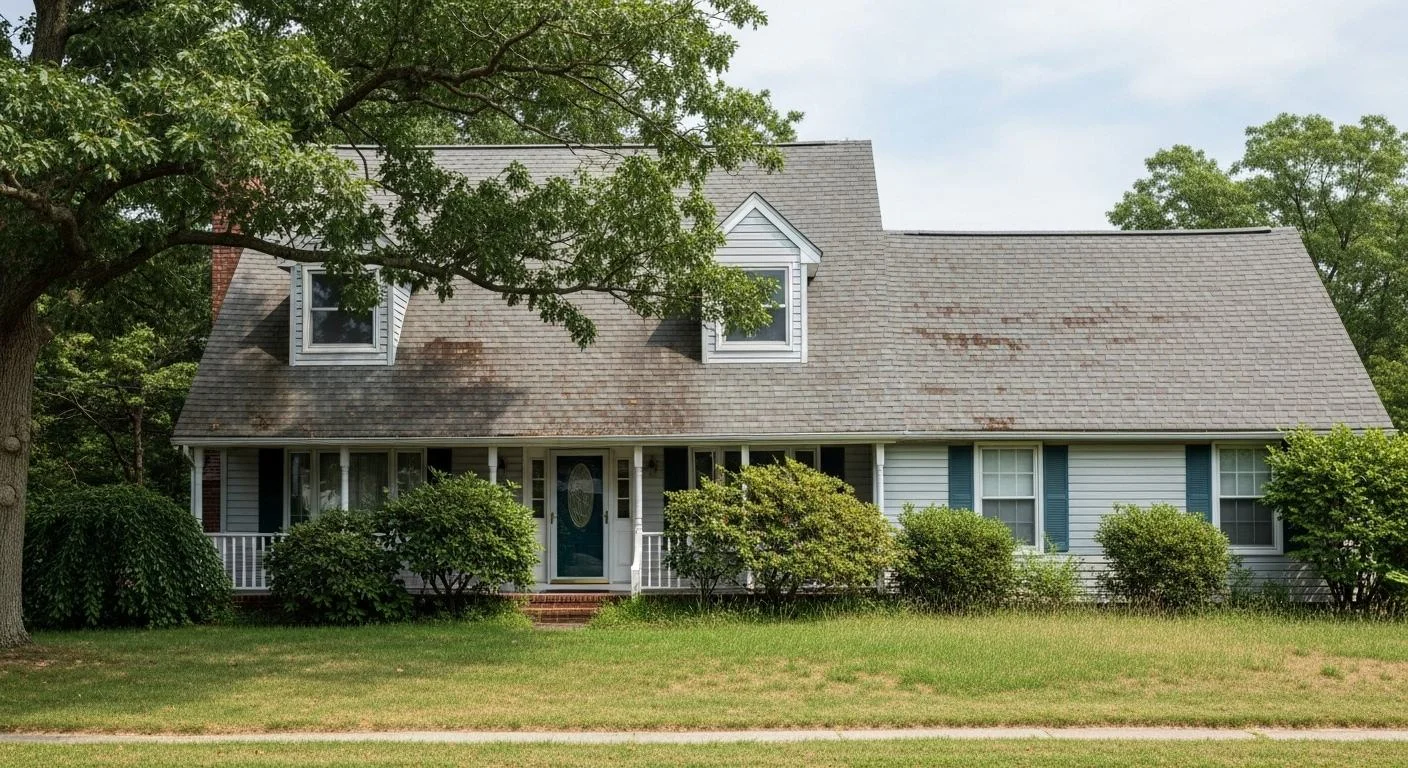
Damage commonly appears as random dark spots where granules have been knocked away. These areas may feel soft when touched because the underlying mat has been bruised. Larger hailstones can create cracks radiating outward from the impact point, weakening the shingle’s structure.
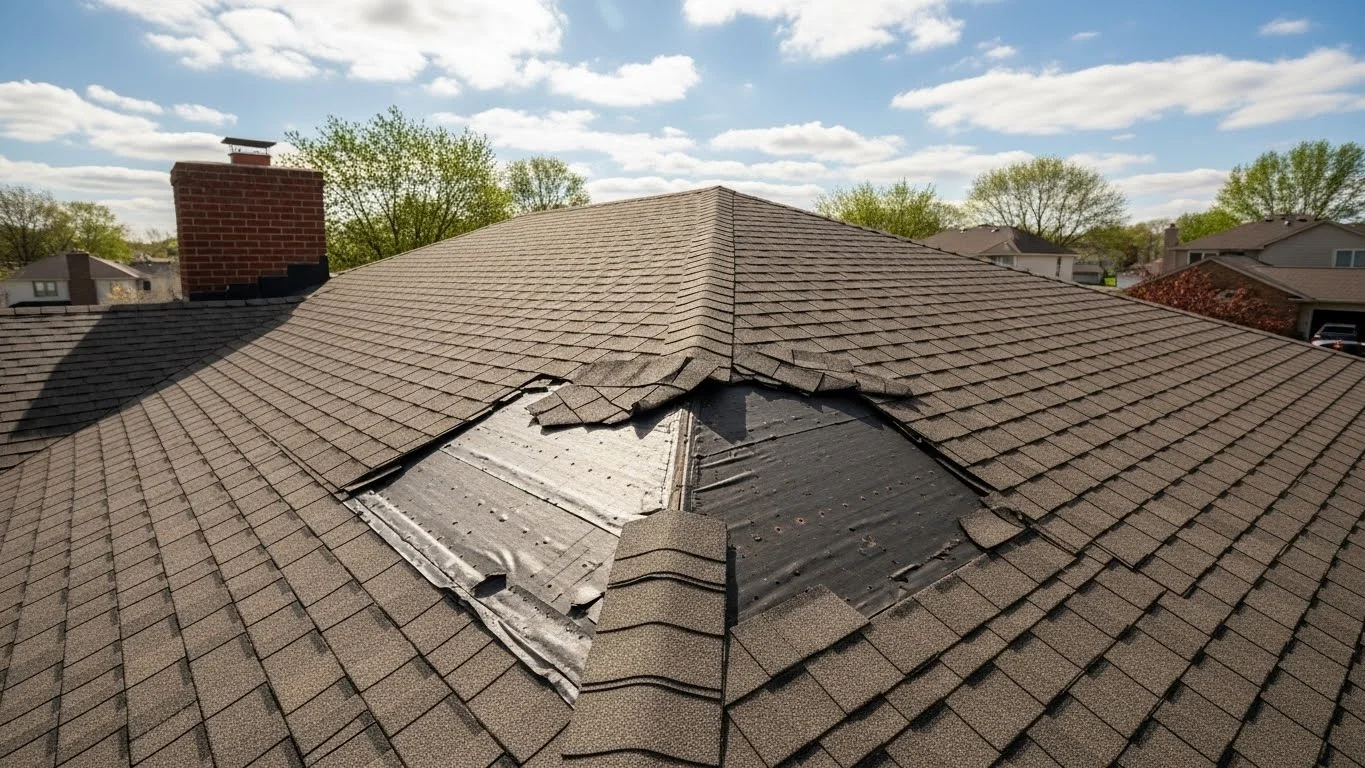
In severe storms, hail may lift shingles entirely or expose underlayment, leaving the roof susceptible to water intrusion during future rainfall.
Metal Roofs
Metal roofing systems generally perform well during hailstorms, but they are not immune to damage. Impacts often create dents or dimples across panels. While these may initially appear cosmetic, repeated impacts can loosen fasteners or seams, potentially affecting long-term performance.
Homeowners sometimes overlook metal roof damage because leaks may not occur immediately. However, compromised fastening systems can allow movement during temperature changes, eventually creating gaps where water enters.
Slate and Tile Roofs
Slate and tile roofing materials are extremely durable yet brittle. Hail impacts often result in chipped edges, fractured tiles, or sections breaking loose entirely. Small cracks may remain unnoticed but expand over time due to freeze-thaw cycles common in the Long Island climate.
Once fractures develop, water penetration becomes increasingly likely, especially during winter conditions.
Flat Roofing Systems
Flat and low-slope roofs respond differently to hail. Instead of cracking, impacts may puncture or stretch roofing membranes. These weakened areas often lead to pooling water, which accelerates deterioration and increases leak risk.
Early identification is critical because membrane damage may remain hidden until moisture accumulation becomes severe.
Guide to Identifying Roof Hail Damage
One of the biggest challenges homeowners face is distinguishing hail damage from normal aging or wear. Not all roof deterioration comes from storms, which is why careful evaluation is essential.
Hail damage typically leaves irregular impact patterns rather than uniform aging. Circular or random marks on shingles differ from gradual granule loss caused by time. Metal components such as vents, gutters, and flashing often show dents before shingles reveal obvious signs.
Exterior damage elsewhere on the home can also provide clues. If siding, shutters, or window trim show impact marks, the roof likely experienced similar forces.
Inside the home, early warning signs may include water stains, damp attic insulation, or subtle leaks after rainfall. These indicators suggest that impacts may have compromised roofing layers even if surface damage appears minimal.
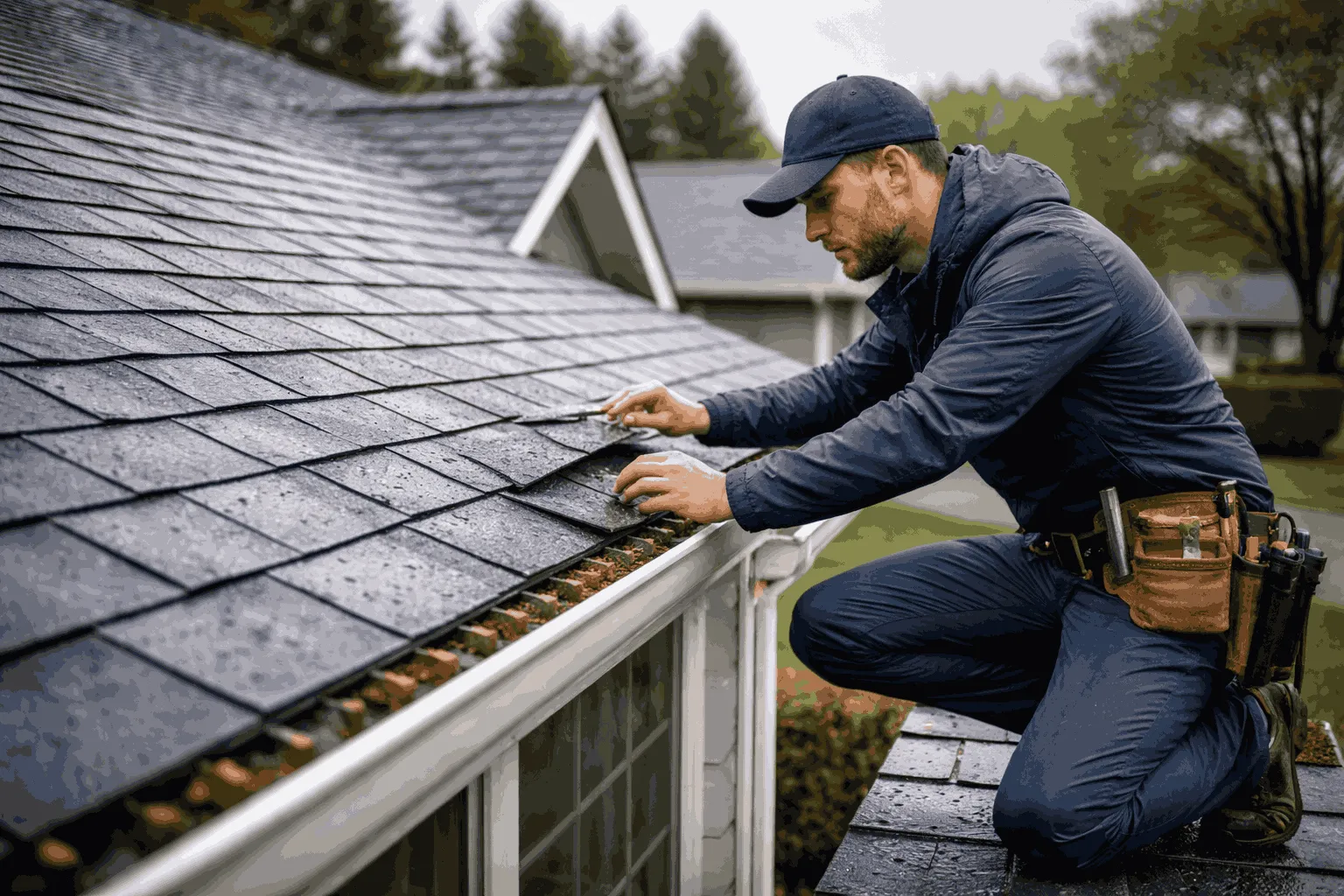
While homeowners can perform basic visual checks from the ground or attic, walking on a roof without proper training can cause additional damage or safety risks. Professional inspections remain the most reliable method for accurate assessment.
Hail Size and Its Impact on Roofing Systems
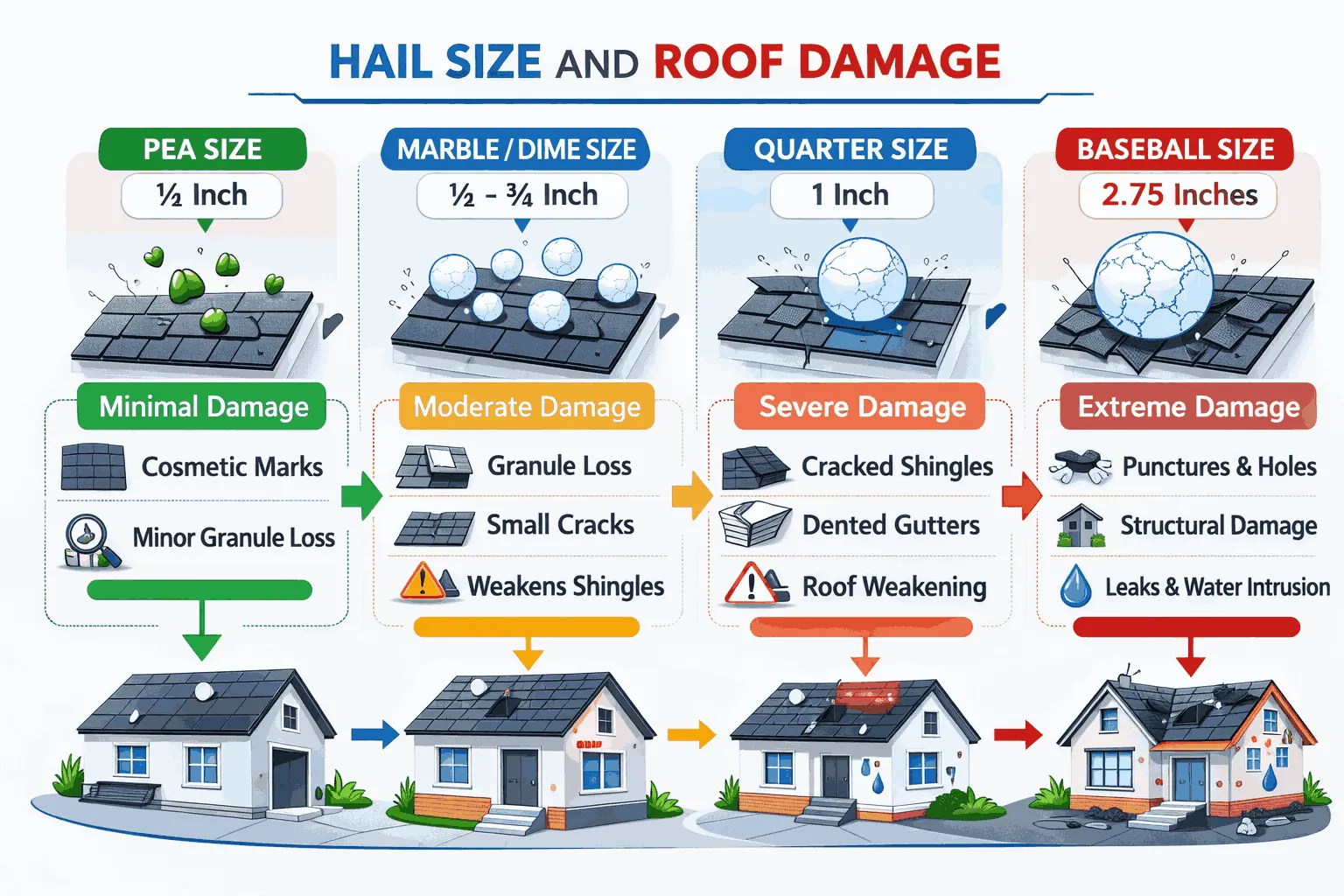
The severity of roof damage often correlates directly with hail size, though wind speed and storm duration also play significant roles.
Small pea-sized hail typically causes cosmetic wear with minimal structural damage. However, repeated exposure can gradually remove protective coatings, shortening roof lifespan.
Marble- to dime-sized hail may displace granules from asphalt shingles and weaken protective layers, making roofs more vulnerable to future storms.
Quarter-sized hail introduces a higher risk of cracking shingles and denting gutters or flashing components. At this stage, functional damage becomes more likely.
Large hailstones approaching baseball size pose serious threats, including punctures, broken tiles, and structural compromise. Such storms often require immediate professional evaluation.
Even when damage appears minor, cumulative impacts can accelerate aging and reduce long-term performance.
When Should You Replace a Roof After Hail Damage?
Not every hailstorm leads to full roof replacement. In many cases, targeted repairs restore performance effectively. Replacement becomes necessary when damage extends beyond isolated areas.
Widespread shingle loss or cracking indicates that repairs may no longer provide reliable protection. Visible underlayment exposure signals that the roof’s primary defense against water has failed.
Structural concerns, including sagging decking or punctures, suggest deeper damage that cannot be resolved through surface repairs alone. Persistent leaks following previous fixes also indicate that underlying systems may be compromised.
Professional roofing contractors evaluate several factors before recommending replacement, including roof age, overall condition, and remaining service life. This balanced assessment ensures homeowners invest only in solutions that genuinely protect their property.
Getting Your Roof Ready for Future Hailstorms
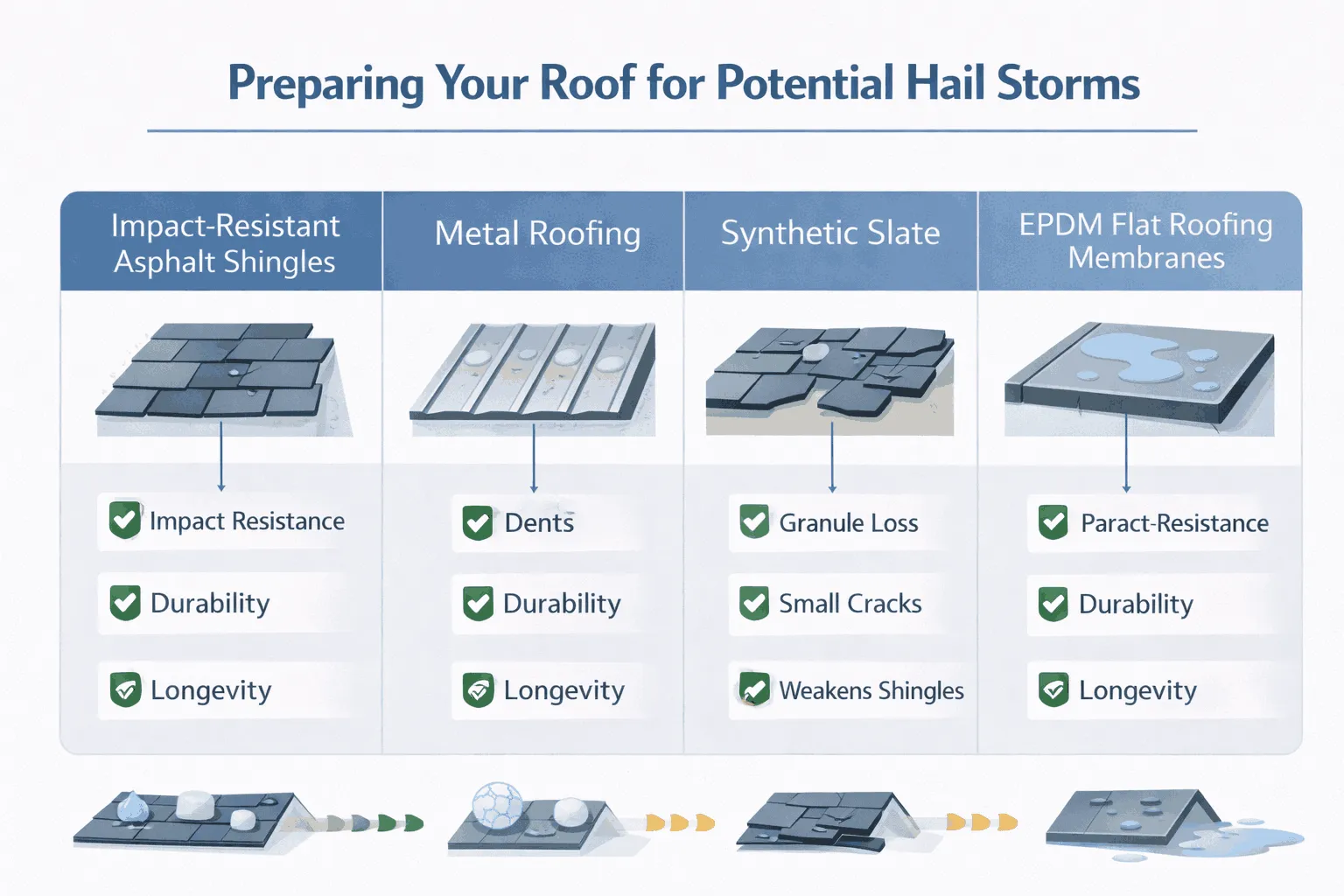
Although no roofing system is completely hail-proof, preparation significantly reduces risk. Preventative maintenance strengthens vulnerable areas before storms occur.
Routine inspections allow contractors to identify loose flashing, aging shingles, or drainage issues that increase susceptibility to impact damage. Reinforcing these elements helps roofs withstand sudden weather events more effectively.
Proper attic ventilation also contributes indirectly to resilience by maintaining consistent temperatures and preventing material stress over time.
Preparing for Roof Replacement with Hail Resistance in Mind
When planning a roof replacement, selecting impact-resistant materials can provide long-term benefits. Modern roofing technology offers multiple options designed specifically to handle severe weather.
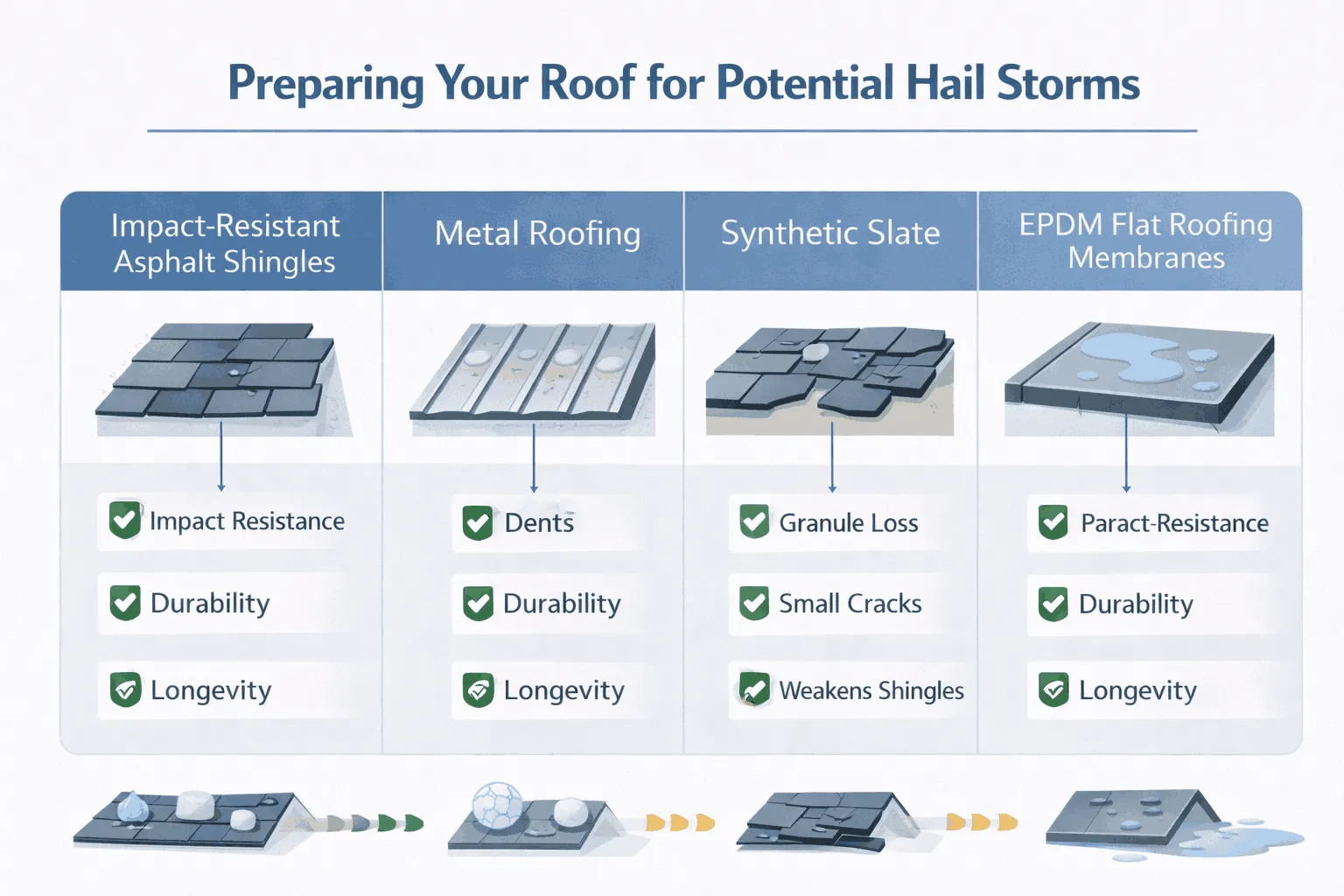
Class 4 impact-resistant asphalt shingles are engineered to absorb energy without cracking or losing granules easily. Metal roofing systems, while sometimes showing cosmetic dents, rarely puncture and maintain structural performance during storms.
Synthetic slate and shake materials combine durability with aesthetic appeal, offering resistance comparable to natural materials without brittleness. For low-slope applications, EPDM rubber membranes provide flexibility that helps absorb impact forces effectively.
Choosing hail-resistant materials reduces repair frequency, extends roof lifespan, and improves homeowner confidence during severe weather seasons.
Why Professional Evaluation Matters After a Hailstorm
Hail damage is not always obvious, and delaying inspection can create complications with warranties or insurance claims. Professional roofing evaluations provide objective documentation and accurate damage identification.
Experienced contractors distinguish between storm damage and natural aging, helping homeowners understand whether repairs are necessary. Detailed reports, photographs, and repair recommendations also support insurance processes when applicable.
Equally important, professional inspections eliminate the safety risks associated with climbing onto steep or wet roofs after storms.
For Long Island homeowners, working with experienced roofing professionals ensures that potential damage is addressed before minor issues evolve into costly structural problems.
Conclusion:
Hail damage often begins subtly but can evolve into serious roofing problems if ignored. From cosmetic granule loss to structural punctures, the impact varies widely depending on material type, hail size, and roof condition.
Early detection remains the most effective defense. Regular inspections, timely repairs, and the use of impact-resistant materials help homeowners reduce long-term risks while extending roof lifespan.
For Long Island properties exposed to unpredictable weather patterns, proactive care is essential. Understanding how hail affects roofing systems empowers homeowners to make informed decisions that protect both their homes and investments.
Whether responding to a recent storm or preparing for future weather events, professional inspection and maintenance provide the reassurance that your roof remains ready to perform when it matters most.