Roof leaks are rarely sudden disasters. More often, they develop quietly over time, beginning as small vulnerabilities that go unnoticed until water finally makes its way indoors. For homeowners in Long Island, this process tends to happen faster than expected because local weather conditions constantly test the durability of roofing systems.
Long Island’s coastal environment exposes homes to steady rainfall, humid air, seasonal storms, and winter freeze-thaw cycles. With nearly 47 inches of annual precipitation and frequent Nor’easters bringing wind-driven rain and snow, roofs here face year-round moisture exposure. Unlike regions where roofing materials primarily battle sun damage, Long Island roofs must continuously resist water intrusion.
Preventing roof leaks is therefore less about emergency repairs and more about understanding how moisture interacts with roofing systems. When homeowners know what causes leaks and how to prevent them, they can extend roof life significantly while avoiding expensive interior damage.
Why Long Island Homes Face Greater Leak Risks
Geography plays a major role in roofing performance. Being surrounded by water means Long Island experiences higher humidity levels and stronger coastal storms than many inland areas. Rain rarely falls gently for long periods; instead, storms often combine wind and moisture, pushing water beneath vulnerable roofing areas.
Seasonal changes further complicate matters. Spring brings prolonged rainfall that exposes weaknesses created during winter. Summer thunderstorms introduce sudden pressure from wind gusts. Autumn covers roofs with leaves that trap moisture, while winter produces snow accumulation followed by melting and refreezing — one of the leading causes of hidden leaks.
These repeating cycles slowly wear down protective roofing layers. Even well-built roofs require consistent maintenance to keep pace with environmental stress.
The Most Common Causes of Roof Leaks
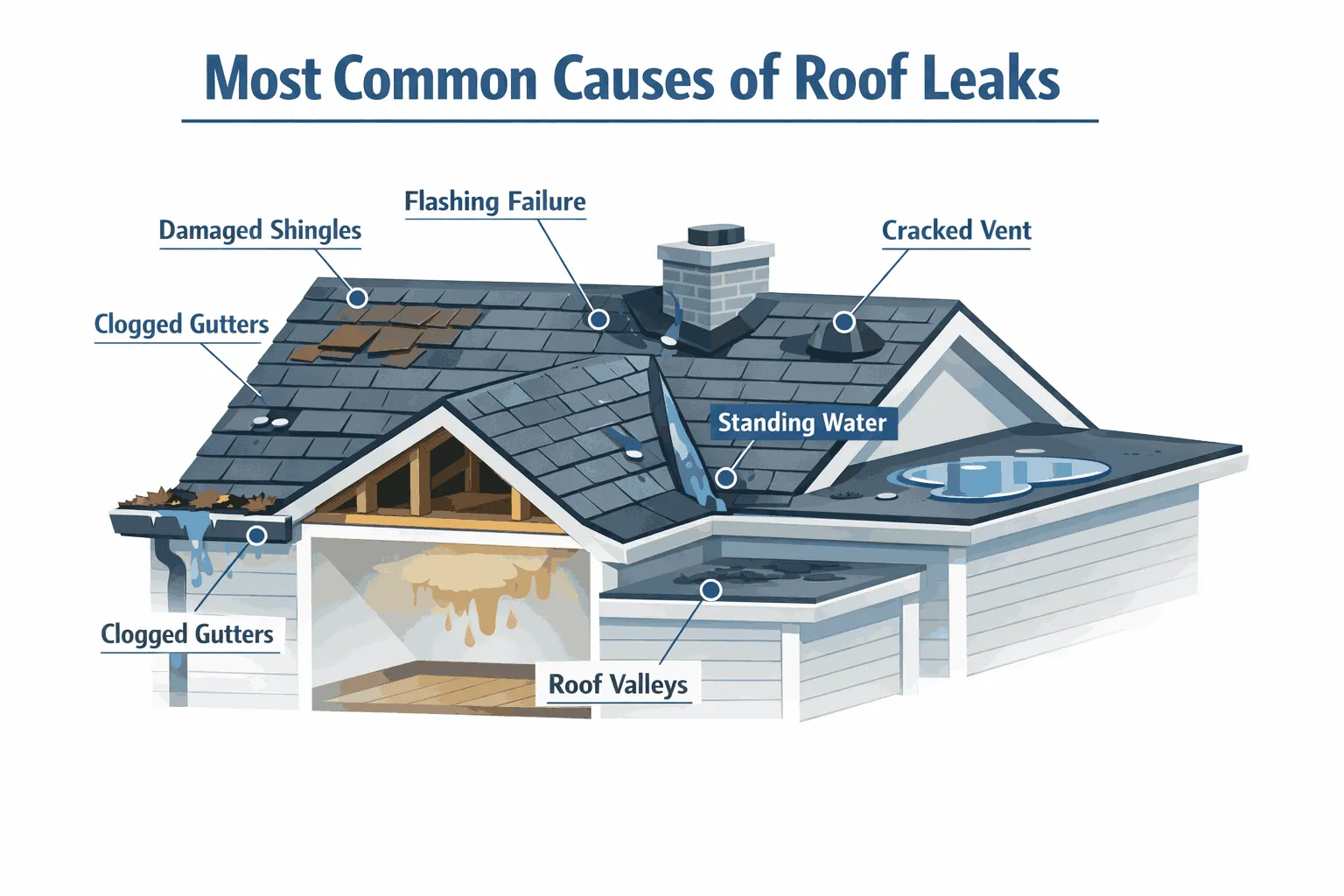
Roof leaks usually develop from predictable issues rather than unexpected failures. Knowing these causes helps homeowners focus on prevention instead of reaction.
Some of the most frequent leak sources include:
-
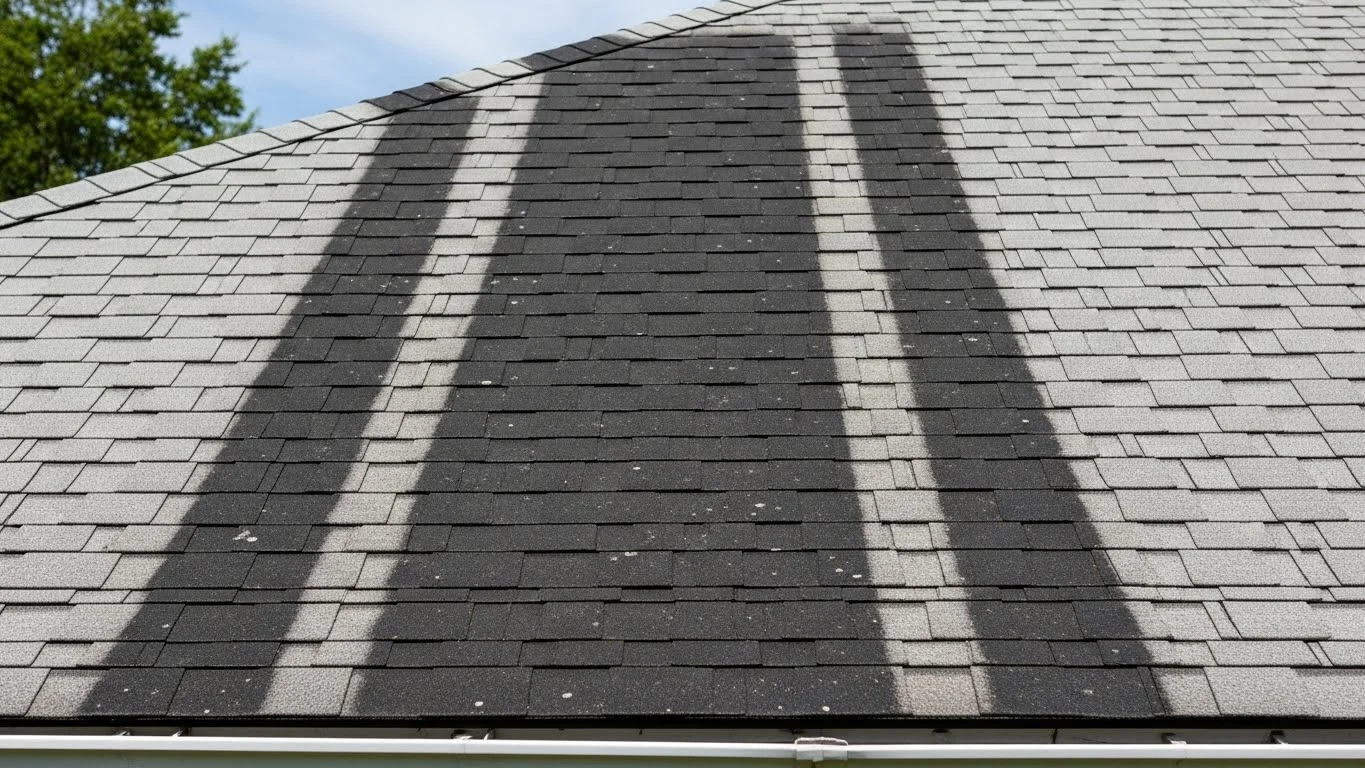
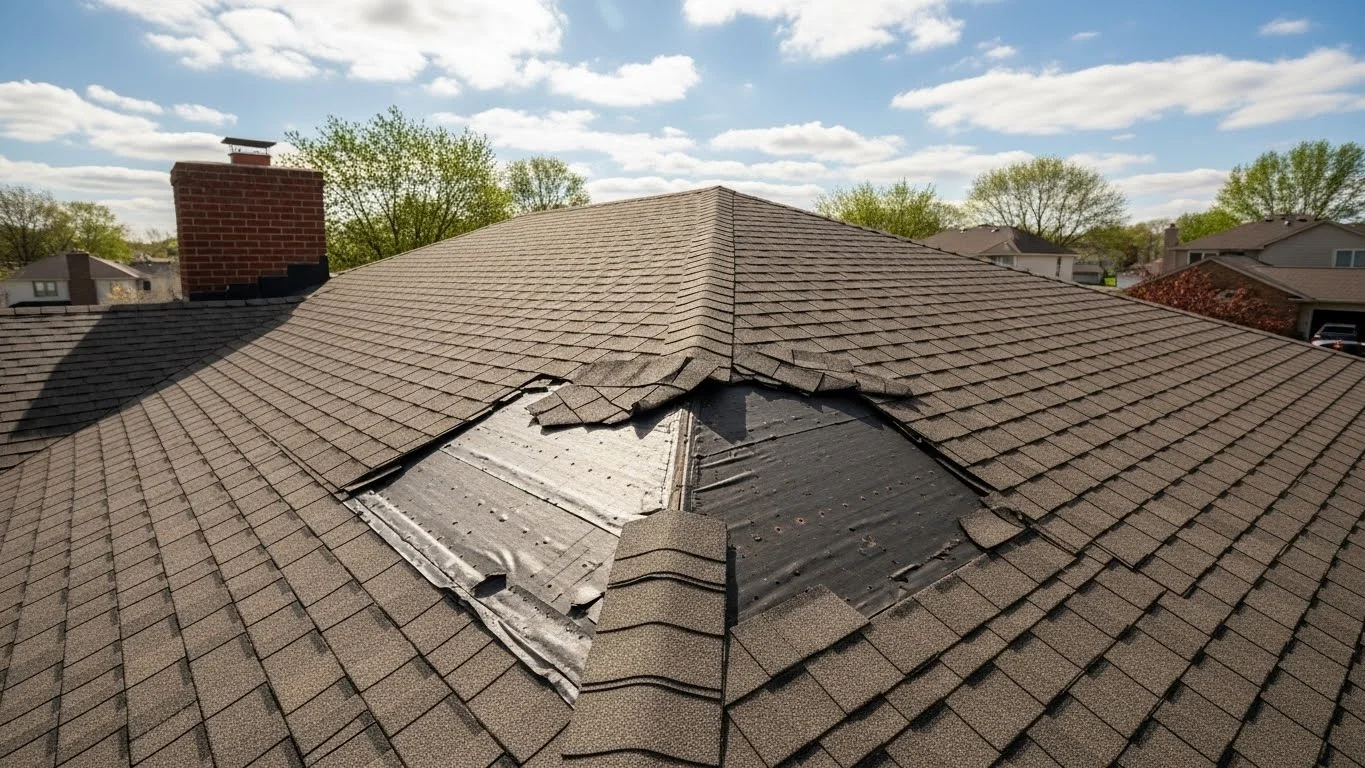
Aging or damaged shingles that no longer shed water properly
-
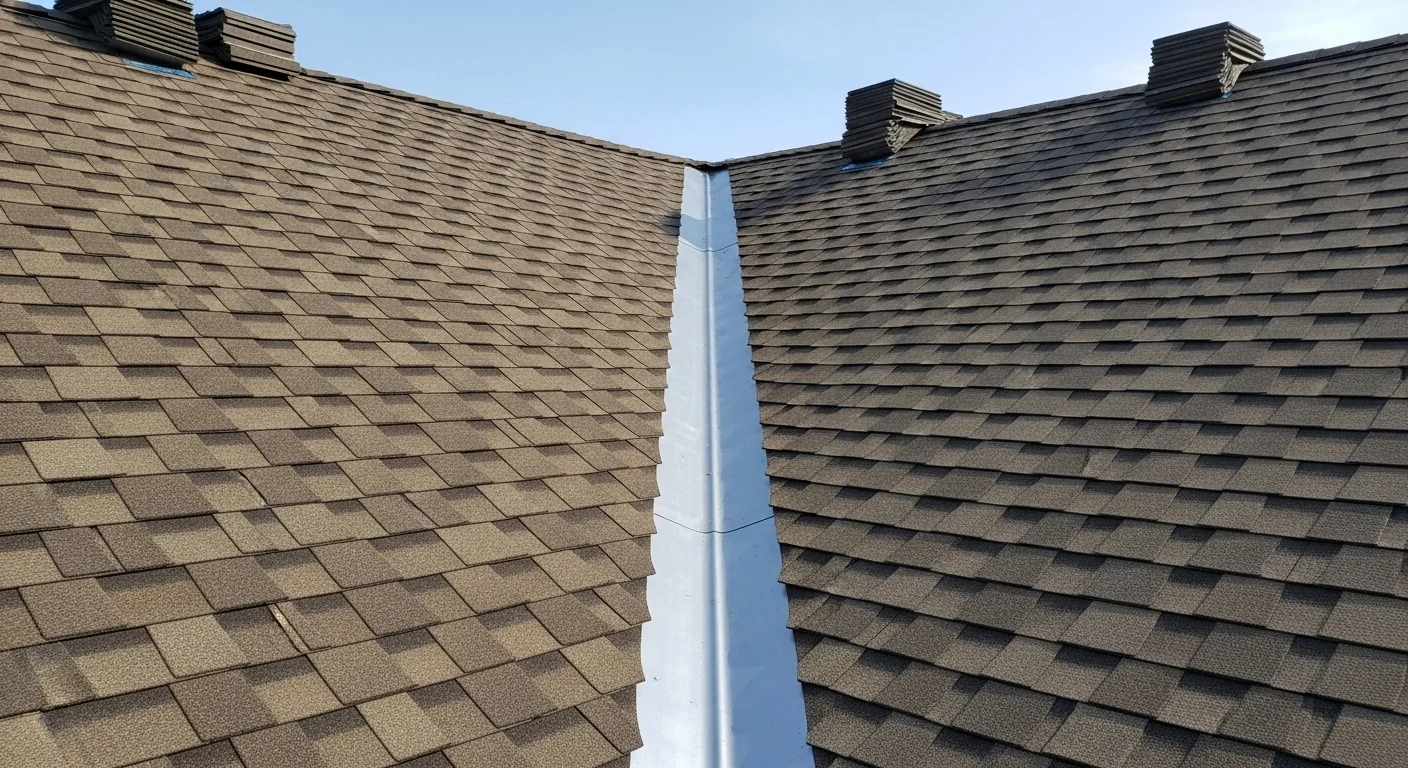
Loose or corroded flashing around chimneys and vents
-
Clogged gutters causing water backup under roofing edges
-
Standing water on flat or low-slope roofs
-
Poor attic ventilation leading to ice dams in winter
While these problems sound simple, they often go unnoticed because damage occurs gradually. By the time interior stains appear, moisture has typically been entering the roof for weeks or months.
The Role of Gutters in Leak Prevention
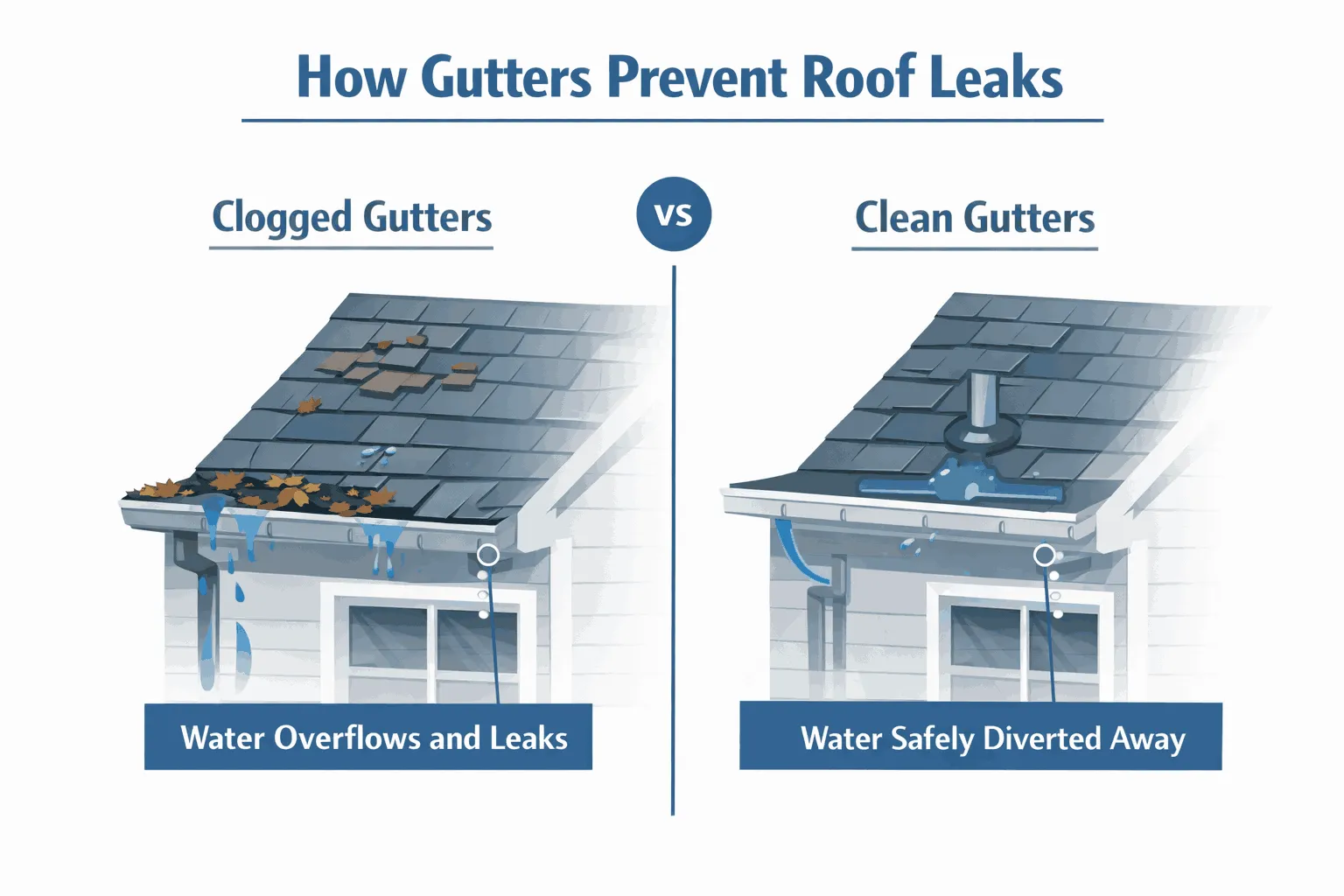
Gutters are often overlooked, yet they play a critical role in roof health. A roofing system depends on fast water removal. When gutters clog, water has nowhere to go except back toward the roof.
In many Long Island neighborhoods filled with mature trees, debris accumulation happens quickly. Overflowing gutters allow moisture to seep beneath shingles and damage fascia boards, siding, and even foundations.
Homeowners should treat gutter maintenance as part of roof care rather than a separate task.
Simple habits that make a big difference include:
-
Cleaning gutters at least twice a year
-
Checking downspouts after heavy storms
-
Ensuring water drains several feet away from the home
-
Installing gutter guards in high-debris areas
These small steps significantly reduce leak risks.
Seasonal Roofing Problems Homeowners Should Expect
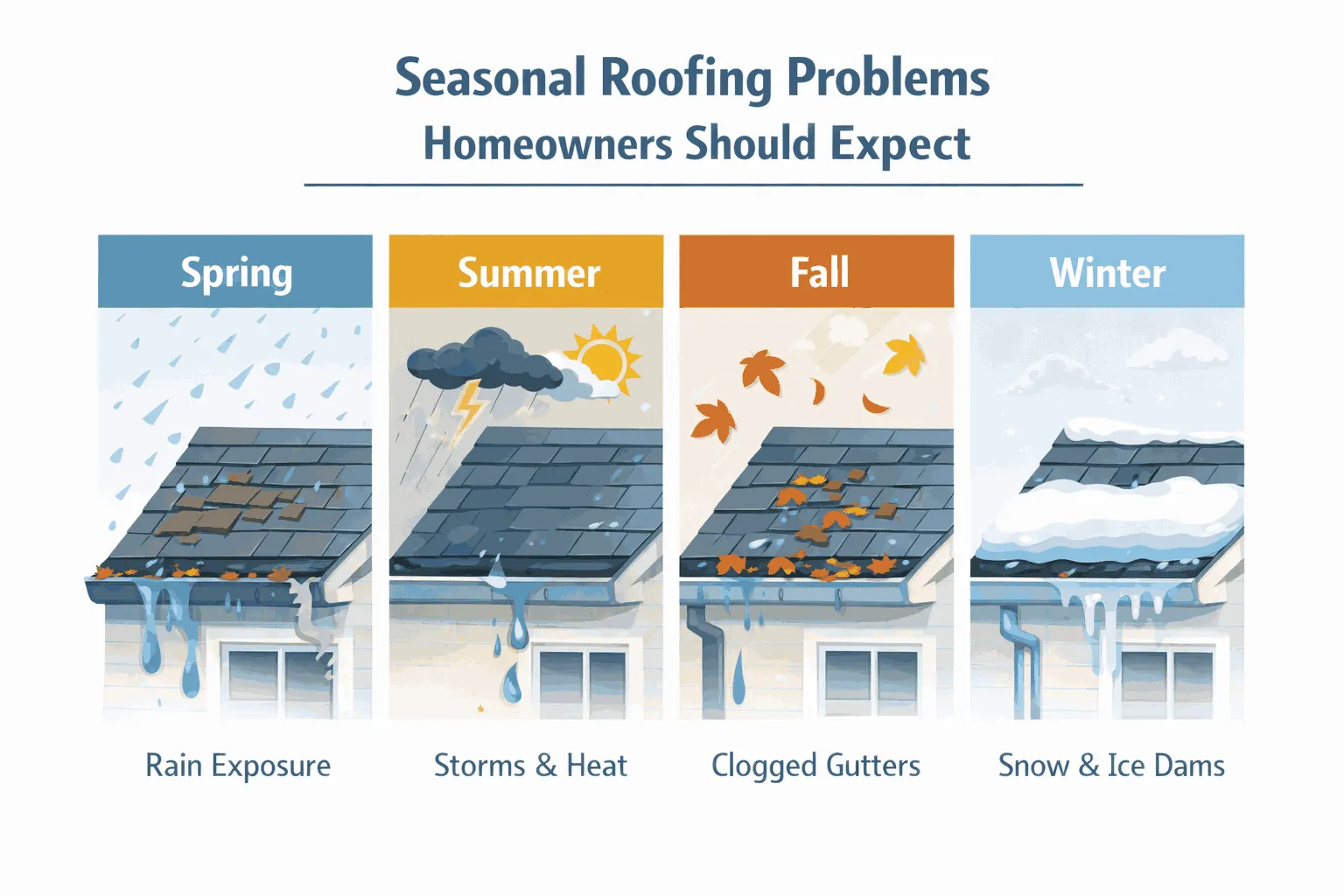
Each season affects roofs differently, which is why prevention must be ongoing instead of occasional.
During spring, melting snow and steady rain expose cracks created during winter freezing. Summer heat expands materials, and sudden storms may loosen shingles without obvious visual damage. Autumn debris traps moisture and accelerates wear, while winter introduces ice dams caused by uneven roof temperatures.
Ice dams are particularly damaging because trapped water is forced upward beneath shingles instead of flowing off the roof naturally. Many winter leaks in Long Island homes originate from poor attic ventilation rather than roofing material failure.
Recognizing seasonal risks allows homeowners to take action before problems escalate.
Warning Signs of a Developing Roof Leak
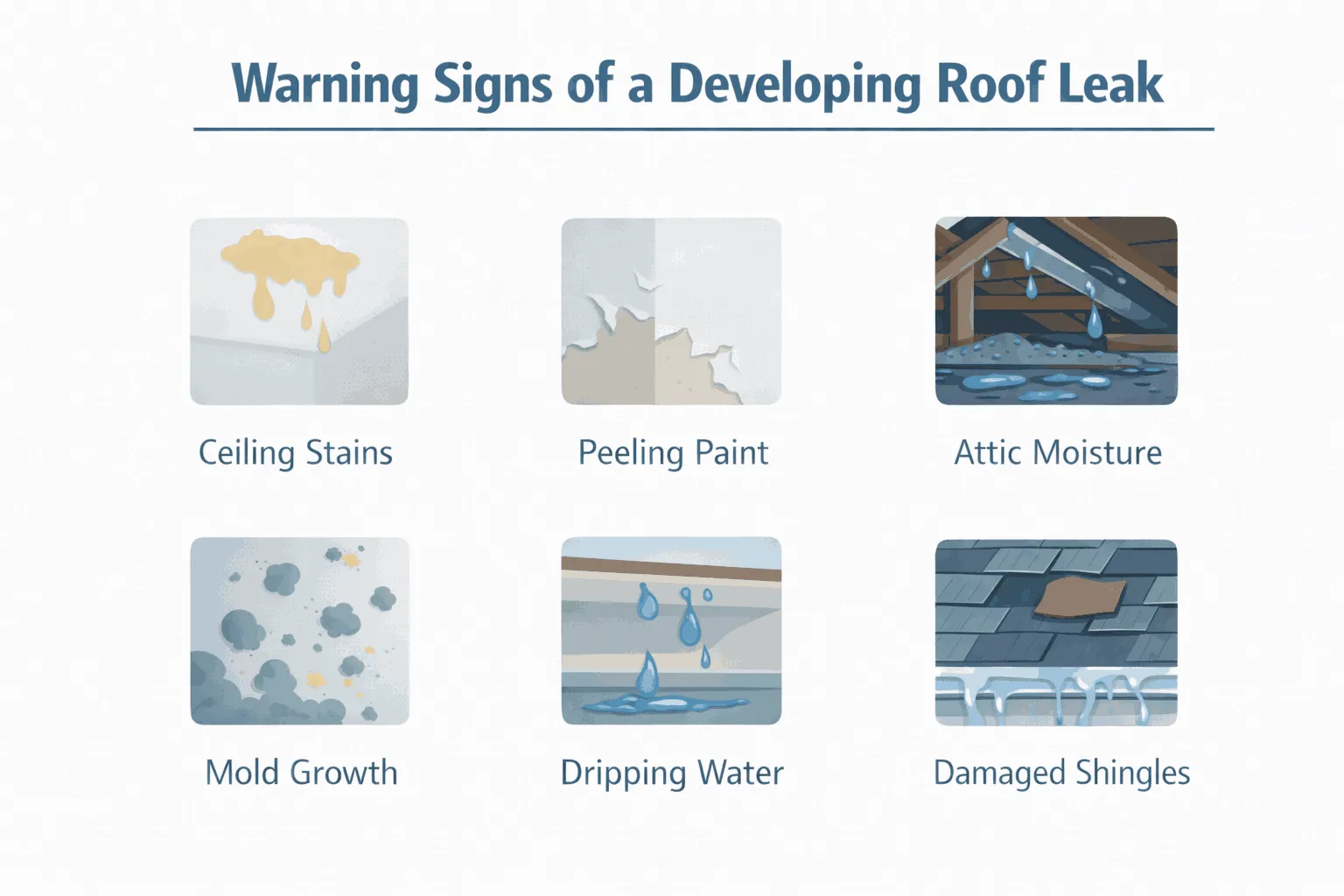
Leaks rarely begin with dripping ceilings. Most roofs give early warning signals that homeowners overlook.
Common indicators include ceiling discoloration, peeling paint near upper walls, or a persistent musty smell in attic spaces. Damp insulation or dark wood stains inside the attic often signal moisture intrusion long before interior damage becomes severe.
If any of these signs appear, scheduling an inspection quickly can prevent costly repairs later.
Preventative Maintenance That Extends Roof Life
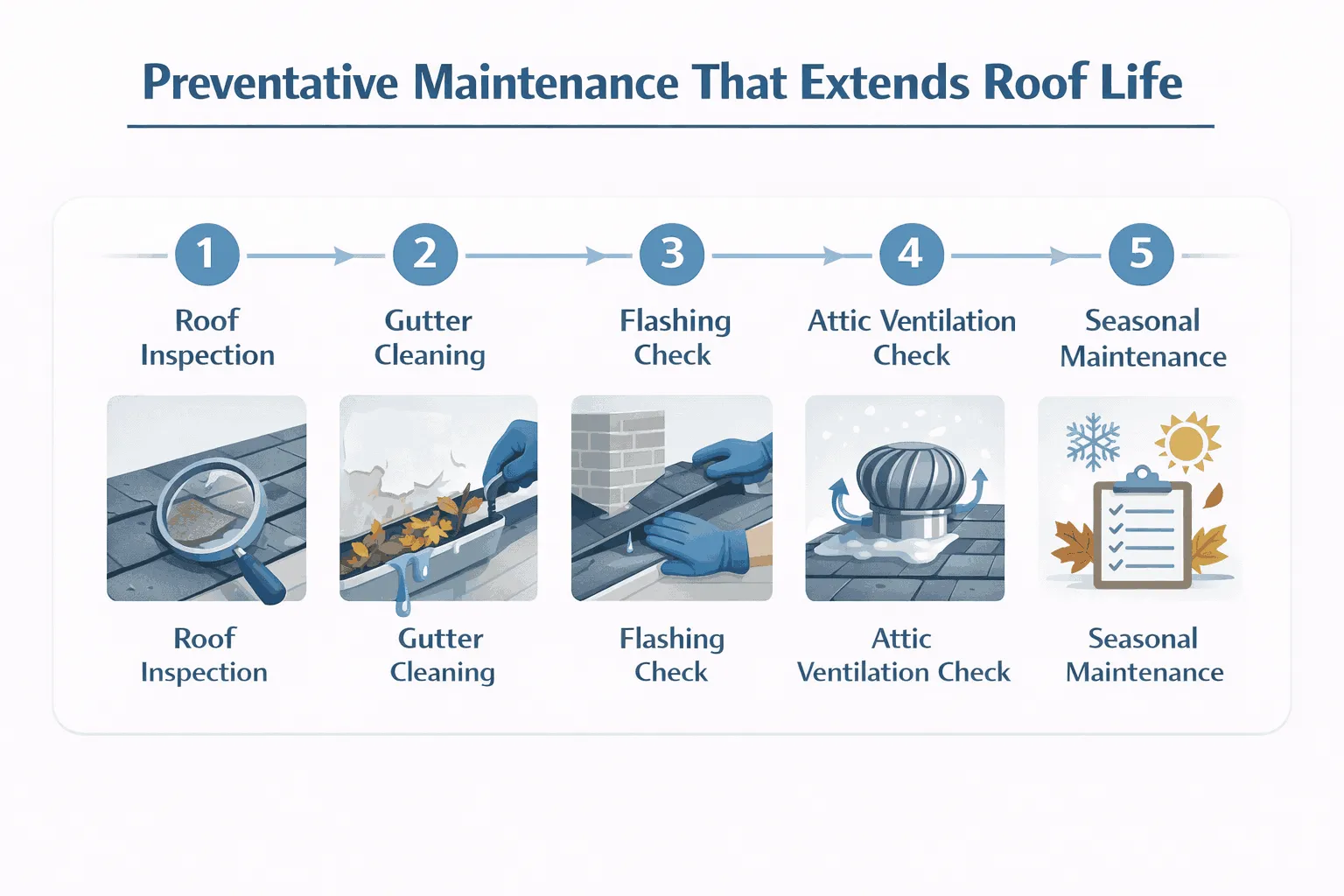
Consistent maintenance remains the most effective way to prevent roof leaks. Rather than waiting for damage, homeowners benefit from proactive care throughout the year.
A strong maintenance approach typically includes:
-
Professional roof inspections in spring and fall
-
Immediate replacement of damaged shingles
-
Regular gutter cleaning and drainage checks
-
Trimming tree branches that hang over the roof
-
Monitoring attic ventilation and insulation performance
These actions may seem minor individually, but together they dramatically improve roof longevity.
Choosing Roofing Materials for Rain-Prone Areas
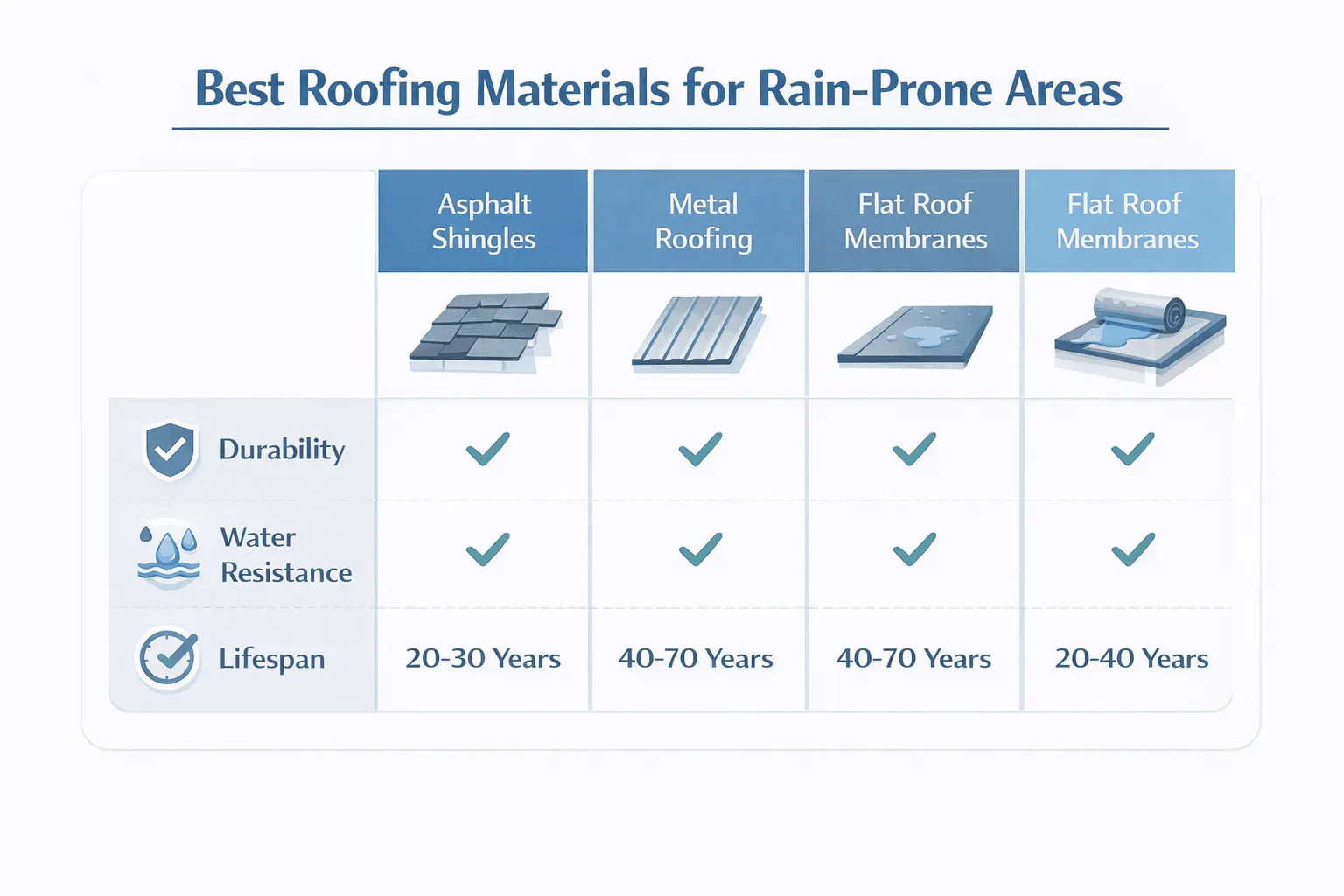
When replacement becomes necessary, selecting the right material can prevent future leak issues. Long Island’s climate rewards roofing systems designed for moisture resistance rather than appearance alone.
Architectural asphalt shingles remain popular due to affordability and durability. Metal roofing offers excellent water shedding and wind resistance, making it increasingly attractive for coastal homes. Flat roofs often benefit from rubber or modified bitumen membranes that provide continuous waterproof coverage.
Professional guidance helps homeowners choose materials suited to local weather conditions.
Why Professional Roofing Services Make a Difference
DIY roof repairs often focus on visible symptoms instead of root causes. Applying sealant to a stain location may temporarily slow leakage but rarely resolves underlying structural vulnerabilities.
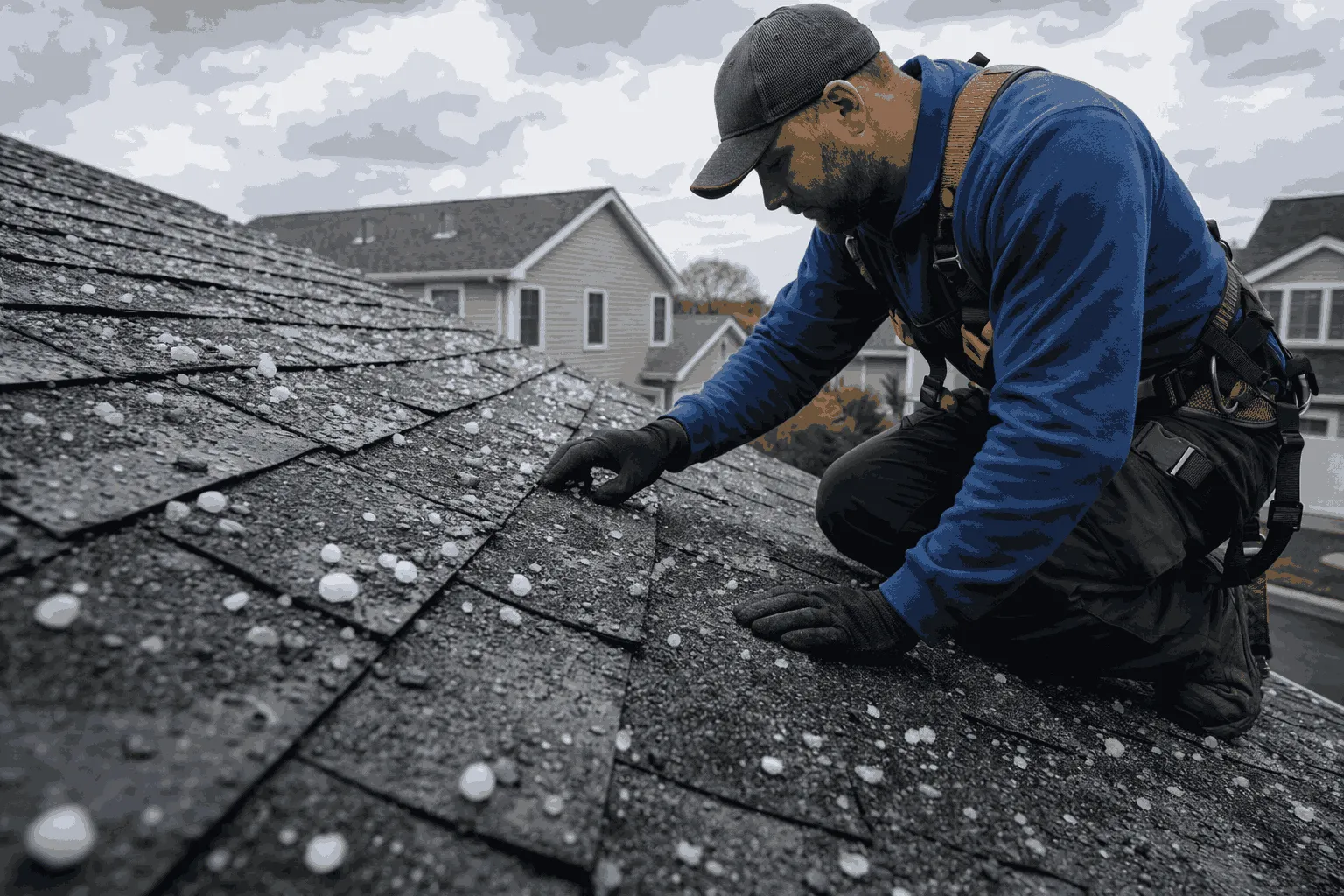
Professional roofers evaluate the entire system, identifying how water moves and where weaknesses exist. They also use proper safety equipment and installation methods designed to withstand regional weather conditions.
Long-term solutions require expertise, especially in climates where moisture exposure is constant.
Why Quick DIY Fixes Often Lead to Bigger Repairs
When homeowners notice signs of a leak, the instinct is often to apply sealant or patch visible damage. While this may temporarily slow water intrusion, it rarely addresses the underlying cause.
Water pathways inside roofing systems are complex. The point where water enters is frequently different from where it becomes visible indoors. Without identifying the source, repairs may fail repeatedly.
Professional roofing technicians use specialized inspection methods to trace moisture movement and correct structural vulnerabilities rather than surface symptoms. Proper repairs restore the integrity of the entire roofing system instead of masking individual issues.
When to Schedule a Roof Inspection
Homeowners should consider professional evaluation under several circumstances:
-
After major storms or high winds
-
When a roof approaches 15–20 years of age
-
Before winter begins
-
After noticing interior moisture signs
-
When buying or selling a home
Regular inspections provide peace of mind and ensure the roofing system remains prepared for seasonal weather changes.
Final Thoughts: Staying Ahead of Roof Leaks in Long Island
Roof leaks are rarely unavoidable disasters. In most cases, they are the result of gradual wear combined with overlooked maintenance. Long Island’s climate simply accelerates this process, making proactive care essential for homeowners who want to protect their investment.
Understanding how moisture affects roofing systems, maintaining proper drainage, addressing aging materials, and relying on professional inspections all contribute to long-term roof performance. A preventative approach not only saves money but also ensures your home remains safe, comfortable, and structurally sound through every season.
Before the next heavy rain or winter storm arrives, taking action today can prevent costly repairs tomorrow. A strong, well-maintained roof remains the most reliable defense against Long Island’s unpredictable weather — and the key to keeping your home dry year after year.