Rain can cause unwanted delays in a roofing project and becomes a serious concern especially when you’re getting a new roof installed. Indeed, more than 59% of homeowners are worried about weather interference. Though rain can make surfaces slippery and harm roofing materials, you don’t need to worry because professional roofers are prepared to manage such situations. They have protective plans for your house to keep it safe and ensure that the roofing project will be on track, even with the worst weather. So, let’s learn about how rain affects roofing projects and how professionals handle it.
Understanding how rain affects roofing projects—and how experienced roofers mitigate those risks—can help homeowners feel confident even when weather conditions are unpredictable. This guide explains whether roofing can be done in the rain, the risks involved, how contractors protect homes, and what homeowners should do if leaks occur during heavy rainfall.
Can You Install a Roof in the Rain?
Installing a roof during rainfall is generally not recommended. Roofing materials such as asphalt shingles, underlayment, sealants, and adhesives are designed to be installed on dry surfaces to ensure proper bonding and long-term performance. When rain is present, moisture can prevent shingles from sealing correctly, which may lead to premature failure, wind uplift, and leaks.
Professional roofers typically pause installation when rain begins. While waiting for clear weather may feel inconvenient, it is essential for protecting the integrity, lifespan, and warranty of the roof. Proper installation under the right conditions ensures that the roofing system performs as intended for years to come.
How Rain Impacts Roof Installation
Rain affects roofing projects in several important ways, from safety concerns to material performance and structural risks.
Project Delays and Scheduling Adjustments
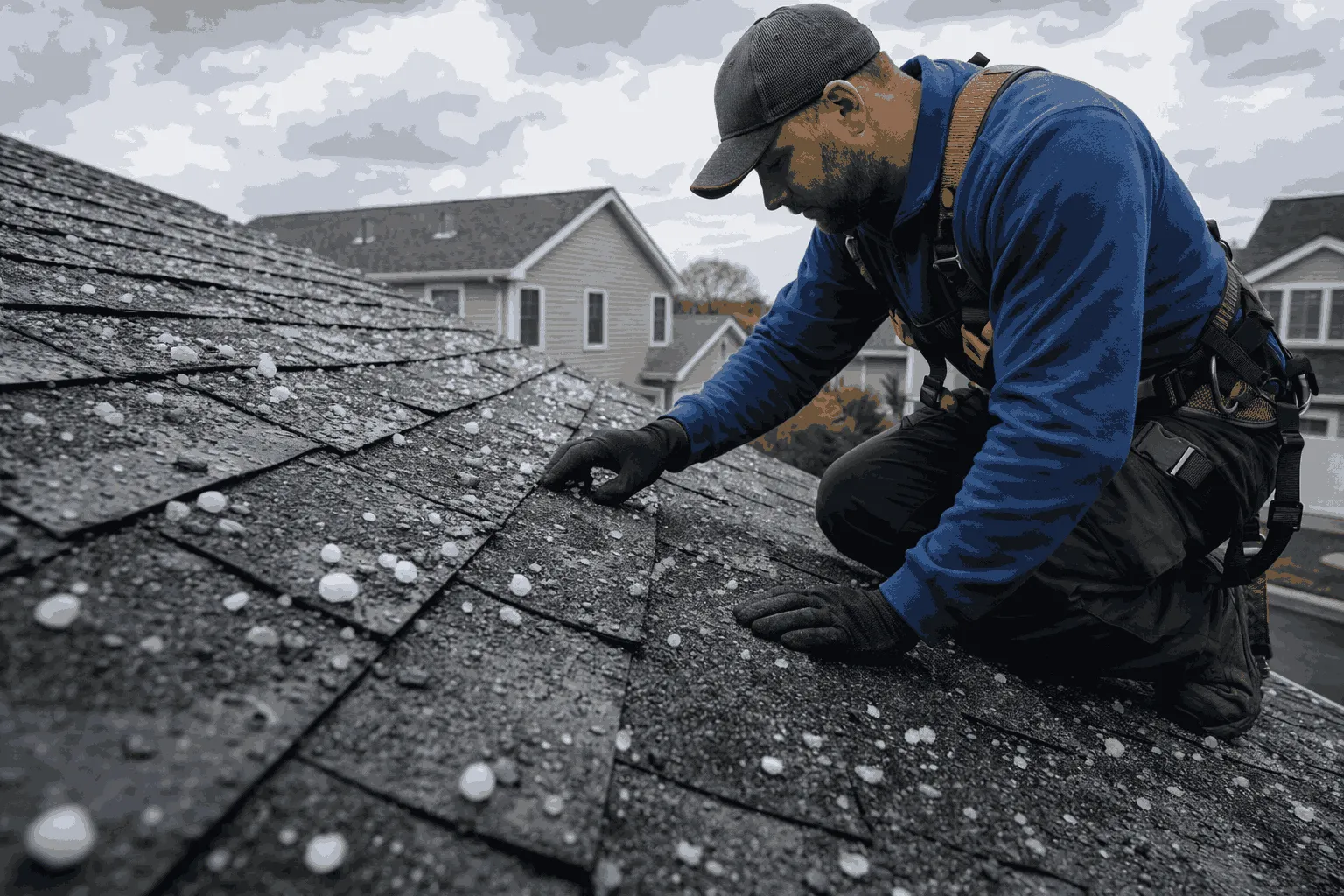
Rain can disrupt roofing schedules unexpectedly. Wet surfaces increase the risk of slips and falls, making it unsafe for workers to continue. Additionally, roofing materials such as shingles and underlayment can be damaged if installed while wet.
Professional contractors monitor weather forecasts closely and plan installations during favorable conditions. While delays may occur, these adjustments are made to preserve workmanship quality and protect both workers and the home.
Risk of Water Damage
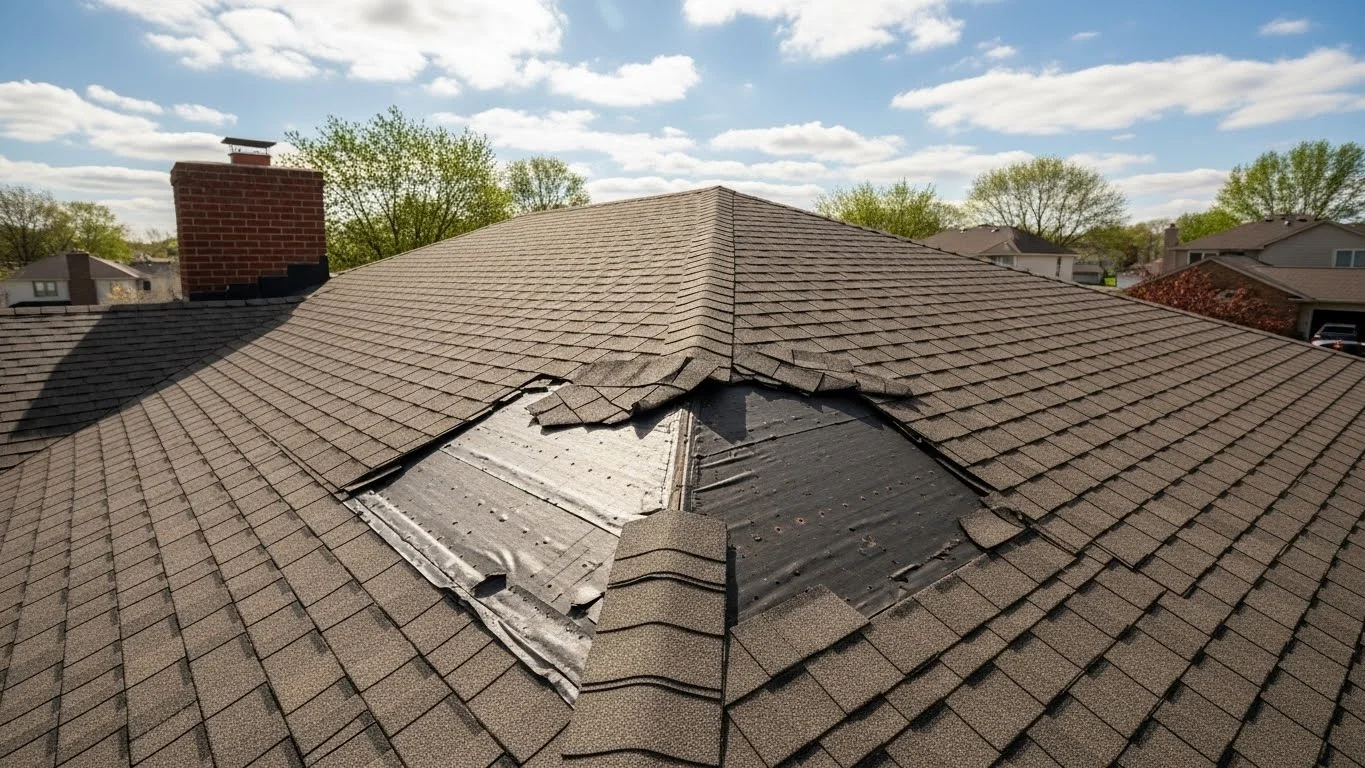
Continuing roofing work during rain significantly increases the risk of water intrusion. Moisture can penetrate exposed roof decking, insulation, and framing, leading to:
-
Mold and mildew growth
-
Wood rot and structural weakening
-
Interior ceiling and wall damage
-
Reduced insulation effectiveness
Even small amounts of trapped moisture can cause long-term problems that may not become visible until months later. Delaying installation until dry conditions return is often the safest and most cost-effective decision.
Worker Safety Concerns
Safety is a top priority on any roofing job. Wet roofs are extremely slippery, increasing the risk of falls. Rain also makes tools harder to grip and creates hazards when using electrical equipment.
Professional roofers follow strict safety protocols and will stop work when conditions become unsafe. Waiting for dry weather allows crews to work efficiently and reduces the likelihood of injuries.
How to Stop a Roof Leak During Heavy Rain
A leaking roof during a rainstorm can be stressful, but there are steps homeowners can take to minimize damage until professional help arrives.
Identify the Leak Source
Inspect the attic and ceilings for water stains, damp insulation, or active drips to locate where water is entering.
Temporary Protection
Cover the affected area with a tarp or plastic sheeting if it can be done safely. This is a short-term solution designed to limit water entry.
Check Gutters and Downspouts
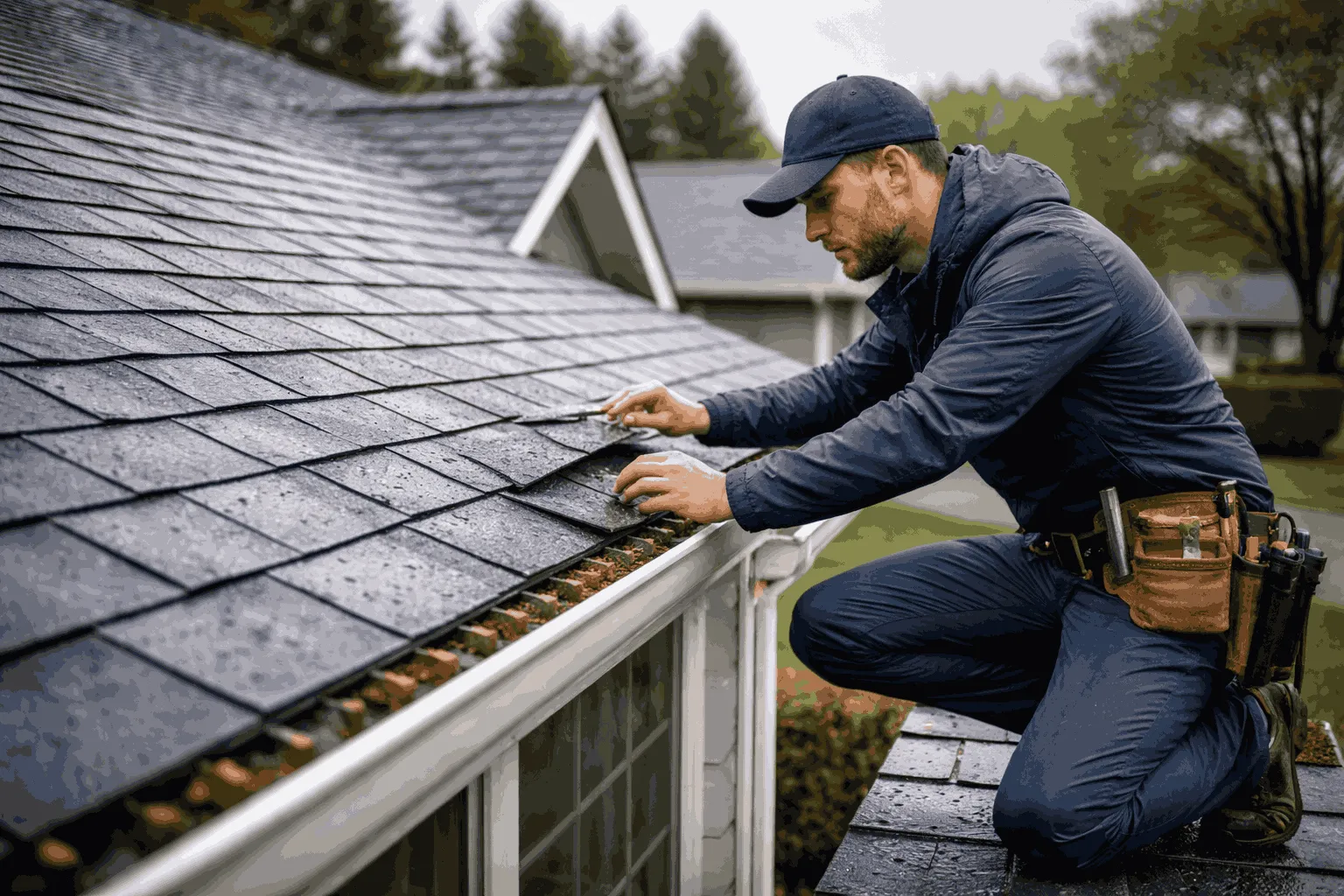
Clogged gutters can cause water to overflow and seep under roofing materials. Keeping gutters clear helps direct water away from the roof.
Use Sealants for Minor Issues
Roof sealants may temporarily seal small cracks or holes, but they should only be used as an emergency measure and with proper materials.
Contact a Professional Roofer
If the leak persists or the source is unclear, contacting a roofing professional is the safest option for a permanent repair.
How Long Does Roof Coating Need to Dry Before Rain?
Drying times for roof coatings vary depending on material type, temperature, humidity, and sunlight exposure:
-
Acrylic coatings: Typically require 8–12 hours to dry
-
Silicone or elastomeric coatings: May require 20+ hours to fully cure
-
Sun-exposed conditions: Cure time generally ranges from 10–20 hours
Rain, high humidity, or low temperatures can significantly slow the curing process. Always follow manufacturer guidelines to ensure proper performance and adhesion.
Can You Seal a Roof in the Rain?
Applying roof sealant during rain is not recommended. Moisture prevents proper adhesion and can trap water beneath the sealant, increasing the risk of leaks later. In emergency situations, roofers may temporarily tarp the roof to control moisture and use quick-drying products—but permanent sealing should always be done in dry conditions.
Homeowners should avoid attempting DIY repairs during rain and consult professional roofers for safe and effective solutions.
Can You Shingle a Roof in the Rain?
Shingling a roof in rainy conditions is unsafe and ineffective. Shingles require dry surfaces to bond properly. Installing shingles while wet can lead to poor adhesion, loose shingles, underlayment damage, and future leaks. Professional roofers typically cover exposed roofs with waterproof underlayment or tarps and wait for dry weather before continuing.
How Professional Roofers Protect Your Home During Rain
Experienced roofing contractors take proactive steps to safeguard homes during unexpected weather changes.
Use of Tarps and Temporary Covers
Heavy-duty waterproof tarps are securely fastened over exposed areas to block rain and wind. These covers are designed to withstand heavy rainfall until work resumes.
Proper Drainage Management
Roofers ensure that water can drain away from the structure by keeping gutters clear and maintaining proper slope and runoff paths.
Weather Monitoring
Contractors closely monitor weather forecasts and adjust schedules to minimize exposure to rain and storms.
Best Practices When Roofing Work Encounters Rain
When rain interrupts a roofing project, professional roofers adapt by prioritizing safety and material protection:
-
Using slip-resistant footwear and safety harnesses
-
Securing tools and materials to prevent water damage
-
Installing moisture-resistant temporary barriers
-
Pausing work when conditions compromise quality or safety
These practices ensure that the final roofing system remains durable, safe, and properly installed.
Conclusion
Rain can significantly impact roofing projects, from delaying timelines to increasing safety risks and potential water damage. Even light rainfall during roof installation can compromise materials and workmanship if not managed properly.
However, professional roofing contractors are trained to handle weather-related challenges. Through careful planning, protective coverings, and strict safety protocols, they work to protect your home and investment. By waiting for proper conditions and using proven methods, roofers ensure that your new roof performs reliably and lasts for many years to come.