A leaky roof is one of the most costly and stressful problems a homeowner can face. What makes roof leaks especially dangerous is that they often remain hidden for long periods, silently damaging the structure of a home before obvious symptoms appear. Although roofing systems typically account for only a small portion of total construction costs, roofing failures are responsible for more than 70% of water intrusion–related construction lawsuits, most of which stem from undetected or poorly addressed leaks.
Roof leaks rarely begin as dramatic water drips. In most cases, they start as minor vulnerabilities—small gaps, deteriorated materials, or drainage issues—that allow water to enter slowly. Over time, that moisture spreads into insulation, framing, ceilings, and walls, leading to rot, mold growth, and expensive repairs.
Understanding the hidden causes of roof leaks and learning how to identify early warning signs is critical to maintaining your roof and protecting your home from long-term damage.
Why Roof Leaks Are Often Difficult to Detect
One of the biggest challenges with roof leaks is that water does not always travel in a straight line. Rainwater can enter through one point on the roof, then move along rafters, trusses, or insulation before appearing inside the home. This means the visible damage is often far from the actual source of the leak.
Additionally, attic insulation can temporarily absorb moisture, delaying visible signs until the insulation becomes saturated. By the time water stains or ceiling damage appear, moisture may have already compromised structural components such as wood framing or drywall.
This delayed visibility is why routine inspections and preventative maintenance are so important.
Signs of Hidden Roof Leaks
Hidden roof leaks often present subtle warning signs that homeowners should never ignore.
Water stains on ceilings or walls—usually yellow, brown, or rust-colored—are one of the most common indicators. These stains often appear in irregular shapes and may grow over time. A persistent musty odor inside the home can signal mold or mildew growth caused by trapped moisture.
Peeling or bubbling paint and wallpaper are also common signs, as moisture builds behind interior finishes. Sagging ceilings or rooflines may indicate prolonged water accumulation, which can weaken structural materials. In some cases, homeowners may hear dripping or splashing sounds during rainfall even when no visible leak is present.
Any of these signs should prompt immediate investigation.
Common Hidden Causes of Roof Leaks
Understanding the most common hidden causes of roof leaks allows homeowners to address problems early before they escalate into major repairs.
Clogged Gutters
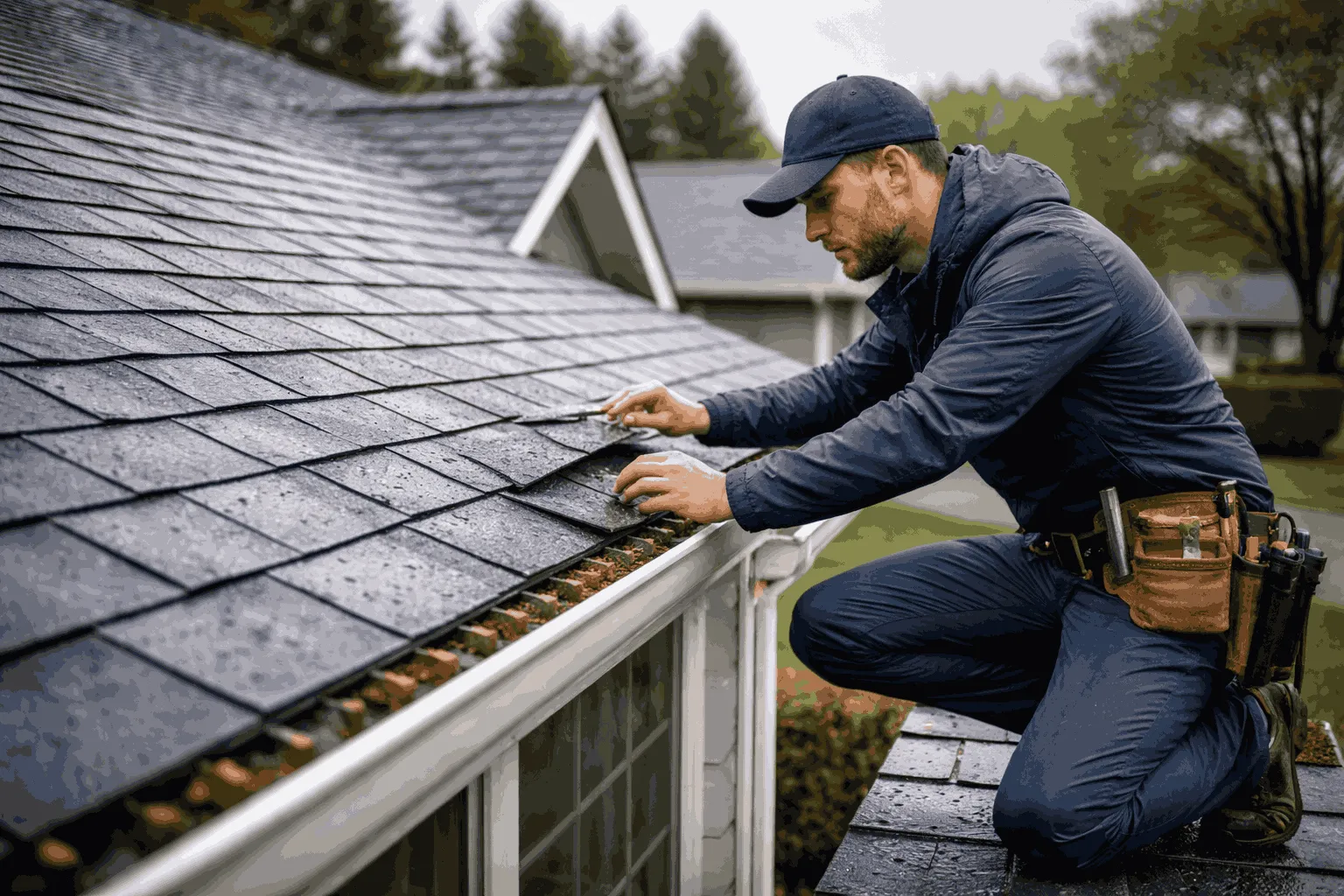
Clogged gutters are one of the leading causes of roof leaks. When gutters fill with leaves, dirt, and debris, water cannot drain properly. Instead, it overflows and backs up under the roofing materials. Over time, this constant moisture exposure deteriorates shingles, fascia boards, and roof decking.
Regular gutter cleaning and proper downspout alignment are essential to prevent water from being forced back onto the roof.
Damaged or Deteriorated Flashing
Flashing is designed to seal vulnerable areas of the roof, such as where the roof meets walls, chimneys, skylights, and vents. When flashing becomes corroded, cracked, or improperly installed, water can easily penetrate these joints.
Flashing failures often occur gradually and may not be visible from the ground. Annual inspections can help detect early signs of wear before leaks develop.
Cracked Chimneys and Mortar Joints
Chimneys are common sources of roof leaks due to their exposure to weather and temperature fluctuations. Over time, mortar joints can crack or erode, allowing water to seep inside. Small cracks may not seem serious at first but can widen and worsen with freeze-thaw cycles.
Installing chimney caps, applying waterproof sealants, and repairing damaged mortar can significantly reduce the risk of leaks.
Broken, Loose, or Missing Shingles
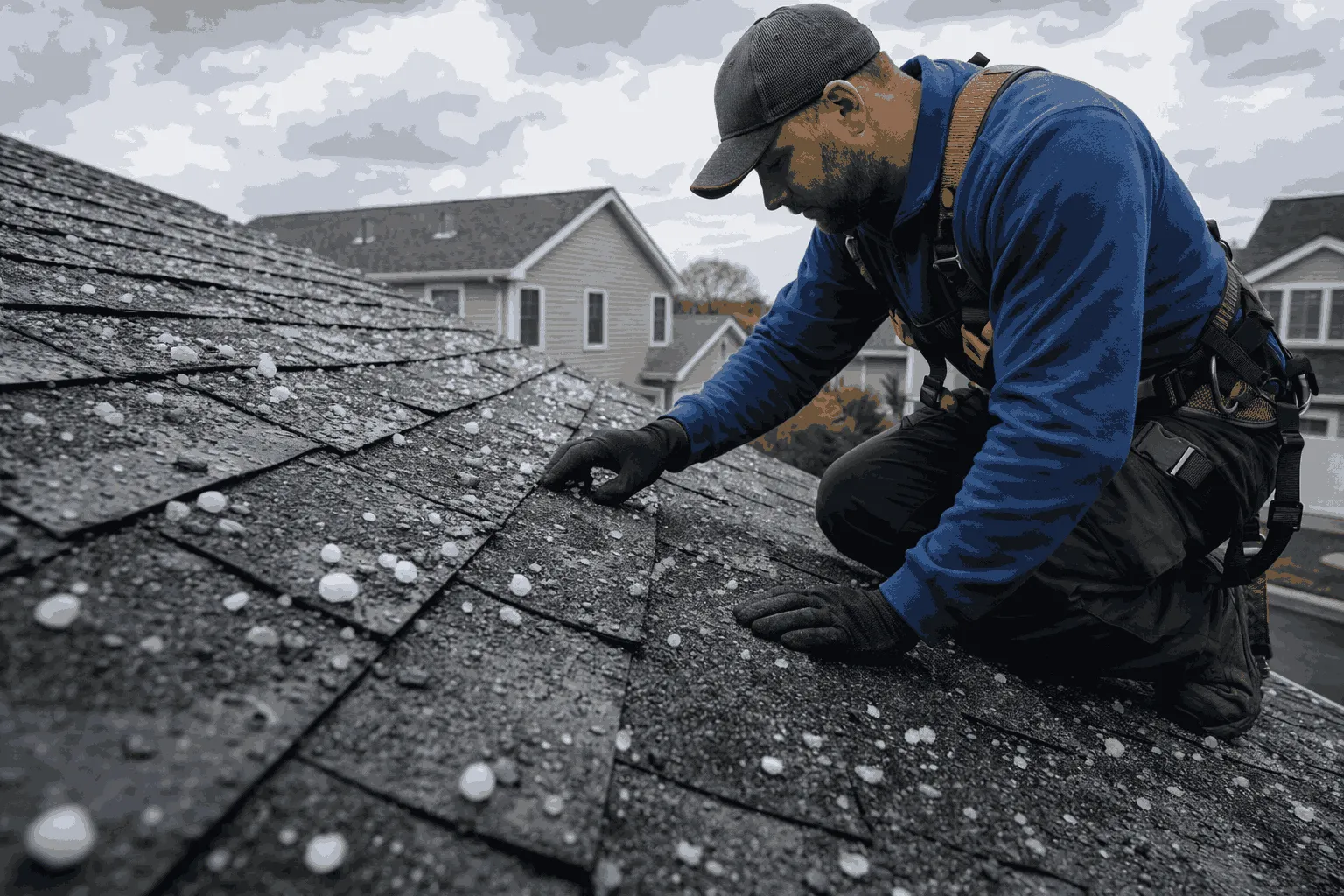
Shingles are the roof’s first line of defense against water. When shingles are cracked, loose, or missing, the underlying roof deck becomes exposed to moisture. Wind, hail, falling debris, and aging materials are common causes of shingle damage.
Routine inspections—especially after storms—help identify compromised shingles before they lead to leaks.
Valley Seal Failure
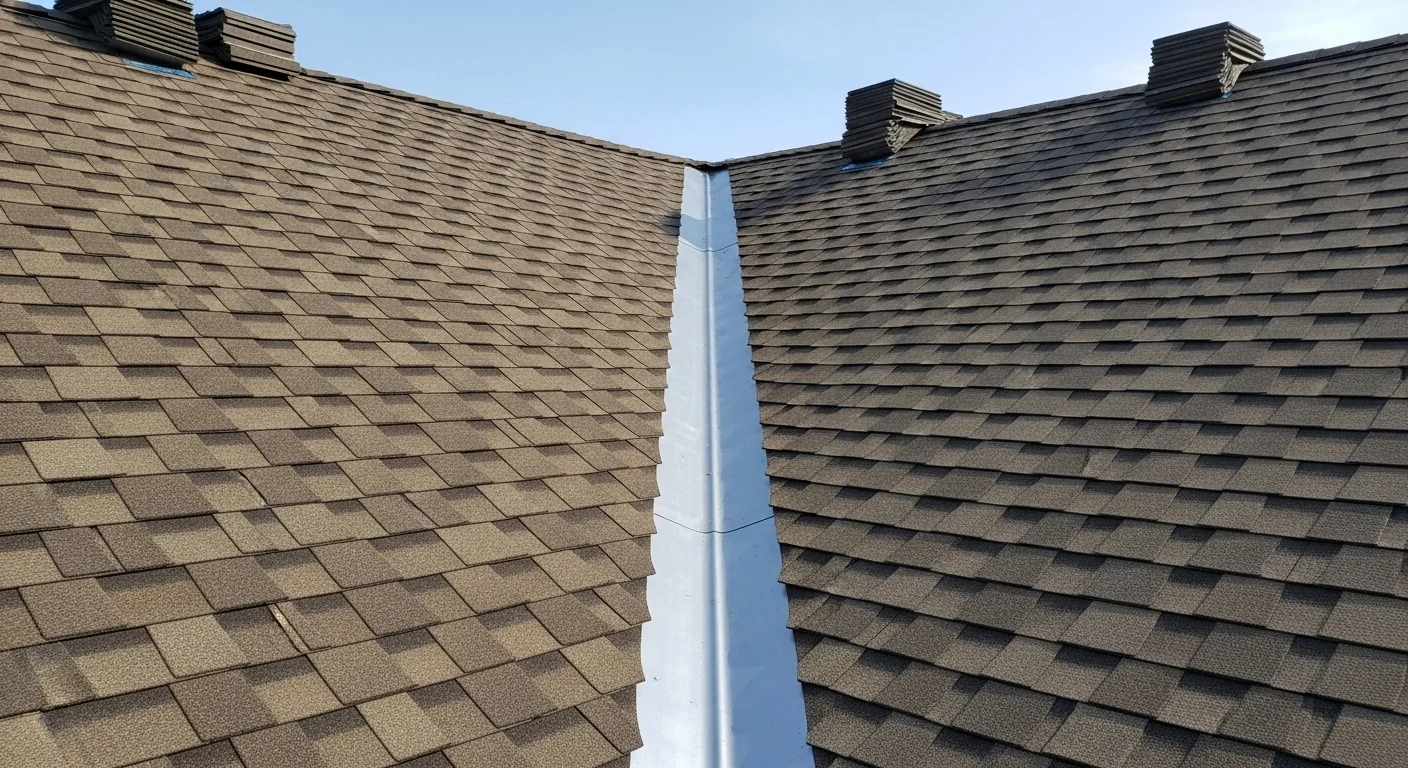
Roof valleys direct large volumes of water off the roof. Because of this heavy flow, valleys are especially vulnerable to leaks. If seals in the valley area deteriorate or debris accumulates, water can seep beneath the roofing material.
Keeping valleys clear and ensuring proper sealing is essential for preventing water intrusion in these critical areas.
Improperly Installed or Driven Nails
Nails that are overdriven, underdriven, or installed at incorrect angles can create small openings in the roof system. While these penetrations may not cause immediate leaks, they allow water to enter over time, gradually weakening the roof deck.
Poor workmanship during installation is a frequent cause of long-term roofing issues.
Aging Roofing Materials
All roofing materials have a finite lifespan. Asphalt shingles generally last around 20–30 years, while metal, tile, and slate can last much longer. As materials age, they lose flexibility and resistance to moisture.
Older roofs are more prone to cracks, curling, and seal failure, increasing the likelihood of leaks if not properly maintained or replaced when necessary.
The Role of Weather in Roof Leaks
Weather conditions play a major role in both initiating and worsening roof leaks.
Ice Dams
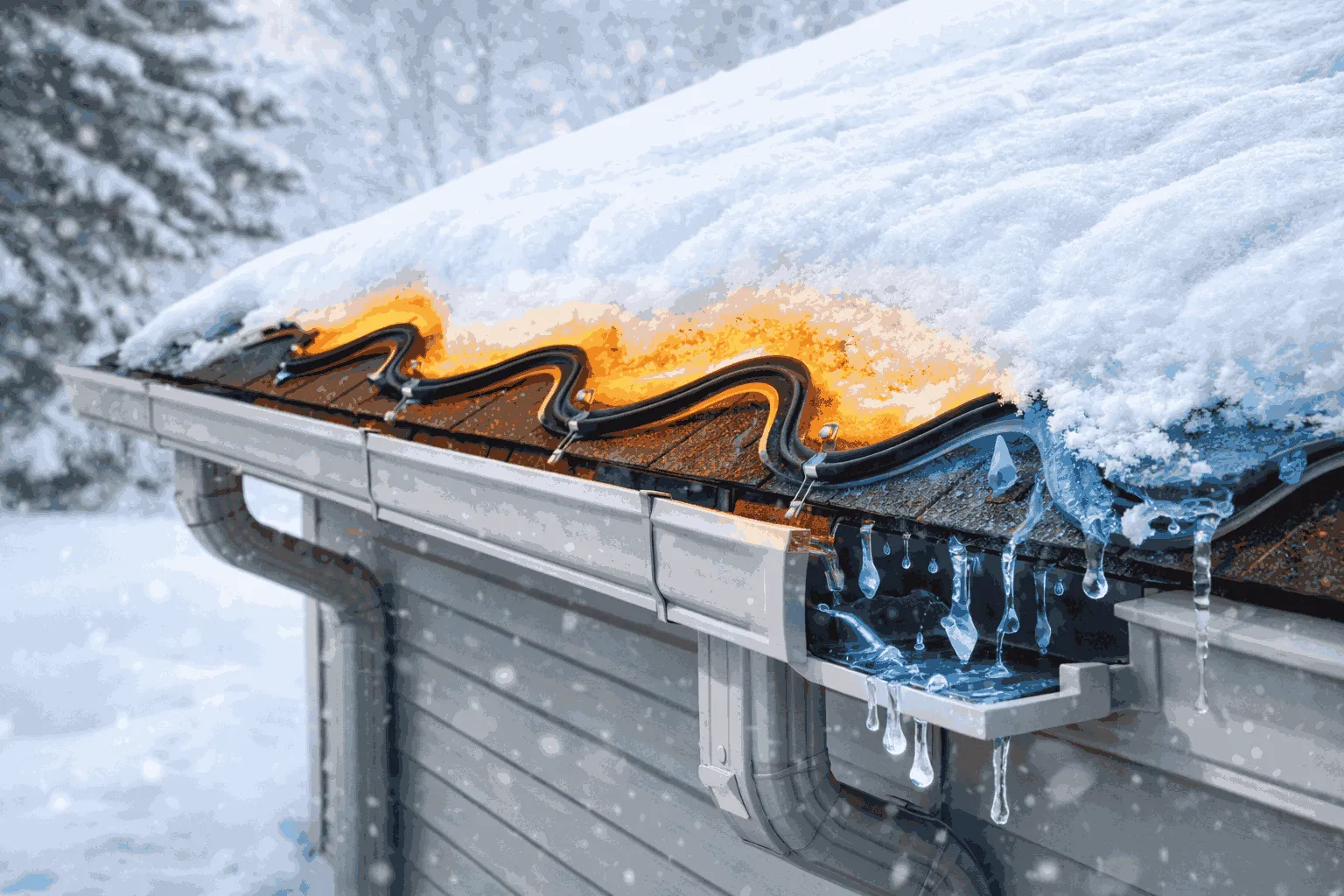
Ice dams form when heat escapes from the home and melts snow on the roof. As the water flows downward, it refreezes at the roof’s edge, creating a barrier that traps water behind it. This trapped water can seep beneath shingles and enter the home.
Proper attic insulation, ventilation, and timely snow removal are key to preventing ice dam formation.
Heavy Rain and Storm Damage
Intense rainstorms can overwhelm drainage systems, especially if gutters are clogged or improperly pitched. Strong winds can lift shingles, dislodge flashing, and expose vulnerable areas to water infiltration.
Regular inspections after severe weather help catch damage before leaks become severe.
Sun Exposure and Heat Damage
Prolonged sun exposure causes roofing materials—especially asphalt shingles—to dry out and become brittle. Daily temperature changes cause expansion and contraction, which can lead to cracks, gaps, and seal failure over time.
Heat-related damage often contributes to leaks that appear gradually rather than suddenly.
Preventive Measures to Reduce Roof Leak Risk
Preventing roof leaks is far more cost-effective than repairing water damage after it occurs. Homeowners can take several proactive steps to protect their roofs.
-
Schedule professional roof inspections at least once a year
-
Clean gutters regularly and consider installing gutter guards
-
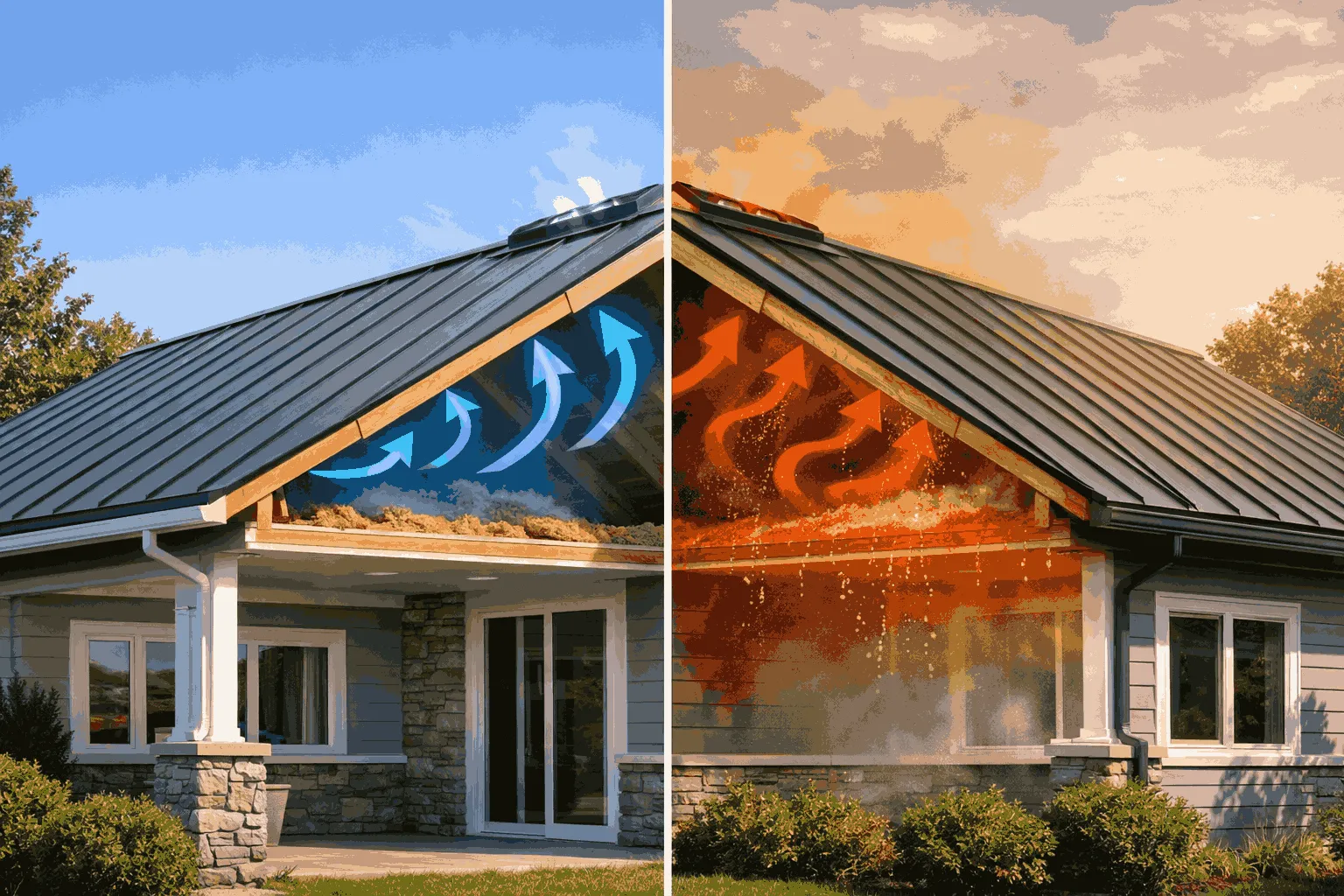
Ensure proper attic ventilation to reduce moisture buildup
-
Install high-quality flashing around chimneys, vents, and roof intersections
-
Trim overhanging tree branches to prevent impact damage and debris buildup
-
Address minor issues such as loose shingles or deteriorated sealant immediately
These preventative measures help extend the lifespan of the roof and reduce the likelihood of hidden leaks.
Conclusion
Roof leaks are rarely sudden disasters—they are usually the result of small, overlooked issues that worsen over time. Weather exposure, aging materials, poor drainage, and installation flaws all contribute to hidden roof leaks that can cause extensive damage if left unchecked.
By recognizing early warning signs, understanding common causes, and committing to regular maintenance, homeowners can significantly reduce the risk of leaks and avoid costly repairs. A well-maintained roof not only protects your home from the elements but also preserves its structural integrity and long-term value.
Proactive care and timely repairs are the most effective ways to ensure your roof continues to perform as intended—keeping your home dry, safe, and secure.
FAQs
How does cracked flashing lead to roof leaks?
Cracked flashing, which is used to seal joints to reduce water penetration into the roof structure can damage as a result of corrosion or improper installation, leading to water seepage into the roof and development of roof leaks. Therefore, early detection will mitigate the damage incurred.
Why are broken shingles a concern for roof integrity?
If there are cracked or missing shingles, the underlying roofing is exposed and vulnerable to the elements. This can cause water to penetrate and cause roof leaks if not addressed promptly. Over time, the exposed areas may also weaken due to prolonged sun damage, worsening the issue.
What role does poor ventilation play in causing roof leaks?
It’s a known fact that excessive moisture accumulation in the attic due to poor ventilation can weaken the roofing material and encourage mold growth, which in turn causes roof leaks. In addition, inadequate ventilation also contributes towards a shorter lifespan of the whole roofing system.
How can blocked gutters contribute to roof leaks?
Water pools at the surface of the roof when debris clogs the gutters making it difficult for water to drain. Stagnant water has a higher chance of leakage because it can seep through the seams and joints in the roofing material. Eventually, the edge of the roof and the fascia are also affected by the water damage.