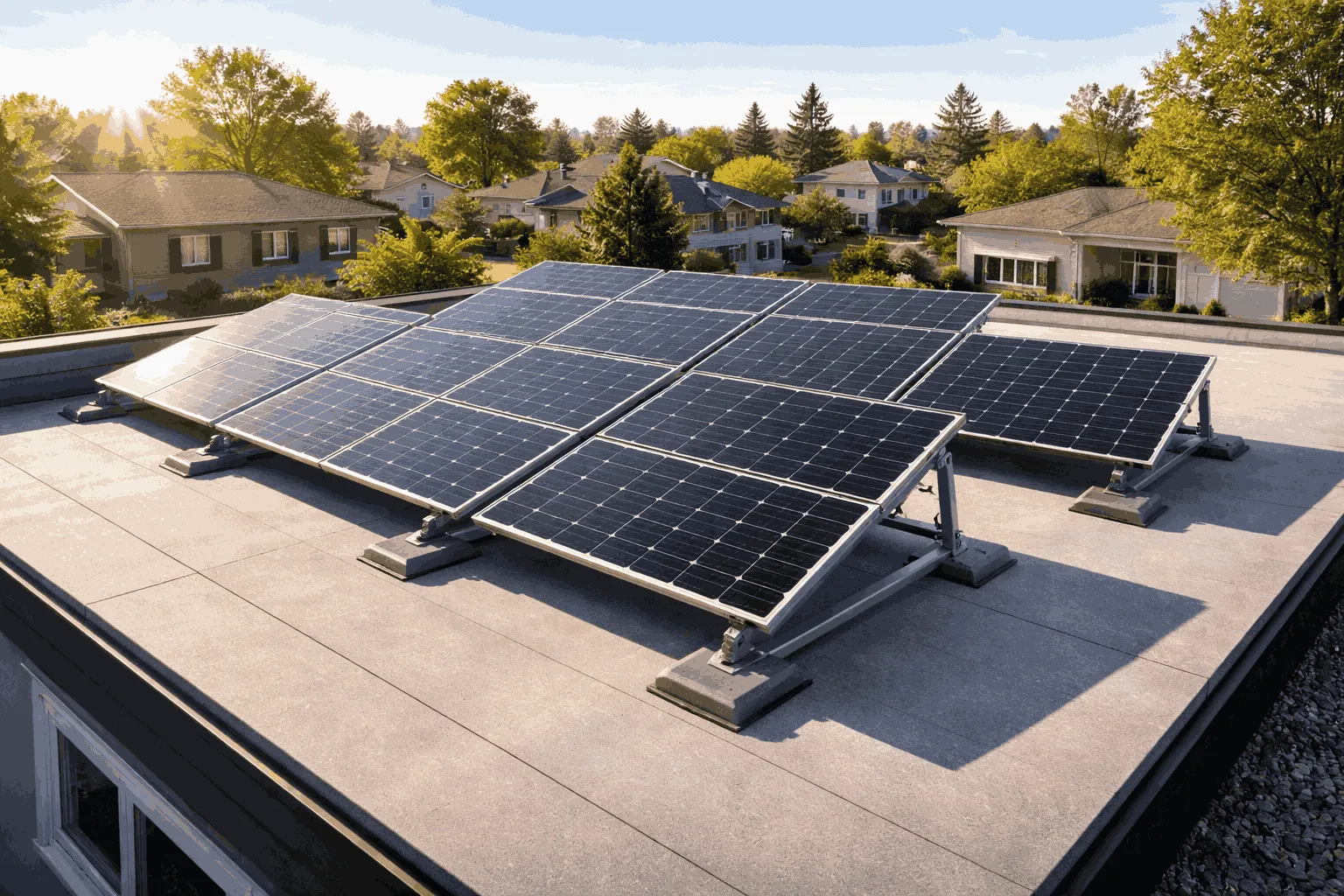
Regular flat roof maintenance is critical to its durability and home protection. The most common type of roof, flat roofs, offer architectural appeal and efficient use of space, but they require special care because of their unique structural differences. Flat roofs are a unique type of roof structure defined in that their slope is almost negligible compared to the more standard sloped roof structures. Despite their flat appearance, they have a gentle pitch (typically 5 to 15 degrees), which helps water drain off the structure and not pool. Flat roofs are commonly used in drier climates and commercial structures; they provide extra space for HVAC systems, solar panels, or even gardens on the roof. However, their low slope can create potential water pooling, so Maintenance is necessary to avoid roof leaks and structure renovations. Our ultimate guide covers everything you need to know about keeping your flat roof in top condition to prevent the repair fees of a flat roof gone wrong.
Design and Construction of Flat Roofs
A flat roof is constructed using key components that all work together to help ensure a durable and functional product:
Decking: This is the lower-level structure of the roof, usually composed of wood, steel, or concrete. It is the base on which other roofing materials are placed.
Insulation: Mounted over or under the decking, insulation assists in controlling indoor temperatures and improving energy efficiency.
Vapor Barrier: Acts as a barrier against moisture moving through the insulation and decking, protecting it from potential damage.
Built-Up Roofing (BUR): Multiple layers of bitumen and reinforcing fabrics provide durable protection.
Single-Ply Membranes: Sheets of rubber or plastic materials (EPDM (rubber), TPO (thermoplastic).
Surface Layer: Gravel or reflective coating is sometimes spread over the roofing membrane to protect it from ultraviolet rays and physical wear.
Advantages of Flat Roofs
Flat roofs have advantages, which is why they are a popular choice for certain building types and climates:Flat roofs generally need less materials and labor for installation than pitched roofs, leading to lower construction costs. The flat surface can be used for multiple functions, including HVAC systems, solar panels, rooftop gardens, and patios, increasing the usable square footage of the building. Flat roofs have a modern, minimalist look that first aligns with current aesthetic trends.
Challenges and Other Maintenance Challenges
Unlike the most popular roof types, flat roofs have unique benefits and some challenges, mainly on the water drainage side:Flat roofs tend to accumulate water because of their minimal slope, which can cause leaks and structural damage if not appropriately drained over time. Pickard roofing. Regular inspections and Maintenance are essential to identify and address potential issues such as membrane punctures, seam separations, and blocked drainage. Flat roofs tend to have shorter lifespans relative to pitched roofs as, depending on materials and Maintenance, they may last from 10 to 30 years。
Maintenance of Flat Roofs Best Practices
Here are some standard maintenance practices for a flat roof that contribute to its longevity and performance:
Routine Inspections: Inspect your roof at least semiannually, preferably in the spring and fall and after severe weather. Check for signs of damage, such as cracks, blisters, or punctures in the roofing membrane, and make sure flashing around roof penetrations is intact.
Take Action Promptly Fix small issues right away so you can avoid them becoming more significant problems. What to look for: Small cracks, holes, or punctures. For more extensive damage, call upon a roofing professional for proper repairs.
Check Drainage: Ensure all drainage systems, such as gutters, downspouts, and internal drains, are clear of debris and functioning properly. Run water through the drains periodically to test whether water flows without obstruction.
Vegetation Control Prevent the growth of moss, algae, or other vegetation on the roof surface, as they can retain moisture and degrade roofing materials. Moss: Remove carefully, ideally using these specific roof cleaning products or having professionals handle it.
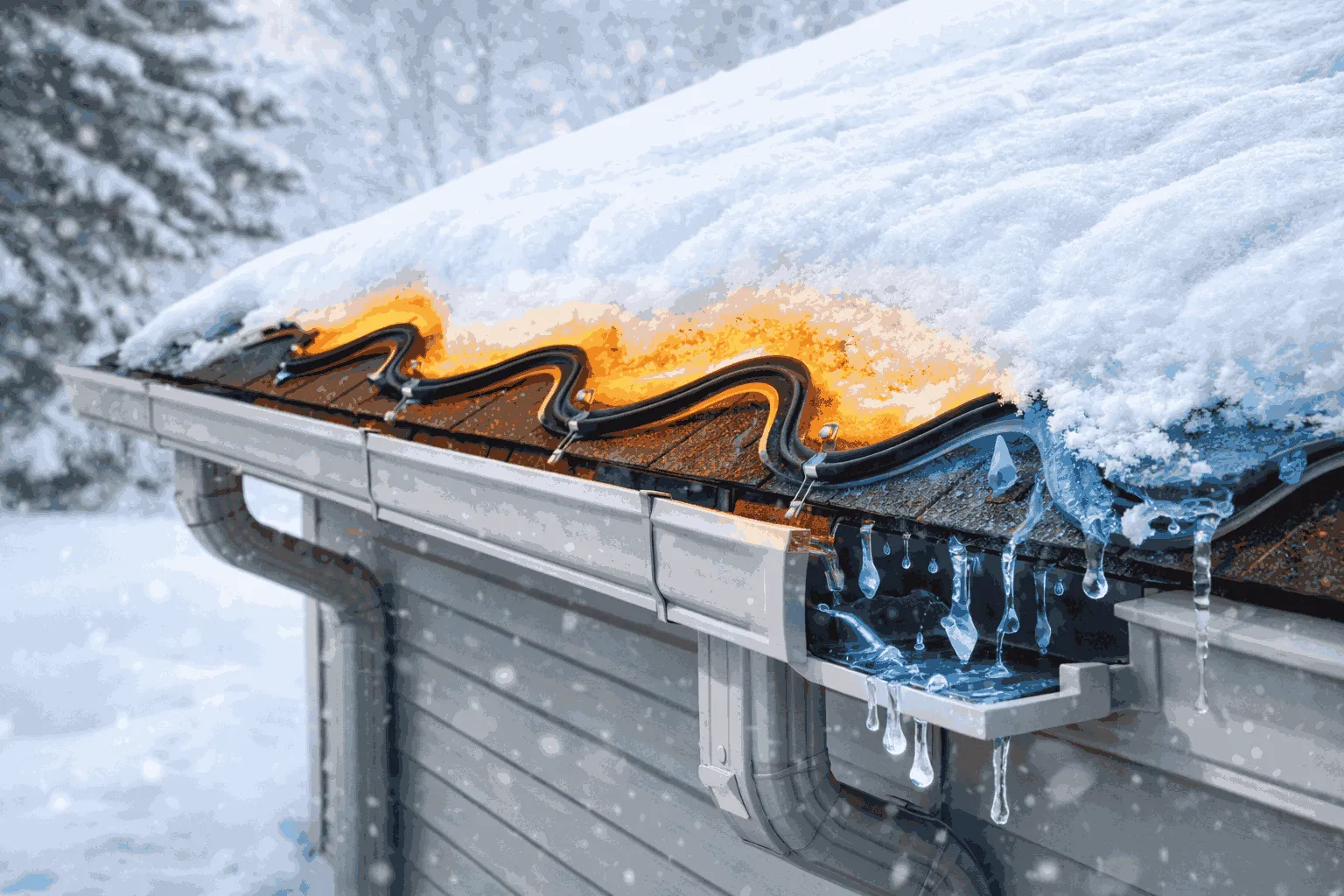
Snow and Ice Removal: In colder weather, remove accumulated snow promptly to prevent excessive load and ice dam formation. Employ safe tools on roofs, as the top layer of the roof may need to be removed.
Use Reflective Roof Coating: A reflective roof coating can prevent UV rays and heat exposure. And their coatings may improve energy efficiency and extend the roof’s service life. IKO Global
Control Roof Access: Keep foot traffic on the roof to a minimum to ensure wear and tear. When such access is necessary, walk on specified walkways or pads to ensure weight is distributed evenly. American WeatherStar
Professional Evaluations: Have all roofing systems inspected and maintained annually by licensed roofing contractors. They can detect issues that might be missed during self-inspections.
You should have records of all inspections, Maintenance, and repairs. This information is essential for monitoring the roof’s condition over time and can be helpful when making a warranty claim or a property assessment.
Tips to maintain a flat roof
1-Regular Inspections
Conducting a thorough inspection (at least semi-annually, ideally in the spring and fall) of all the critical spaces in your home is essential. Also, check the roof following severe weather to catch any potential damage. When you inspect, focus on: Check for cracks, blisters, punctures, or signs of rotting roofing material. Check the flashing around roof penetrations like vents, chimneys, and skylights for damage or separation. Keep gutters, downspouts, and internal drains clean and working so water doesn’t build up. If you notice damage, document your findings with photographs and written observations to help track changes over time and provide a professional basis for future assessments.
2-Prompt Repairs
Take care of minor issues as soon as possible so they do not build up into bigger problems. Patch small cracks or punctures with the appropriate roofing material. For major damage, you might want to contact an experienced roofer for proper repairs. Hence, timely intervention can keep the roof intact and help avoid water inflow.
3-Drainage Maintenance
For flat roofs, proper drainage is essential to avoid water ponding that can cause leaks and damage to the structure. To maintain adequate drainage:
Clear Debris: Ensure that gutters, downspouts, and internal drains are free of leaves, twigs, and other detritus.
Clear Clogs: Routinely run water through the drainage systems to ensure they are not blocked.
Check Drainage Slope: The roof should have a subtle slope that directs water to drainage points. If water pooling is noticed, contact a professional to evaluate and fix the problem.
4-Vegetation Control
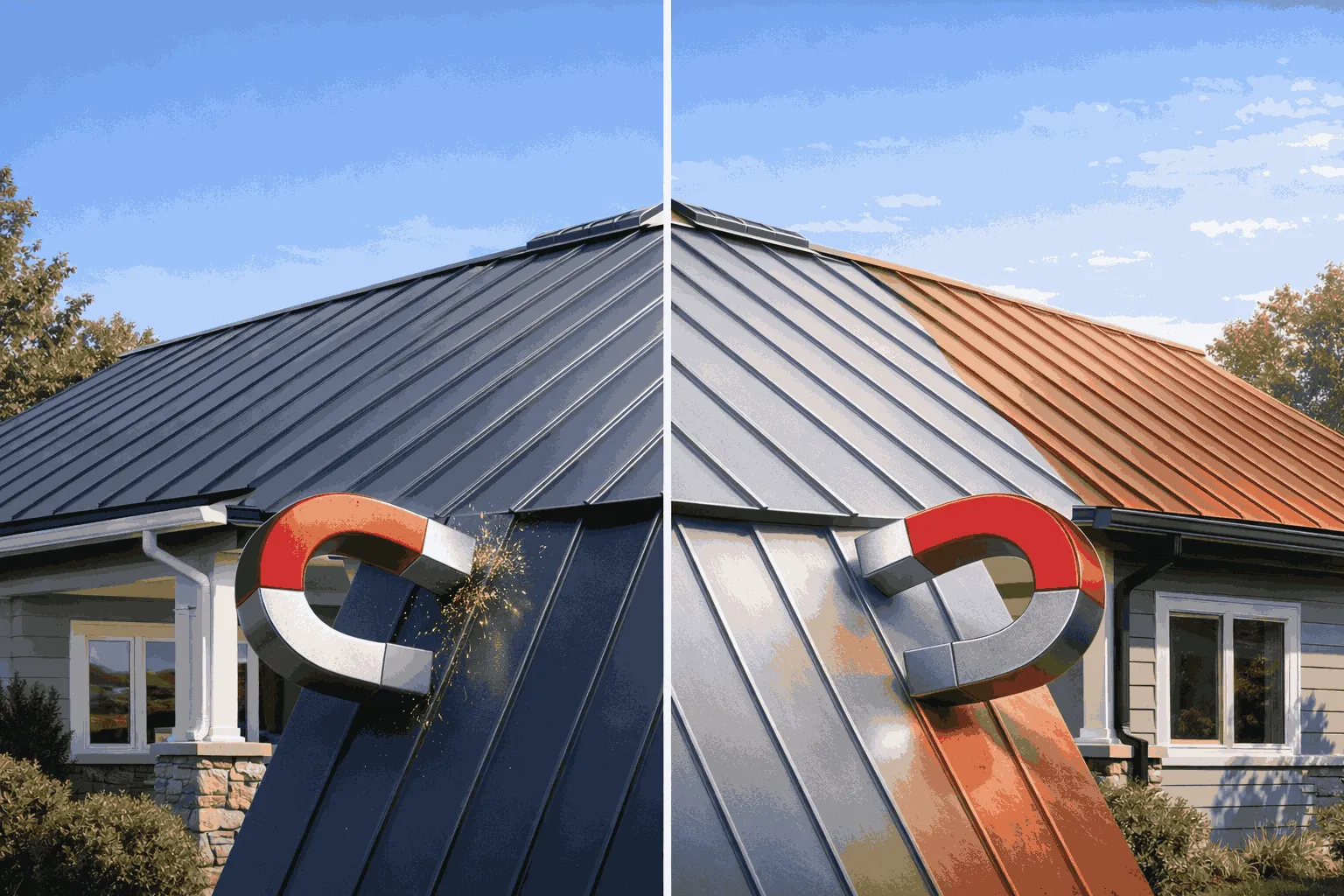
Motion of moss, algae, or other vegetation on the roof surface can hold moisture and break down roofing materials well. To prevent this, Utilize suitable roofing cleaning products to eliminate any greenery. Take care not to harm the roofing material in the process. In addition, zinc or copper strips placed at the peak of your roof can help discourage moss and algae from taking hold. If there are extensive vegetation problems, seek help from professional roofers for safe and efficient removal.
5-Snow and Ice Accumulation
Especially in cold-weather areas, snow and ice accumulation can place too much weight on your roof, creating unacceptable structural stress or forming ice dams. To manage this:
Prompt Removal: Following heavy snow, remove snow with roof-friendly tools, like plastic shovels or roof rakes. Do not use metal tools that can scratch the roofing surface.
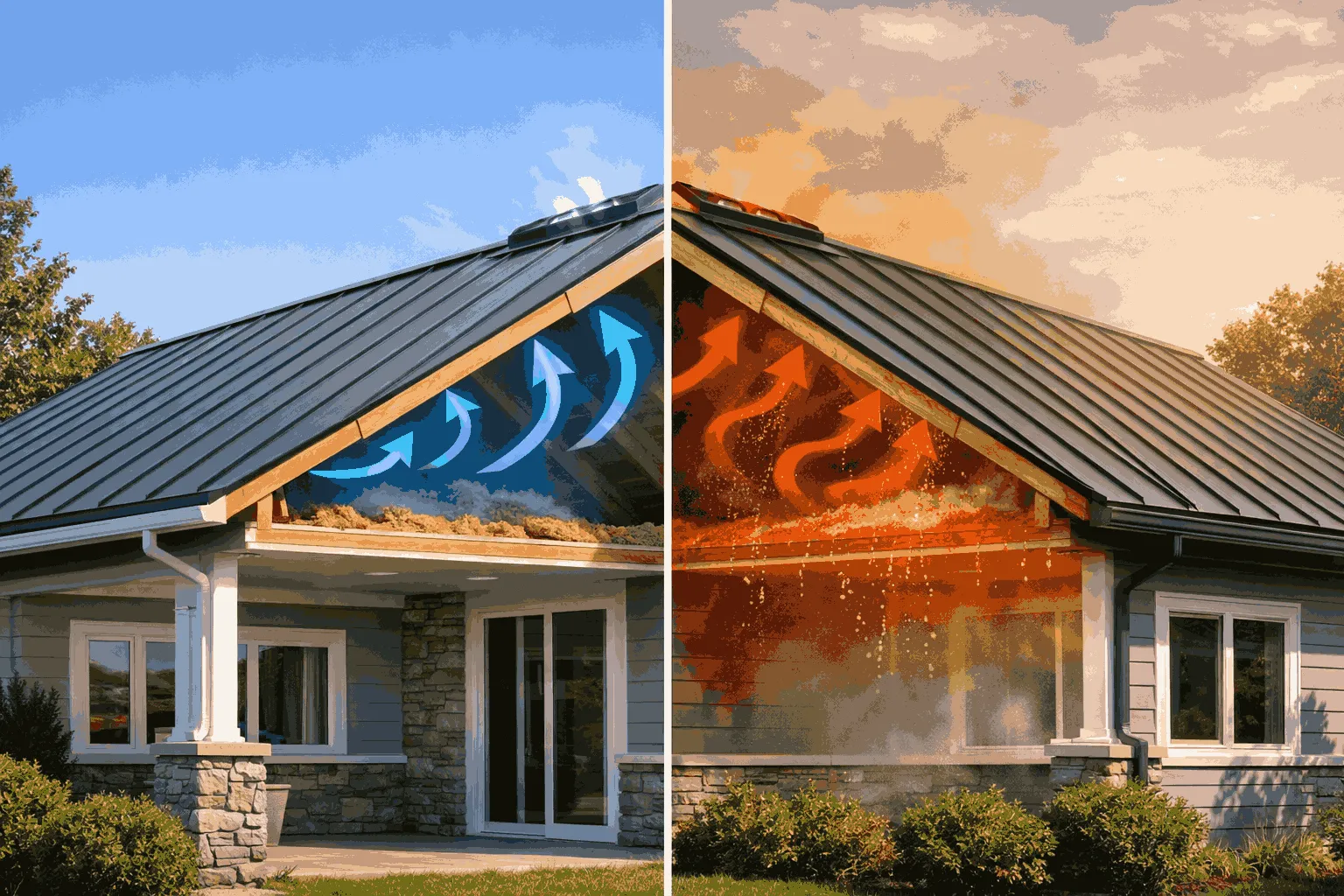
Prevent ice dams: Ensure attics are adequately insulated and ventilated to prevent ice dams from forming at the edges of roofs.
Professional Services: If there are heavy accumulations or you are not confident about safely removing the snow, hire experienced professionals who can remove snow from roofs.
6-Protective Coatings
Stretching protective coatings over flat roofs is another potential way to improve their strength and configurations. It will benefit you, as the reflective coatings also protect the roof from ultraviolet damage, thus reducing material degradation. Coatings provide additional waterproofing to keep leaks at bay. Reflective coatings can minimize heat absorption, resulting in reduced cooling expenses. To know what coating is right for your roof and climate, consult a roofing expert.
7-Limit Foot Traffic
The idea is to mitigate incidental foot traffic on the roof to minimize wear and tear. Installing walking paths or pads can be provided even to distribute weight and prevent damage to the roofing material. Ensure that anyone working on the roof knows the procedures to avoid damage. Keep the roof accessible only to those who need to be there to limit the potential for accidental damage.
8-Professional Assessments
You should get help from a licensed roofing professional to conduct annual inspections and regular Maintenance. Experts can identify issues that may escape detection during a personal examination. Get customized recommendations based on the condition of your roof and environmental data. Professionals ensure compliance with building codes and manufacturer warranties during Maintenance and repairs.
9-Documentation
Keeping detailed records of all inspections, maintenance activities, and repairs can be beneficial for:
Roof History Tracking:
Gives a detailed account of the roof’s condition throughout the years.
Processing Warranty Claims:
In case a problem occurs under the warranty, having detailed maintenance logs can back up any claims.
Future Maintenance Decisions:
Used to schedule Maintenance or replacement.
In such ways, you can prolong your flat roof’s life and avoid costly repairs. A roofing system that lasts long depends on regular attention and prompt action when needed.
Things to Consider for Seasonal Maintenance
Different seasons have specific challenges for flat roofs. Remove any debris that has built up through winter and look for damage that could have been caused by snow or ice. Ensure your drainage systems are debris-free on your roof in anticipation of possible summer storms. In the fall season, fallen leaves and branches can clog drains. Check the roof for signs of wear and prepare it for the winter months ahead. Keep an eye on snow accumulation in winter and remove it as needed so the roof structure is not overloaded. Look for ice dams and take care of them as they appear.
Regular Maintenance Matters
There are actually advantages to maintaining your flat roof consistently. Routine Maintenance will allow you to spot and fix vulnerabilities before water leaks. Addressing any issues at an early stage can substantially lengthen the roof’s lifecycle, helping avoid expensive replacement. A functional roof helps preserve the overall value and strength of your property. Fixing minor issues at the beginning can save money from costly repairs in the future.
Conclusion
Maintaining a flat roof is an exercise in constant vigilance. You can also protect your investment and ensure longevity if you can adopt simple steps like doing routine inspections, repairing repairs quickly, maintaining proper drainage, and hiring professional assistance when needed. Keep in mind that preventive Maintenance is far cheaper than reactive repair. Taking care of your flat roof should be your top priority to protect your property and peace of mind.