The roofing underlayment market has become a critical segment of the global construction industry. According to recent industry data, the roofing underlayment market was valued at approximately $22 billion by the end of 2023 and is projected to grow at a compound annual growth rate (CAGR) of 5.8%, reaching nearly $22.8 billion in 2024 . This rapid growth reflects a fundamental shift in how modern roofs are designed—not as a single layer of shingles or panels, but as an integrated system where underlayment plays a decisive role in durability, moisture control, and overall roof performance.
While most homeowners focus on visible roofing materials such as shingles, metal panels, or tiles, roofing professionals recognize that underlayment is the backbone of a reliable roofing system. When properly selected and installed, underlayment provides continuous protection against water intrusion, compensates for installation imperfections, and safeguards the roof structure during extreme weather events or unexpected material failures.
What Is Roofing Underlayment?
Roofing underlayment is a protective sheet or membrane installed directly over the roof deck (typically plywood or OSB) and beneath the final roofing material. Its primary function is to act as a secondary barrier against water, wind-driven rain, and moisture vapor.
Even the best roofing materials are not fully watertight on their own. Shingles can lift, tiles can crack, and metal panels can expand or contract. Underlayment ensures that if water bypasses the primary roofing surface, it does not reach the roof deck and interior structure.
In modern roofing systems, underlayment also contributes to:
-
Temporary weather protection during installation delays
-
Improved roof longevity
-
Code compliance and manufacturer warranty validation
-
Enhanced fire resistance and safety
Why Roofing Underlayment Is Essential in Modern Roofing Systems
Underlayment functions quietly beneath the roof covering, but its role is critical. A roof without proper underlayment is far more vulnerable to leaks, structural decay, and premature failure.
Moisture and Water Protection
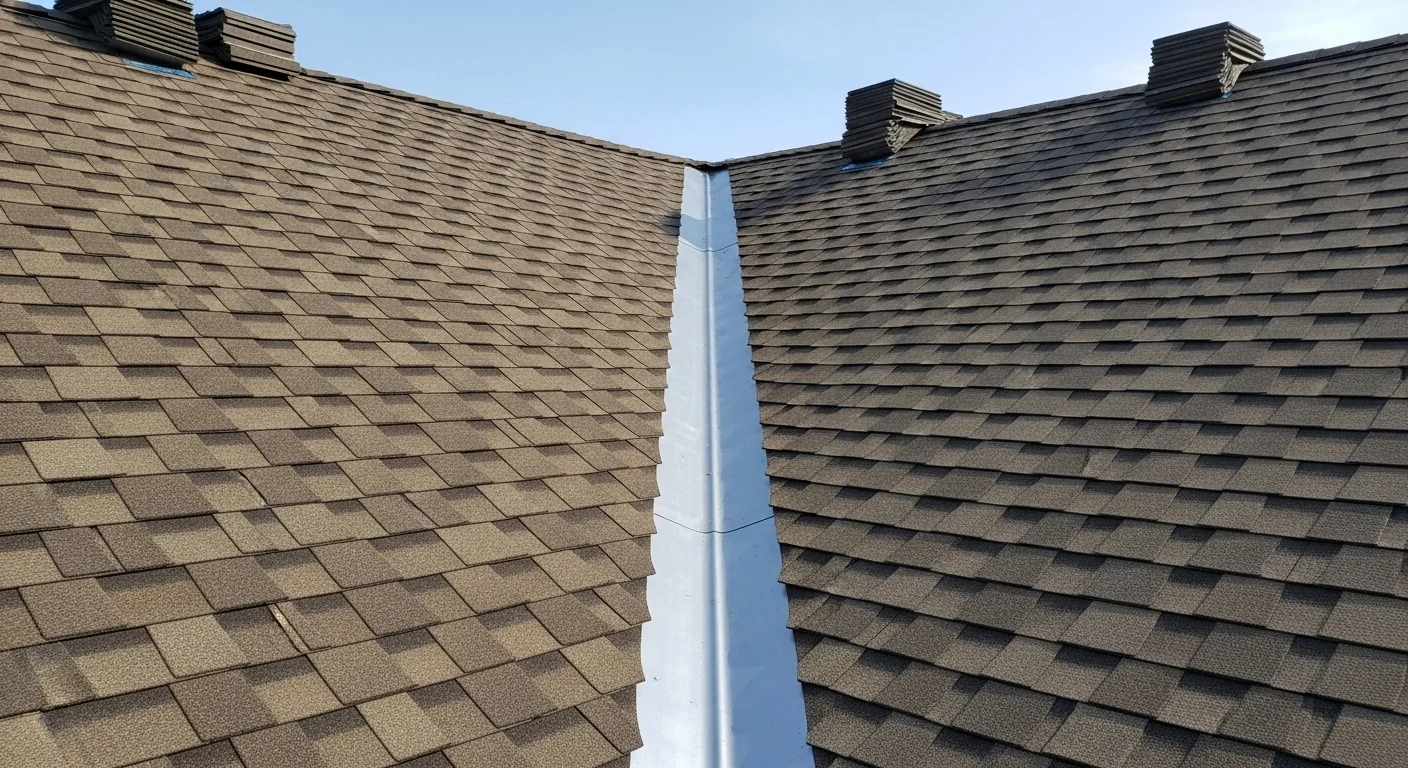
Underlayment prevents water infiltration caused by wind-driven rain, ice dams, snow buildup, or minor roof damage. This is especially important at valleys, eaves, ridges, and roof penetrations.
Protection During Construction
Roof installations are not always completed in a single day. Underlayment provides temporary weather protection, preventing interior damage if rain occurs before the final roofing material is installed.
Structural Preservation
By keeping moisture away from the roof deck, underlayment prevents wood rot, mold growth, and delamination—issues that significantly weaken the roof structure over time.
Fire and Safety Benefits
Some underlayments carry Class A fire ratings, improving overall fire resistance. Slip-resistant surfaces also enhance worker safety during installation.
Types of Roofing Underlayment (Detailed Breakdown)
Roofing underlayments can be broadly divided into three primary categories, each designed for specific performance needs and environmental conditions.
Asphalt-Saturated Felt Underlayment
Often called felt paper or tar paper, asphalt-saturated felt is one of the oldest and most widely used underlayment materials.
Composition:
A base mat (organic or fiberglass) saturated with asphalt to provide water resistance.
Advantages:
-
Cost-effective and widely available
-
Familiar installation process
-
Suitable for basic asphalt shingle roofs in mild climates
Limitations:
-
Absorbs moisture rather than repelling it
-
Tears easily under foot traffic or high winds
-
Degrades faster under prolonged UV exposure
Felt underlayment is best suited for budget-conscious projects and regions with moderate, predictable weather conditions. It is increasingly being replaced by synthetic alternatives in modern construction.
Synthetic Roofing Underlayment
Synthetic underlayment represents a major advancement in roofing technology. It is manufactured using woven or spun polypropylene or polyethylene polymers engineered for strength and stability.
Advantages:
-
Extremely lightweight yet highly durable
-
Superior tear and puncture resistance
-
Resists mold, mildew, and moisture absorption
-
Longer UV exposure ratings during construction
-
Improved traction for installer safety
Limitations:
-
Higher upfront cost compared to felt
Synthetic underlayment is now the preferred choice for most professional roofing installations, particularly in regions with fluctuating weather, high winds, or extreme temperatures.
Rubberized Asphalt (Self-Adhering) Underlayment
Rubberized asphalt underlayment is considered the highest-performing underlayment option available.
Composition:
Asphalt combined with rubber polymers and a peel-and-stick adhesive backing.
Advantages:
-
Fully waterproof membrane
-
Self-seals around nails and fasteners
-
Exceptional performance in snow, ice, and heavy rainfall
-
Highly flexible in both hot and cold temperatures
Limitations:
-
Highest material cost
-
Heavier and more labor-intensive installation
This underlayment is commonly used in high-risk areas such as roof valleys, eaves, chimneys, skylights, and locations prone to ice dams.
Best Roofing Underlayment Products for 2024
Modern manufacturers offer advanced underlayments engineered for performance and ease of installation:
-
FeltBuster® Synthetic Roofing Felt by GAF: Lightweight, tear-resistant, moisture-repellent, and eligible for extended system warranties.
-
RoofRunner® by CertainTeed: High-strength synthetic underlayment with excellent weather resistance and easy handling.
-
Grace Ice & Water Shield® by GCP Applied Technologies: Premium self-adhering membrane ideal for leak-prone areas.
-
ProArmor® Synthetic Underlayment by Owens Corning: Durable, slip-resistant, and designed for extended exposure.
-
Tyvek® Protec™ 120 by DuPont: UV-resistant up to 90 days, Class A fire-rated, and designed for enhanced safety and moisture control.
How to Choose the Right Roofing Underlayment (In-Depth)
Climate and Weather Conditions
High rainfall, snow, coastal winds, or extreme heat require underlayments with superior waterproofing and durability.
Roof Design and Pitch
Steeper roofs shed water faster, while low-slope or complex roofs need higher-performing membranes to compensate for slower drainage.
Roofing Material Compatibility
Metal, tile, asphalt, cedar, and flat roofing systems all require different underlayment characteristics to perform correctly.
Budget vs Long-Term Performance
While felt underlayment costs less initially, synthetic and rubberized options often provide better value through longer service life and reduced maintenance.
Building Codes and Warranty Requirements
Many manufacturers require specific underlayment types to maintain warranty coverage. Local codes may also mandate ice-and-water protection in certain regions.
Recommended Underlayment by Roofing Type
Metal Roofing
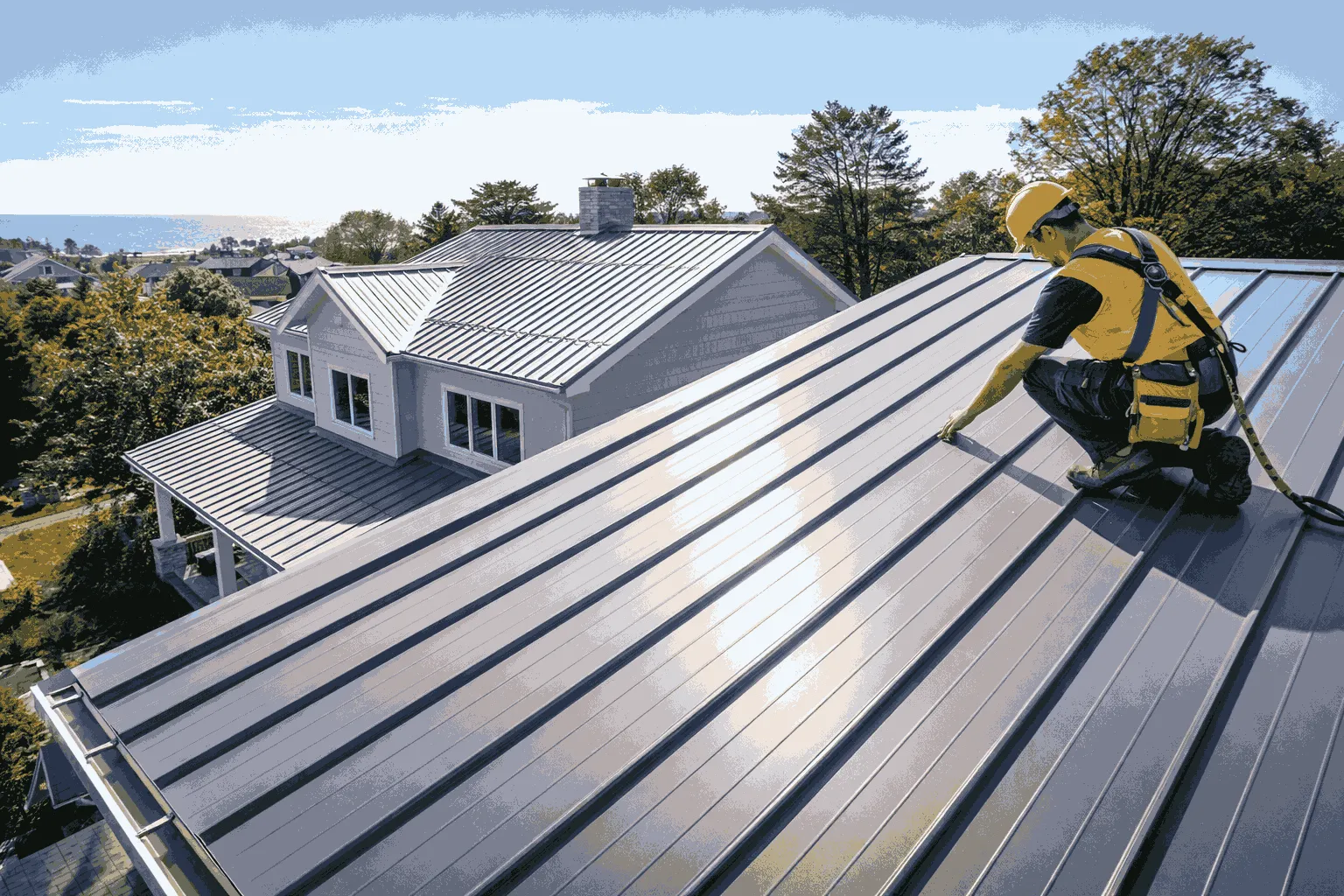
Synthetic underlayment is ideal due to its resistance to heat, tearing, and moisture. It also accommodates thermal expansion and contraction of metal panels.
Asphalt Shingle Roofing
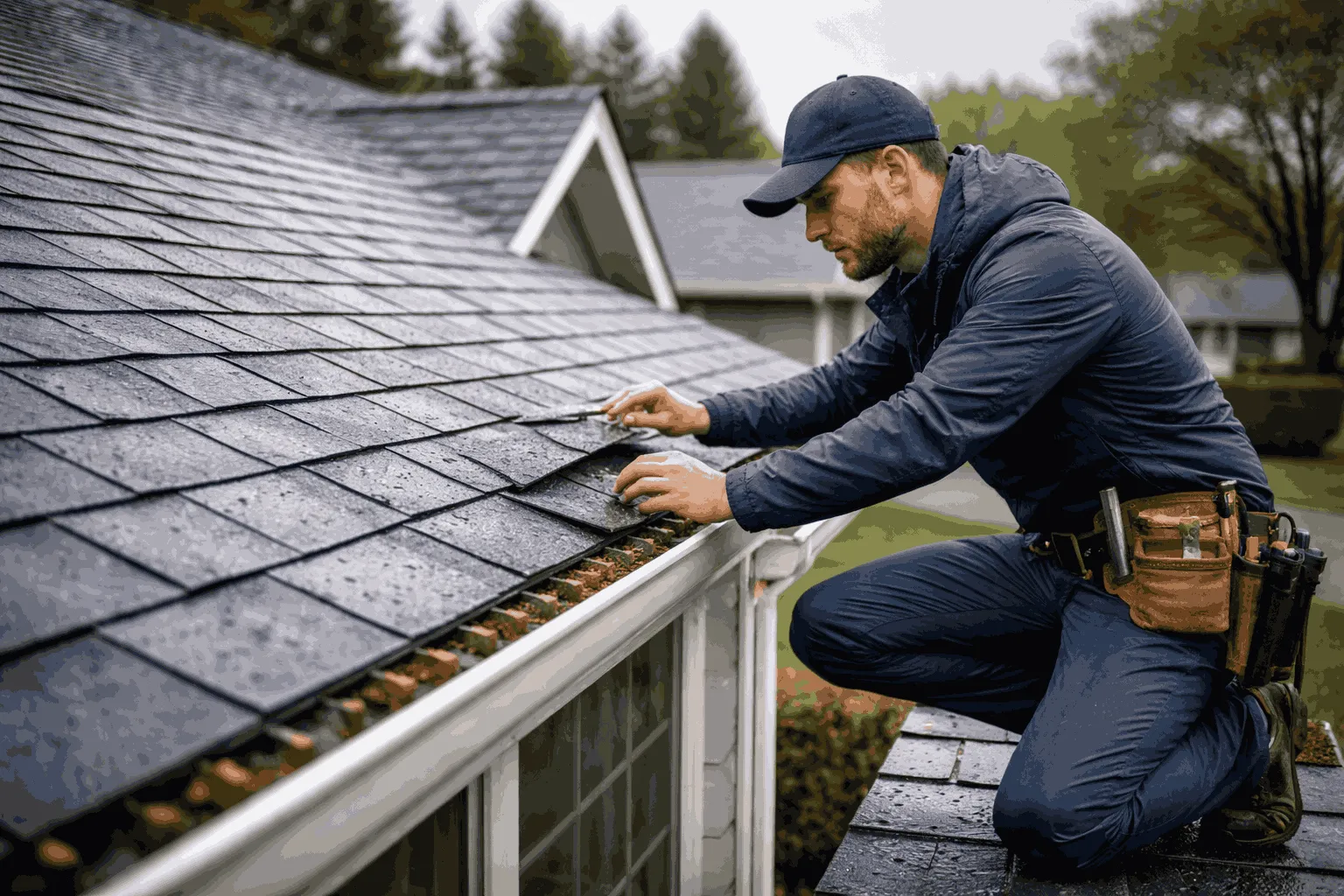
Felt remains common, but synthetic underlayment offers better durability, water resistance, and long-term reliability.
Flat Roofing Systems
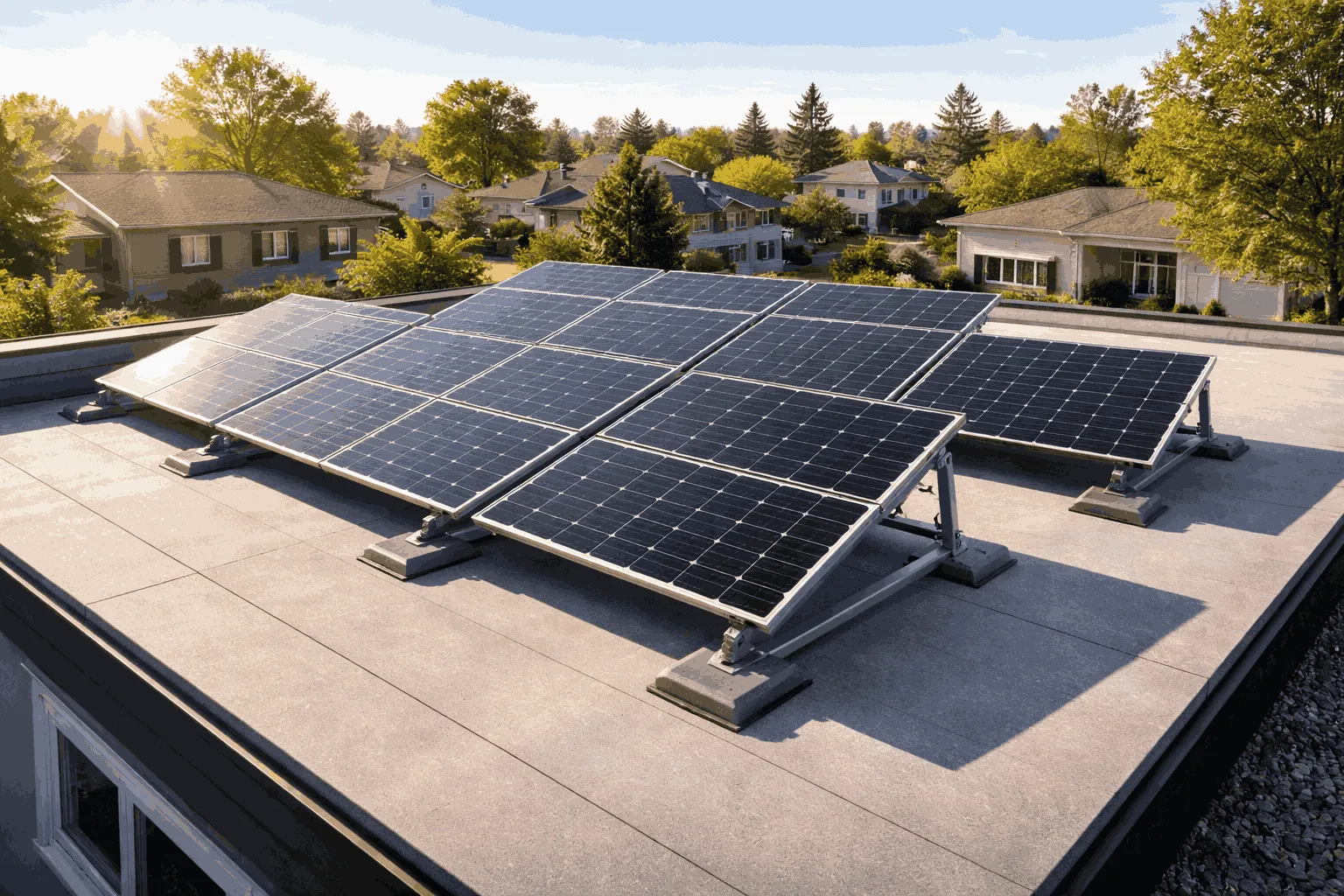
Self-adhering membranes are essential due to limited drainage and higher risk of water pooling.
Cedar Shake Roofing
Synthetic underlayment allows breathability while preventing moisture absorption, reducing warping, mold, and decay.
Conclusion
Roofing underlayment is not an optional accessory—it is a critical structural component that determines how well a roof performs under stress, weather exposure, and time. Selecting the right underlayment strengthens the entire roofing system, protects against moisture-related failures, and significantly extends roof lifespan.
By carefully evaluating climate conditions, roof type, budget, and professional recommendations, homeowners can make informed decisions that ensure long-term protection and peace of mind. Whether installing a new roof or replacing an aging one, investing in high-quality roofing underlayment is one of the smartest choices you can make for the durability and resilience of your home.