Slate is one of the most durable, elegant, and time-tested roofing materials ever used in construction. While many modern roofing products promise longevity, slate has already proven itself for centuries. Its history, performance, and natural beauty make it a standout option for homeowners who value craftsmanship, durability, and architectural character.
The first commercial slate quarry in the United States opened in 1785 in Peach Bottom, Pennsylvania, and for many decades, slate roofing remained a largely local industry. Over time, its reputation spread as buildings roofed with slate continued to outperform other materials generation after generation. Even today, slate roofs installed over a hundred years ago are still protecting homes, churches, and historic structures.
Slate’s appeal goes far beyond longevity. It is naturally fire-resistant, environmentally responsible, highly weather-resistant, and visually striking. This guide explores slate roofing in depth—covering what it is, why it performs so well, the different types available, how it is installed, and how to maintain it for decades to come.
What Is a Slate Roof?
Because of its geological composition, slate is extremely dense, non-porous, and resistant to environmental stress. These characteristics allow slate roofs to withstand extreme temperature changes, moisture exposure, wind, and UV radiation without degrading.
Visually, slate roofs are known for their clean lines, flat surfaces, and refined appearance. Slate tiles are available in a range of natural colors, including:
-
Gray and charcoal
-
Black
-
Green
-
Purple
-
Red
Many slate tiles also feature a natural cleft texture, giving each piece subtle variations that enhance depth and visual interest. While traditional slate tiles are rectangular, custom shapes, sizes, and layouts can be created to match specific architectural styles.
Historically, slate roofing was common on churches, courthouses, and high-end homes. Today, it is equally valued in modern residential construction for homeowners seeking a timeless, high-end look.
Benefits of Slate Roofing
Slate is chosen not just for its appearance, but for its unmatched performance. Below are the key reasons slate roofing continues to be considered one of the best roofing materials available.
Exceptional Durability
Slate is one of the longest-lasting roofing materials in existence. A properly installed and well-maintained slate roof can last 100 years or more, far outlasting asphalt shingles, which typically need replacement every 20–30 years. Some historic slate roofs have remained functional for 150 years.
Fire Resistance
Slate is a non-combustible material, meaning it does not burn or contribute to the spread of fire. This makes slate roofing an excellent choice in areas prone to wildfires or where fire resistance is a priority.
Superior Weather Resistance
Slate performs exceptionally well in harsh weather conditions. It resists damage from:
-
Heavy rain and snow
-
High winds
-
Freeze-thaw cycles
-
UV exposure
Unlike many materials, slate does not warp, rot, or degrade under prolonged environmental stress.
Timeless Aesthetic Appeal
Slate offers a natural, elegant appearance that enhances architectural character. Because the color is inherent to the stone, it does not fade like painted or coated materials. This allows slate roofs to maintain their appearance for decades.
Environmentally Friendly
Slate is one of the most sustainable roofing materials available. It is:
-
Naturally sourced
-
Long-lasting, reducing replacement waste
-
Fully recyclable
Because slate roofs rarely need replacement, they significantly reduce long-term material waste compared to shorter-lifespan roofing products.
Cost of a Slate Roof
Slate roofing is considered a premium option, and its cost reflects the material quality and labor involved.
On average, slate roofing installation costs range between $10 and $30 per square foot, depending on:
-
Type and thickness of slate
-
Roof size and complexity
-
Custom patterns or designs
-
Structural reinforcement needs
-
Labor expertise required
For a standard 1,000-square-foot roof, total costs typically range from $10,000 to $30,000 or more. While this initial investment is higher than many other materials, the lifespan of slate often makes it more cost-effective over time when replacement cycles are considered.
Types of Slate Roofing Systems
Standard (Uniform) Slate Roofs
These roofs use slates of consistent size and thickness, typically between ¼ and 3/8 inches. Tiles are installed in straight, even courses, creating a clean and uniform appearance.
Patterned Slate Roofs
Patterned slate roofs incorporate decorative designs using different colors or shapes. Patterns may include geometric designs, stripes, dates, or symbols, adding a highly customized look.
Random Width Slate Roofs
In this system, slates share the same length and thickness but vary in width. This creates a more organic appearance with staggered vertical joints.
Multicolored Slate Roofs
Multicolored roofs blend slates of different natural colors to create depth and visual variation. These roofs are often installed using random-width techniques for added character.
Graduated Length Slate Roofs
Graduated roofs use larger, thicker slates at the bottom and smaller slates toward the top. This design improves water shedding and enhances structural performance while creating a traditional visual effect.
Thickness Slate Roofs
This system combines slates of varying thicknesses. Heavier, thicker slates are installed lower on the roof, while thinner slates are used higher up.
Textural Slate Roofs
Textural slate roofs use slates with rough edges, irregular thickness, and natural imperfections. The result is a rustic, handcrafted appearance.
Hang-Down Slate Roofs
Longer slates extend beyond the lower edge of adjacent tiles, creating a distinctive layered effect often seen on historic structures.
Slate Roof Installation Process
Slate roofing installation requires specialized skills and experience. Because slate is heavier than most materials, the roof structure must be inspected and reinforced if necessary before installation begins.
A solid wood decking system is installed, typically 2–3 centimeters thick, followed by a high-quality underlayment for additional moisture protection. Each slate tile is secured using two copper or galvanized nails, allowing for thermal movement without cracking the stone.
Proper spacing, overlap, and alignment are critical to prevent water intrusion. Copper flashing is installed around chimneys, valleys, vents, and roof intersections to ensure long-term waterproofing.
Due to the complexity and precision required, slate roofing should always be installed by trained professionals.
Slate Roof Maintenance and Care
Slate roofs require minimal maintenance, but periodic inspections are essential to preserve performance.
Key maintenance practices include:
-
Inspecting the roof twice a year and after major storms
-
Replacing cracked or missing slates promptly
-
Keeping gutters clean to prevent water backup
-
Gently removing moss with soft tools and mild cleaners
-
Checking flashing for corrosion or separation
-
Avoiding foot traffic on the roof whenever possible
When repairs are needed, always use professionals experienced with slate. Improper handling can cause unnecessary damage.
Final Thoughts: Is a Slate Roof Worth It?
A slate roof is more than a roofing system—it is a long-term architectural investment. Its unmatched durability, fire resistance, environmental benefits, and timeless appearance make it one of the most respected roofing materials in the world.
While the upfront cost is higher, slate’s lifespan often exceeds that of multiple replacement cycles for other materials. With proper installation and care, a slate roof can protect and enhance a home for generations.
For homeowners seeking a roofing solution that combines beauty, strength, and longevity, slate remains one of the finest choices available.
FAQs
Can you walk on a slate roof?
It is not advisable to walk on a slate roof as slate tiles are quite brittle and can easily shatter or chip. Furthermore, even while the tiles appear to be reasonably intact, jumping on them or walking on them can cause microfractures which can lead to leaks in the future. If walking is required, utilize planks to distribute the weight and protect the roof from potential damage.
Are slate roofs good?
Absolutely, due to their capacity to endure extreme weather conditions while still retaining an appealing appearance, slate roofs are a great roofing option. Additionally, they require minimal upkeep and have an impressive longevity of over a century. That said, they are not budget friendly as they are among the priciest options available.
How do you clean a slate roof?
Slate roofs should be cleaned with great care as they can be easily damaged. Using low pressure washing or a soft brush to remove dirt and moss. If deep cleaning is required, hiring a professional who knows how to clean them without cracking them is recommended.
Are slate roofs better than tiles?
When comparing traditional tile roofs and slate roofs, a slate roof is stronger, more weather resistant, and can last longer. However, slate does come with its fair share of hassle. They are heavier and more expensive in comparison to tiles. While choosing between slate and tile roofs, one must consider their home style and their budget to make an informed decision.
Can you install solar panels on a slate roof?
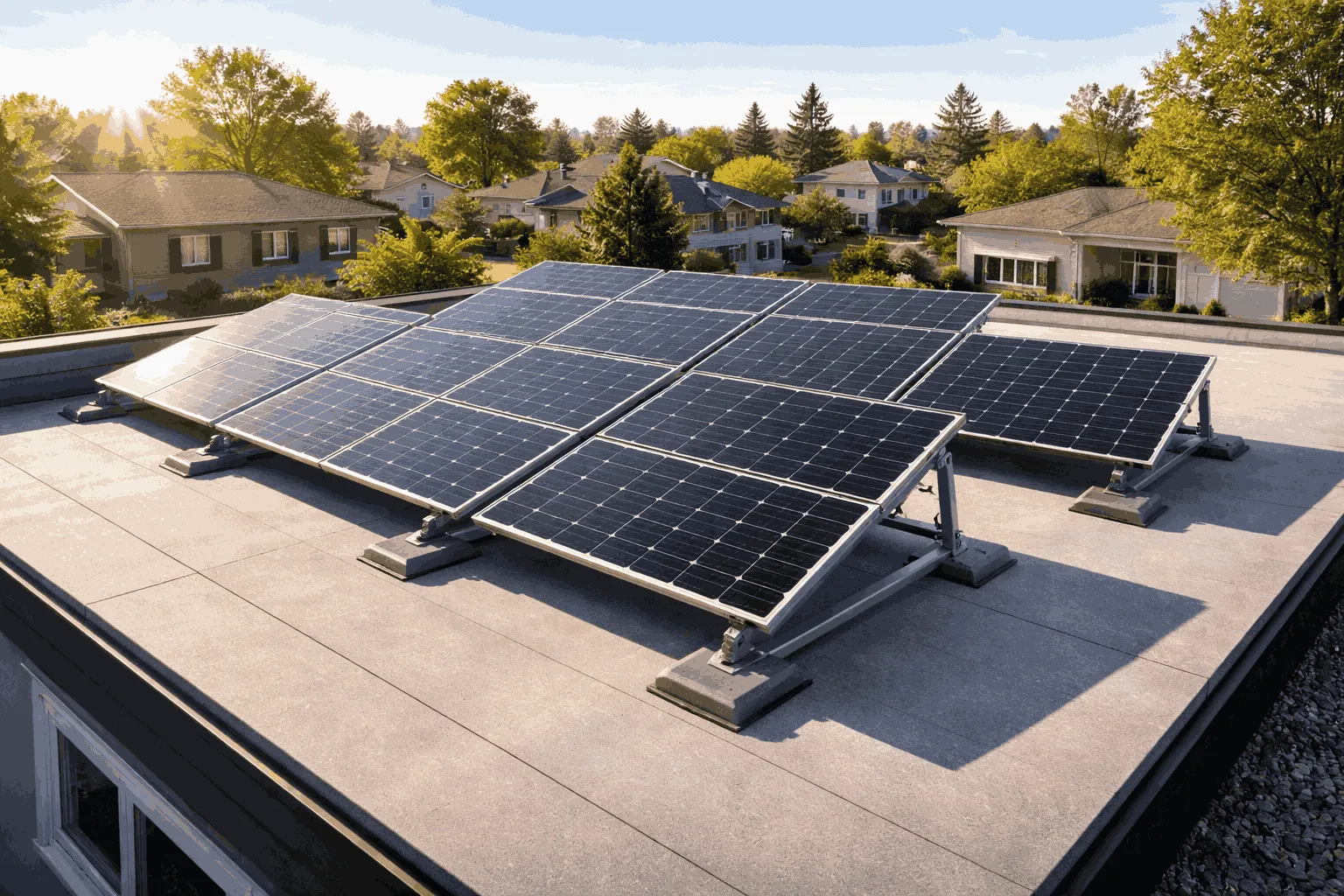
Solar panels can indeed be attached to slate roofs, but experts point out that this is not an easy process. Slate tiles are brittle solar, so special mounts are required to prevent destruction. Installing solar panels can be tough, and more expensive than other roofs, but it is also possible with the correct expertise.
Does a slate roof add value?
The beauty of a slate roof and strength helps adding substantial value to a home. It’s worth noting that this is a sought-after characteristic which is evidence of proper construction and high upkeep. It is common for properties with slate roofs to demand a better price than those without them.