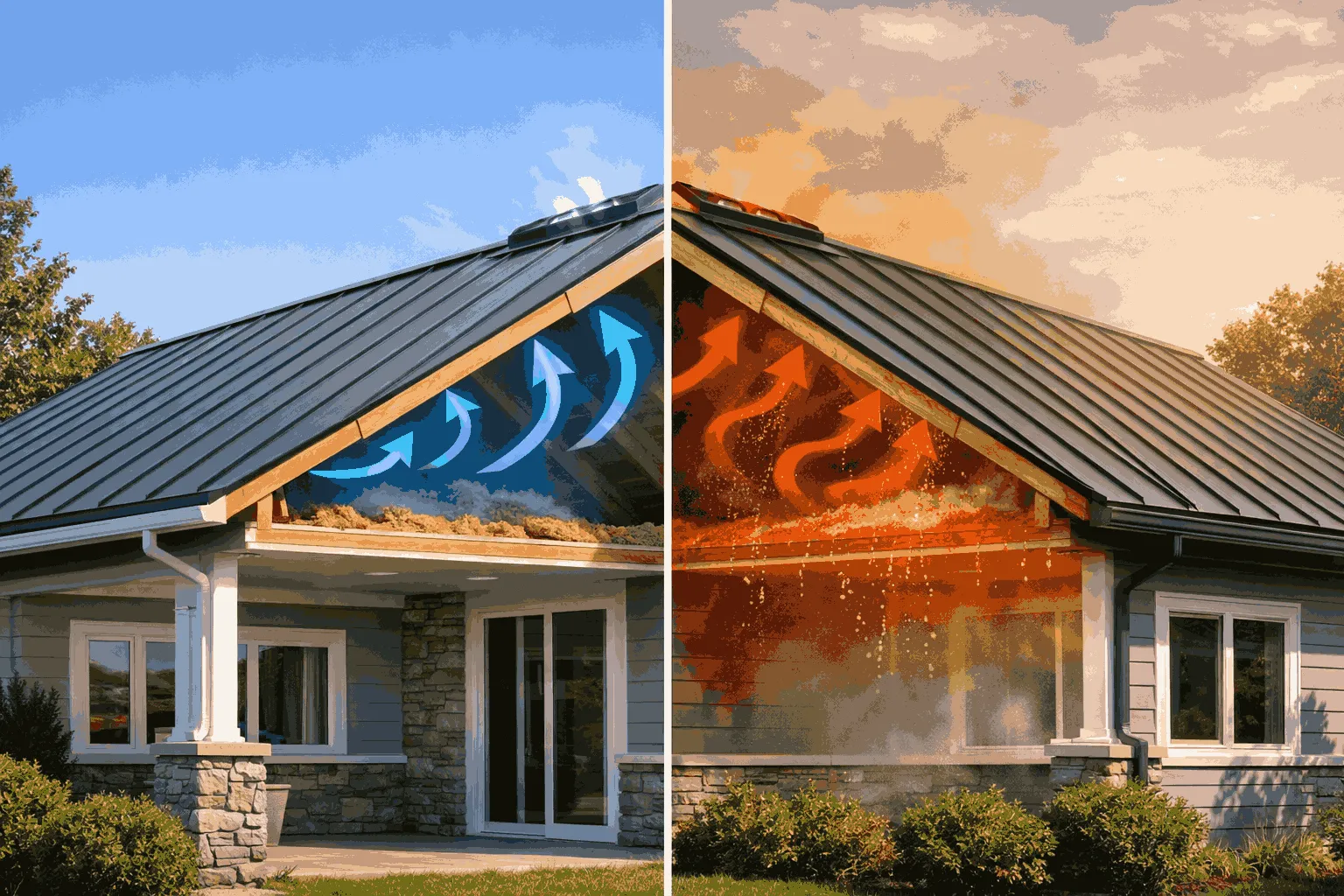
The pipe jack, which is also referred to as a roof jack or vent pipe flashing, is a key roofing component. These penetrations are unavoidable as they are required for different household systems, including plumbing vents and exhaust pipes; however, they can serve as pathways for water and debris. Well-installed pipe jacks provide a watertight seal around these beer leakers, which helps keep everything dry in the attic and under the roof. Pipe jacks are often designed to stop water from getting past the roof structure where pipes, vents, or other penetrations are made. The potential for water to permeate the roofing system extends to vulnerable points, which, when not adequately sealed, can permit water infiltration into your roofing system and lead to rot, mold growth, and cabal stability. When installed correctly, a pipe jack provides a watertight seal that helps protect the roofing material underneath and the building’s interior from potential moisture damage. They also help to improve the house’s energy efficiency by helping to seal off air escapes.
In this guide, we will go through the material used in the pipe jack, types, maintenance, and inspection of the pipe jack.
Materials Used in Pipe Jacks
The choice of material for a pipe jack is crucial, as it influences the roofing system’s durability, flexibility, and overall performance. Here’s an overview of the materials commonly used in the manufacturing of pipe jacks:
Lead
Lead has been a standard pipe flashing material due to its malleability and durability. Its malleability enables it to quickly adjust around different roof pitches and intricate roof designs, fitting snugly around penetrations. Lead’s anti-corrosive properties allow it to last longer than most other materials.
Rubber
Some modern pipe jacks now have flexible rubber inner collars made from elastomeric material. These collars allow pipes to move and expand, so there are few chances of developing a leak over time. Rubber pipe jacks are generally utilized with metal bases to provide flexibility and structural support.
Aluminum
Aluminum pipe jacks are lightweight and resist corrosion. They can fit nicely on various roofing types, such as asphalt shingles and metal roofs. Aluminum’s resistance to extreme weather and corrosion, combined with its significant affordability, has made it one of our more popular offerings in both commercial and residential applications.
Galvanized Steel
Commercial applications use galvanized steel pipe jacks with the strength and durability necessary to handle demanding conditions. This galvanization process applies a zinc protection layer to the steel, which gives it rust protection. Galvanized steel is stout but not as pliable as lead or rubber, which could require exact installation to provide a proper seal.
Types of Pipe Jacks
Pipe jacks come in various designs to accommodate different roofing configurations and pipe sizes:
Standard Pipe Jacks
Standard pipe jacks are more common in residential roofing and are for standard plumbing vents. They have a flat base that sits level with the roof and a cylindrical sleeve that forms a tight fit around the upper part of the pipe. The base is built into the roofing material, and the sleeve creates a watertight seal around the pipe. Most pipe jacks are constructed of rubber, aluminum, or galvanized steel, providing long-lasting performance with some weather corrosion resistance.
Adjustable Pipe Jacks
The collar of an adjustable pipe jack is flexible or expandable, allowing it to fit pipes with both large and small diameters, as well as roofs with various pitches. Their flexibility allows them to adapt to intricate roofing designs that traditional dimensions may struggle to accommodate. The adjustable design allows it to conform securely to the pipe, creating a watertight seal that will do whatever the roof does as the temperature rises and falls. Material such as rubber or silicone for the collar and a metal basis for structure.
Saddle Roof Jacks
Pitched roofs are used with saddle roof jacks. They sport a saddle-shaped flashing that covers the roof ridge, which is the watertight seal. This design allows water displacement away from the penetration point, reducing the potential for leaks. Saddle roof jacks also work exceptionally well on sloped roofs, where water run-off must be addressed so the water doesn’t pool around the pipe.
Boot Roof Jacks
Boot roof jacks, or pipe boots, are flexible flashings that wrap closely around pipes or vents to create a tight seal. They can accommodate different pipe sizes or roof pitches and are built from durable, weatherproof materials, such as rubber or silicone. Roof jacks for roof boots are easy to install, suitable for most modern roofing materials, and widely used in residential applications.
Gas Vent Roof Jacks
Gas vent roof jacks are pipes that vent gas from appliances like furnaces and water heaters. They are made from heat-resistant materials that enable gases to vent safely and prevent leaks. They are important for proper venting of gas appliances; if they are not vented correctly, they become dangerous.
Curb Roof Jacks
If raised installations, like HVAC units, are used, curb roof jacks are used. They raise equipment above the roof surface for proper drainage and provide a secure base that protects the equipment to ensure efficient operation. Commercial buildings typically feature rooftop equipment , often fitted with a curb roof jack.
Installation process
Proper installation of pipe jacks is crucial to ensure their effectiveness:
Preparation
All safety gear, such as non slip footwear, gloves, harnesses, etc, should be worn. Pick a day when the weather is clear you don’t want to work on a slick roof. You will need a new pipe jack that corresponds with your pipe diameter and roof pitch, roofing nails or screws, a hammer or drill, a utility knife, roofing sealant, a pry bar, and measuring tools. Find a location where the pipe or vent will penetrate the roof. Be sure the area is clear of debris and the roofing material is intact.
Cutting the Opening
Find where the pipe will come through the roof from inside the attic. Then, drill a small pilot hole to mark this spot. Use this reference to mark the position where the pipe will open on the roof. Trace around the outside of the pipe, removing a section of roofing material that is a bit bigger (an inch or so) than the diameter of the pipe itself to let it shift and expand with heat. Make sure the cut is clean, so you get a good seal.
Positioning the Pipe Jack
Slide the pipe jack down over the exposed pipe on the rooftop, with the base flat against the roof. Raise the shingles above the aperture of the pipe and slide the top edge of the base of the pipe jack under the shingles. This placement channels the water away from the penetration, taking advantage of the shingles’ inherent water-shedding design.
Securing the Pipe Jack
Fasten the base of the pipe jack to the roof with roofing nails or screws. Attach at corners and along the edges of the base with fasteners below the shingle line to protect them from the weather. Gently tuck the lifted shingles back over the upper edge of the pipe jack’s base. They need to lie flat and cover the flashing sufficiently to not compromise the roof’s integrity.
Sealing
Apply a high quality roofing sealant around the edges of the pipe jack and over the fasteners to create an additional barrier against water intrusion. Cover all seams and nail heads well.
Final Inspection
Examine the installation for gaps or uneven shingles that may permit water to enter. Apply some pressure down around the pipe jack to confirm it is fully secured and stable.
Maintenance and Inspection
Check the roof after extreme weather events heavy rain, snowstorms, or high winds which can bring damage. Check for any visible signs of damage, including cracks, splits, or warping of the pipe jack material. Check the sealant around the base and collar of the pipe jack for signs of drying, cracking, or peeling that can loosen the watertight seal. Make sure that all the nails or screws holding the pipe jack are intact and not rusted or corroded. Loose or missing fasteners can cause instability and leaks.Clean up the leaves, branches, and other debris from the pipe jack. Such buildup can retain moisture, resulting in the degradation of the pipe jack and adjacent roofing materials. Gently brush away any moss or algae growth with a soft brush and a mild cleaner to prevent moisture retention and risk of damage. Over time, sealants are susceptible to degradation when exposed to UV rays and temperature changes. Inspect the condition of the sealant around the pipe jack during inspections. If the sealant looks worn down, carefully remove the old sealant and apply a new high-grade roofing sealant to ensure everything remains watertight.
Common Issues and Solutions
A collar may set off cracks or scratches due to overlapping with external elements, which can lead to leaks as well. To repair the thirty year old seal, either a new collar or the entire pipe jack replacement is needed. Metal pipe jacks can corrode over time, especially if they are made from galvanized steel.Regular inspections can pinpoint early signs of rusting so replacement can happen promptly.Leaks can arise from improperly installed pipe jacks. This risk can be mitigated by ensuring that experts do the installation. Lead and copper pipe jacks are known to last anywhere from 50 years or longer, while rubber and plastic ones may need replacing after 10 to 20 years. Extreme temperatures, heavy rain, and high UV exposure due to climatic conditions can also aid the aging pipe jacks. Regular inspections and timely repairs allow pipe jacks to last for many years instead of letting minor issues snowball into major problems.
Conclusion
Knowing how pipe jacks work, the different types, what they’re made of, and how to maintain them is valuable information for both homeowners and roofing industry professionals. These are crucial elements in maintaining the integrity of a roofing system by ensuring that the penetrations required do not compromise the roof’s watertight ability.