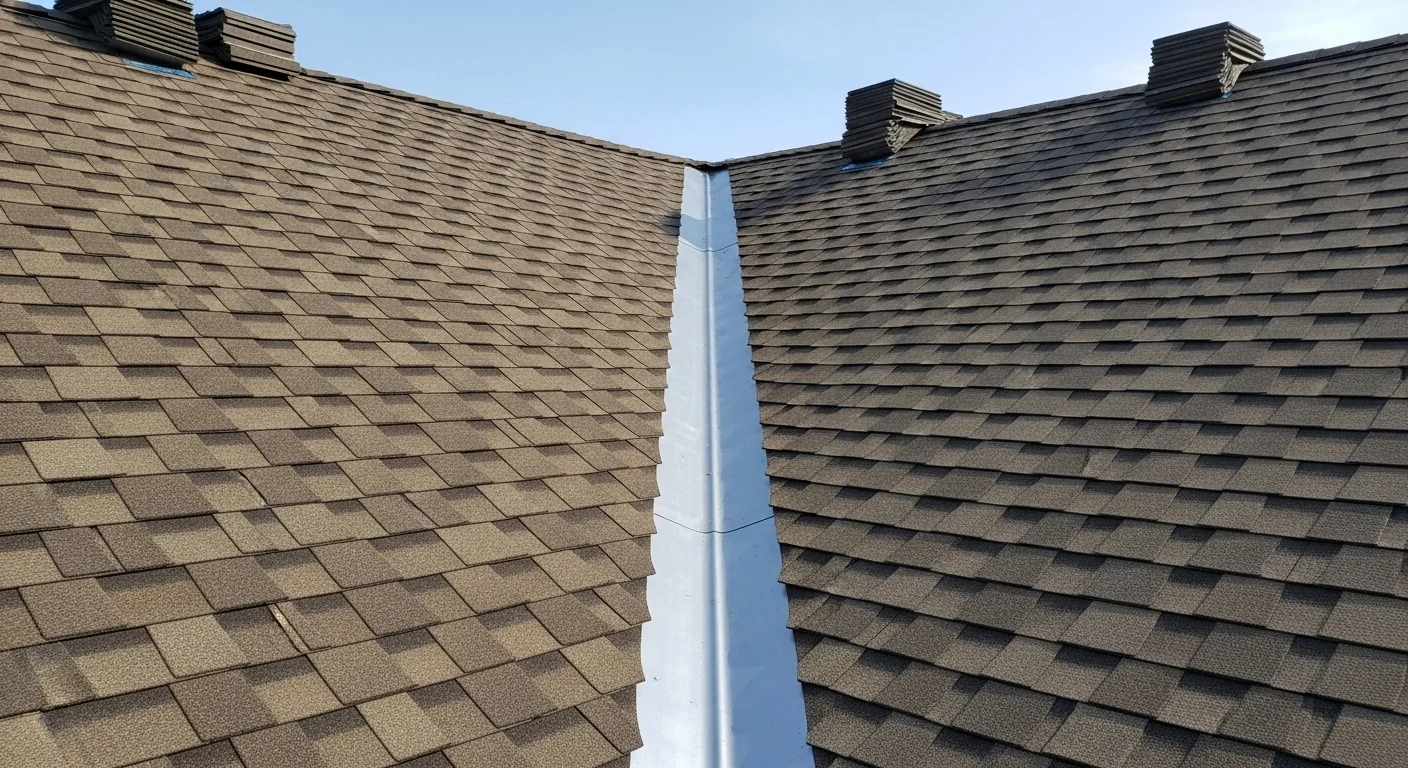
Most homeowners spend time choosing roofing materials, styles, and warranties—but one crucial factor is often overlooked: roof color. While it may seem like a purely aesthetic choice, roof color plays a major role in determining indoor temperature, ventilation efficiency, energy usage, and long-term comfort inside your home.
Your roof is constantly exposed to sunlight. The color you choose directly affects how much solar energy is reflected back into the atmosphere versus absorbed into the structure of your home. This absorption or reflection can significantly influence attic temperatures, HVAC workload, and overall energy costs.
To put this into perspective, a highly reflective white roof that deflects roughly 80% of sunlight can be 40–50°F cooler than a dark gray or black roof that reflects only about 20% of sunlight on a hot, sunny day. That temperature difference doesn’t just stay on the roof—it transfers into your living space.
Let’s break down exactly how roof color impacts temperature, energy efficiency, and comfort, and how homeowners can make the right choice.
The Science Behind Roof Color and Heat Absorption
Every color absorbs and reflects light differently. This principle applies to clothing, pavement, and especially roofing materials. Dark colors absorb a greater portion of solar radiation, converting sunlight into heat. Light colors, on the other hand, reflect more sunlight and absorb far less heat.
This is why wearing a black shirt on a sunny day feels hotter than wearing a white one. The same physics applies to your roof—but on a much larger scale.
A key concept here is solar reflectance, also known as albedo. Solar reflectance measures how much sunlight a surface reflects rather than absorbs.
-
High-reflectance surfaces (light-colored roofs) bounce sunlight away
-
Low-reflectance surfaces (dark roofs) absorb solar energy and retain heat
The more heat your roof absorbs, the more heat is transferred into the attic and living areas below.
How Roof Color Directly Impacts Home Temperature
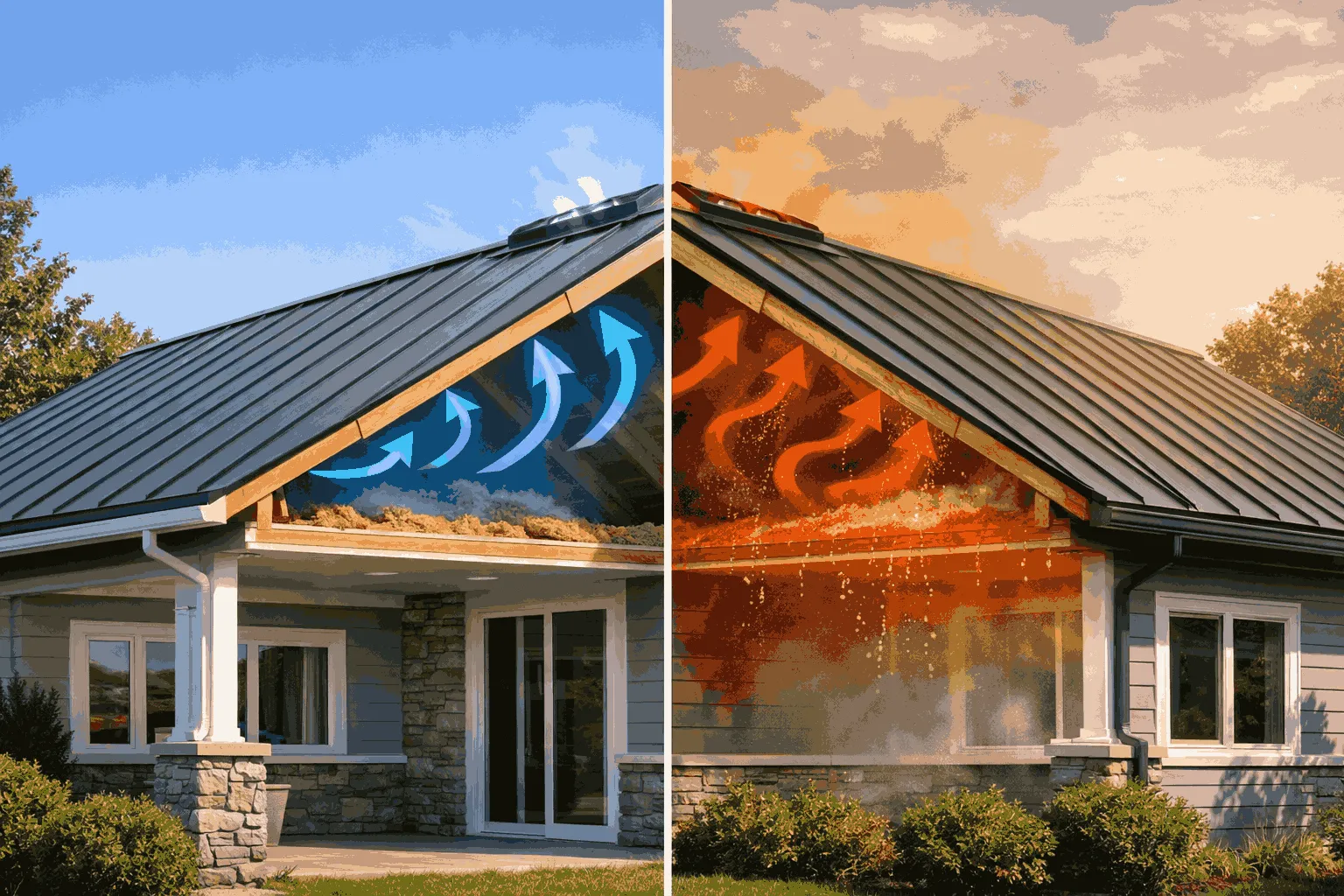
Roof color has a measurable effect on interior temperatures, particularly in the attic. Light-colored or “cool roofs” reflect sunlight, significantly reducing heat buildup. According to energy studies, cool roofs can lower attic temperatures by up to 50°F compared to dark roofs under the same conditions.
Lower attic temperatures lead to:
-
Reduced heat transfer into living spaces
-
Less strain on air conditioning systems
-
Improved indoor comfort during hot weather
Dark-colored roofs behave in the opposite way. By absorbing solar radiation, they increase attic temperatures, which then radiate heat downward into the home. This often forces HVAC systems to run longer and harder to maintain comfortable indoor temperatures.
Over time, this added strain increases energy consumption, utility bills, and wear on cooling systems.
Measurable Temperature Differences Between Roof Colors
Studies consistently show that homes with dark-colored roofs can be 10–15°F hotter indoors than homes with light-colored roofs during warm weather. On the roof surface itself, temperature differences can be even more dramatic.
For example:
-
A dark roof in direct sunlight may reach 150–170°F
-
A light-colored roof under the same conditions may remain closer to 100–120°F
That extra heat doesn’t disappear—it moves into the attic and eventually into your living space, affecting comfort and energy use.
Energy Efficiency and Utility Cost Impacts
Roof color has a direct effect on how much energy your home consumes, especially for cooling.
Light-colored roofs:
-
Reflect solar heat
-
Reduce indoor cooling demand
-
Lower air conditioning runtime
-
Decrease summer electricity bills
Dark-colored roofs:
-
Increase heat absorption
-
Raise attic and indoor temperatures
-
Increase HVAC workload
-
Lead to higher cooling costs
Over the lifespan of a roof, these energy differences can translate into thousands of dollars in savings, especially in warmer regions.
Beyond cost savings, reducing energy use also lowers a home’s carbon footprint, making roof color an environmentally responsible decision as well.
Roof Color and Roofing Material Durability
Roof color doesn’t just affect temperature—it also affects how long roofing materials last.
Excessive heat accelerates material degradation. Dark roofs that retain heat can cause:
-
Faster aging of shingles
-
Increased cracking and warping
-
Shortened roof lifespan
Light-colored roofs tend to experience less thermal stress, which can:
-
Slow material breakdown
-
Reduce maintenance needs
-
Extend overall roof life
This means choosing the right roof color can reduce not only energy costs but also long-term repair and replacement expenses.
Climate and Geographic Location Considerations
Climate plays a critical role in determining the best roof color for your home.
Hot and Sunny Climates
In warm regions, light-colored roofs such as white, beige, or light gray are ideal. These colors reflect sunlight, keep homes cooler, and reduce cooling costs significantly.
Cold Climates
In colder regions, darker roof colors like black, dark brown, or deep gray can be beneficial. They absorb more heat from the sun, which can help with snow melt and reduce heating demands during winter.
Mixed or Moderate Climates
For areas with both hot summers and cold winters, mid-tone roof colors such as medium gray or brown provide balance—reflecting some heat in summer while still absorbing warmth in winter.
Improving Heat Reflection Without Replacing the Roof
Homeowners don’t always need a full roof replacement to improve thermal performance. Reflective roof coatings and lighter-colored finishes can enhance solar reflectance.
Options include:
-
Light-colored asphalt shingles
-
Reflective roof paints or coatings
-
Cool-roof rated materials
These solutions can improve heat reflection, reduce attic temperatures, and enhance energy efficiency without major structural changes.
Final Thoughts: Choosing the Right Roof Color for Your Home
Roof color is far more than a design choice—it’s a functional decision that impacts temperature control, energy efficiency, material lifespan, and overall comfort. A dark roof may help retain heat in colder regions, while a light roof can dramatically reduce cooling costs in warmer climates.
The best roof color is one that aligns with:
-
Local climate conditions
-
Energy efficiency goals
-
Roofing material type
-
Long-term comfort and cost savings
By selecting the right roof color for your location and needs, homeowners can enjoy a more comfortable living environment, lower utility bills, and a roof that performs better for years to come.
FAQs
What is solar reflectance, and why is it important?
Solar reflectance, or albedo, is a very important concept as it measures the amount of sunlight that is absorbed by a surface. It is especially important while choosing the roofing materials as a high solar reflectance means that a house would remain cooler, thus reducing the reliance on air conditioners and lowering energy bills.
How much can roof color affect energy bills?
Homeowners should take roof color into consideration as it tends to impact energy bills quite significantly. Roofing products that use light colors tend to help reduce cooling costs by almost 10-15% when contrasted with dark roofing that can lead to increased reliance on air conditioning and higher energy expenses.
What is the best roof color for hot climates?
If your house experiences a hot climate most days of the year, then light-colored or reflective roof colors, such as white or light gray, are the best roof color options. A cool colored roof can help deflect sunlight allowing for a reduction in the warm temperatures during the summer seasons and that is extremely beneficial in reducing air conditioning bills.
Are there any long-term benefits to choosing a reflective roof color?
Yes, a reflective roof color greatly helps in reducing long term cooling costs, therefore saving money while lowering the upfront bills. It can not only ensure comfort of the people while staying indoors but also ensure great durability, making it worth the investment.