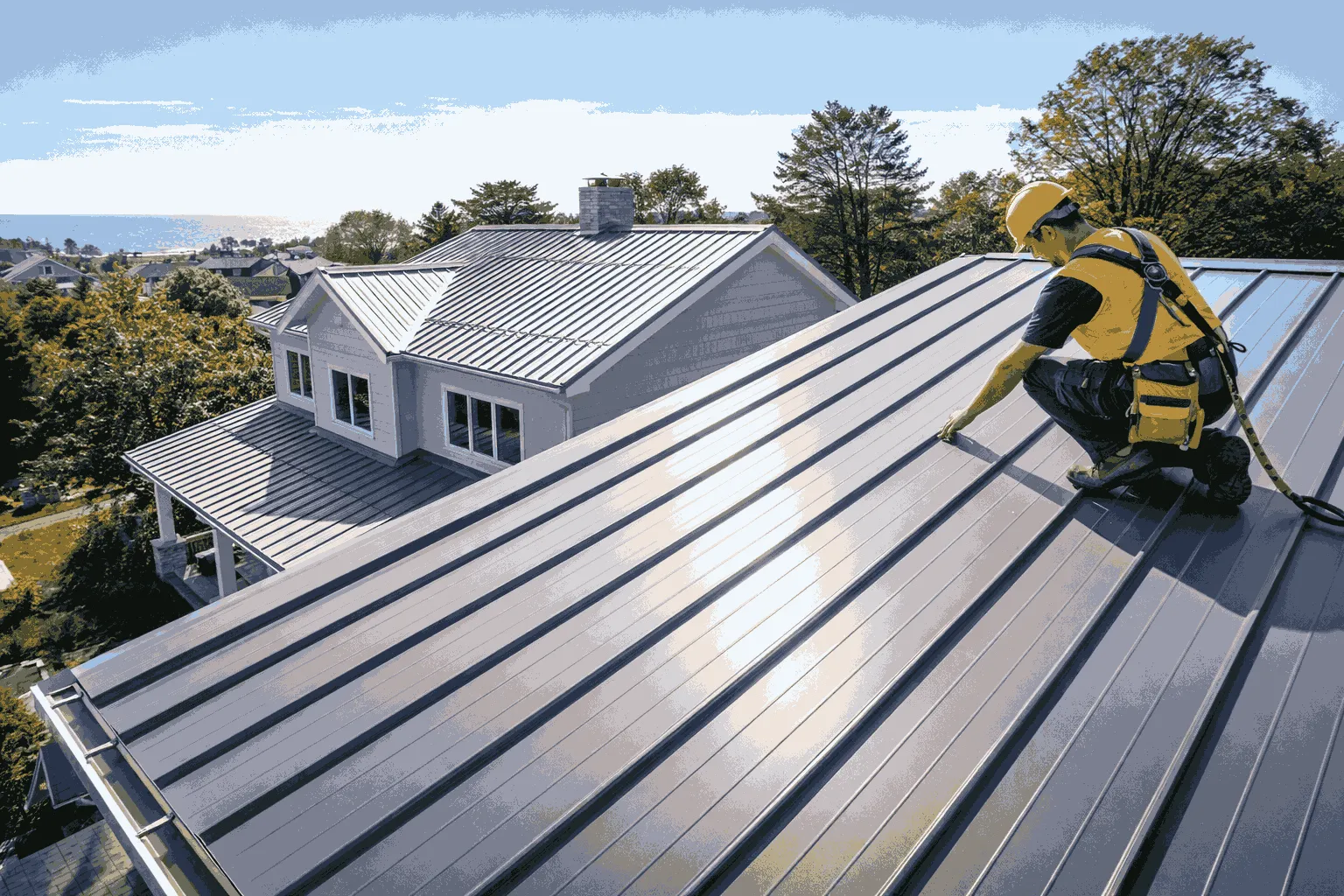
Imagine driving through a neighborhood when a home immediately stands out. The roof reflects sunlight cleanly, looks modern, and gives the impression of long-term durability. In most cases, you are looking at a metal roof. Metal roofing has earned its reputation as one of the most reliable roofing systems available today, offering exceptional lifespan, weather resistance, and visual appeal.
However, what many homeowners do not realize is that the performance of a metal roof depends just as much on what lies beneath it as the panels themselves. While metal roofing is highly resistant to water, it is not immune to moisture intrusion. Seams, fasteners, penetrations, and temperature-driven movement all create potential pathways for water. This is where ice and water shield plays a critical role.
According to the Metal Roofing Alliance, metal roofing now accounts for roughly 18% of the residential roofing market, and that number continues to grow. As adoption increases, understanding proper underlayment choices—especially ice and water shield—becomes essential for long-term roof performance.
This guide explains what ice and water shield is, how it works under metal roofing, when it is necessary, when it may not be required, how climate affects its usefulness, and what homeowners should consider before roof installation.
What Is Ice and Water Shield?
Ice and water shield is a self-adhering waterproof membrane designed to protect roofs from water infiltration caused by ice dams, wind-driven rain, and prolonged moisture exposure. It is typically made from rubberized asphalt or modified bitumen with a peel-and-stick backing that bonds directly to the roof deck.
Once installed, the membrane forms a continuous seal that closes around nails and fasteners, preventing water from traveling beneath the roofing material. Unlike traditional felt or synthetic underlayments, ice and water shield is designed to remain watertight even when exposed to standing water.
For metal roofing, this protection is especially important because metal panels expand and contract with temperature changes. This movement can stress fasteners and seams over time, increasing the risk of small gaps where water can enter.
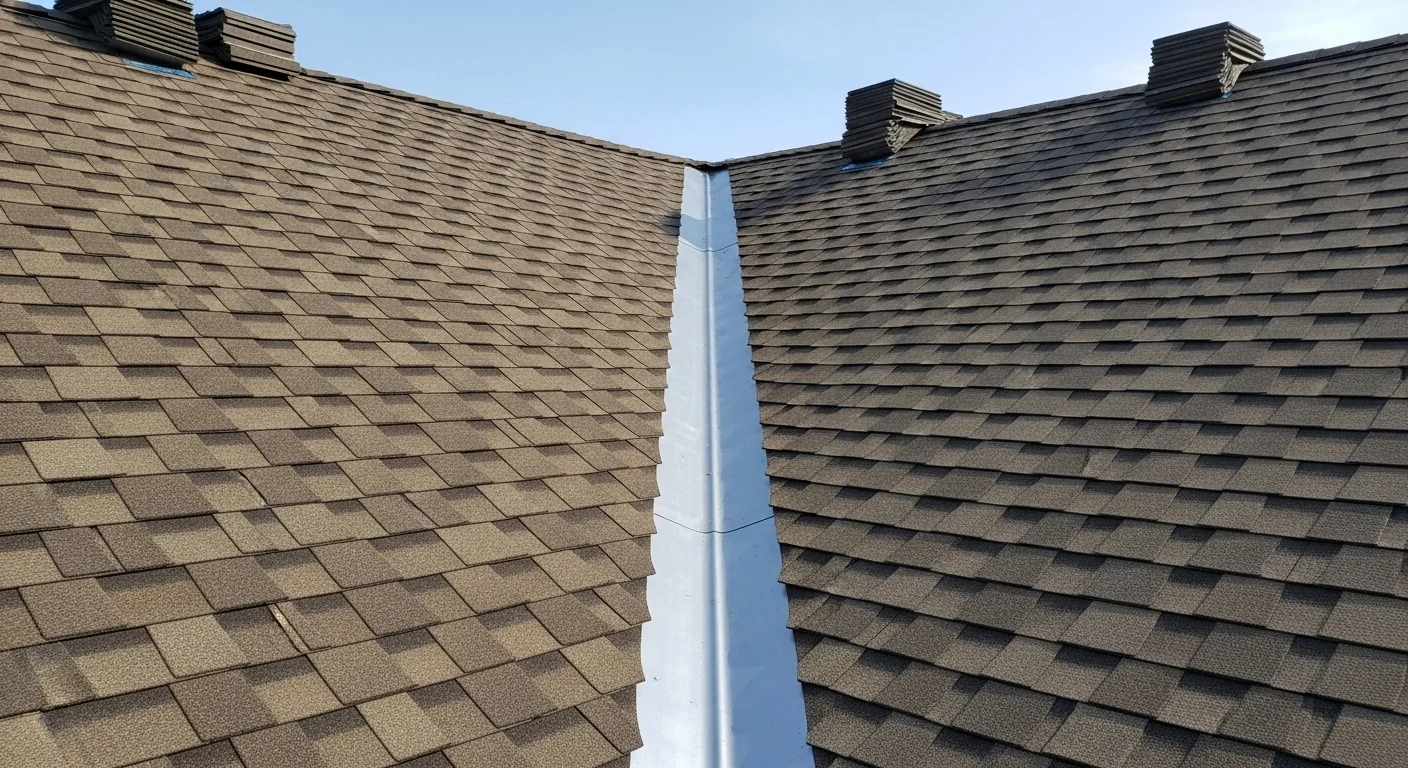
Ice and water shield is commonly installed in the most vulnerable areas of a roof, including eaves, valleys, ridges, dormers, around chimneys, skylights, vents, and any area where water is likely to collect or back up.
Types of Ice and Water Shield
Not all ice and water shields perform the same way. Selecting the right type depends on climate, roof design, and the type of metal roofing being installed.
Standard Ice and Water Shield
Standard membranes are designed for moderate climates with limited temperature extremes. They offer reliable waterproofing but may soften or degrade under prolonged high heat, making them less suitable for some metal roofing systems.
High-Temperature Ice and Water Shield
High-temperature versions are specifically engineered for metal roofs and hot climates. They maintain stability under intense solar exposure and high surface temperatures that metal panels can generate. These products are often required by manufacturers to maintain roofing warranties.
Specialty Ice and Water Shield Products
Some membranes are formulated for extreme cold climates or heavy snow regions. These products remain flexible in freezing temperatures, allowing them to maintain adhesion during freeze-thaw cycles that commonly cause ice dams.
Choosing the wrong type of membrane can reduce its effectiveness or even cause premature failure, which is why product compatibility with metal roofing is critical.
The Role of Underlayment in Metal Roofing Systems
A common misconception is that metal roofing is completely waterproof on its own. While metal panels shed water efficiently, the system still relies on underlayment for secondary protection.
Water can infiltrate a metal roof in several ways. Wind-driven rain can be forced beneath panels, condensation can form on the underside of metal during temperature swings, and ice dams can cause water to back up under seams. Fasteners and penetrations also represent unavoidable interruption points in the roofing surface.
Ice and water shield acts as a second line of defense. If water breaches the metal panels, the membrane prevents it from reaching the roof deck and interior structure. Instead, it channels moisture back toward drainage points.
Beyond water protection, ice and water shield helps manage moisture vapor. Many modern membranes allow limited vapor permeability, reducing condensation buildup while still blocking liquid water. This balance is essential for preventing mold growth, wood rot, and structural deterioration beneath metal roofing systems.
Climate Considerations for Ice and Water Shield
No roofing solution works the same in every region. Climate plays a major role in determining whether ice and water shield is essential or optional.
Cold and Snow-Heavy Regions
In northern climates, ice and water shield is often considered mandatory. Repeated freeze-thaw cycles cause snow to melt and refreeze at roof edges, forming ice dams. These dams trap water, forcing it beneath roofing materials. Without a waterproof membrane, leaks become almost inevitable.
Coastal and High-Wind Areas
Coastal regions face different challenges. Wind-driven rain, salt exposure, and frequent storms increase moisture intrusion risks. Ice and water shield helps block rain forced under metal panels during high winds and adds protection against corrosion-related failures.
Hot and Arid Climates
Even in warm climates, ice and water shield can be beneficial. Rapid temperature fluctuations cause metal panels to expand and contract daily, stressing seams and fasteners. Occasional intense storms can overwhelm standard underlayments. High-temperature membranes help maintain long-term durability in these environments.
The key is understanding local weather patterns and matching membrane performance to regional conditions.
Installation Requirements and Best Practices
Installing ice and water shield correctly is just as important as choosing the right product. Poor installation can be worse than no membrane at all.
The roof deck must be clean, dry, and structurally sound before installation. Any damaged wood should be replaced, and surfaces must be free of dust and debris to ensure proper adhesion.
Membranes must be measured and cut precisely. Overlaps should follow manufacturer specifications, typically ranging from three to six inches. Seams must be rolled firmly to eliminate air pockets and ensure full adhesion.
Special attention is required at valleys, roof edges, penetrations, and transitions. These areas experience the highest water exposure and are the most common failure points.
Because improper installation can trap moisture or compromise waterproofing, many manufacturers require professional installation to maintain warranty coverage.
Cost Implications and Long-Term Value
Adding ice and water shield increases upfront roofing costs, but the long-term financial benefits often outweigh the initial expense.
Water damage repairs can be extremely costly. Structural wood replacement, insulation damage, mold remediation, and interior repairs quickly exceed the cost of preventative protection. Ice and water shield reduces the likelihood of these failures.
Many insurance providers recognize the value of enhanced roof protection. Homes equipped with advanced underlayment systems may qualify for lower premiums or improved coverage terms.
Additionally, proper underlayment can extend the overall lifespan of a metal roof by protecting the deck and structural components beneath the panels.
Alternatives to Ice and Water Shield
While ice and water shield offers the highest level of protection, alternatives exist depending on budget and project scope.
Synthetic Underlayments
Synthetic underlayments are lightweight, durable, and water-resistant. However, they are not fully waterproof and rely on proper installation to prevent leakage.
Felt Paper
Felt underlayment is inexpensive but offers limited durability and tear resistance. It provides minimal protection against standing water and is generally not recommended for long-term metal roofing systems.
Acrylic Adhesive Underlayments
These advanced products offer excellent temperature resistance and vapor permeability. They are effective but more expensive and require specialized installation techniques.
Self-Adhering Membranes
Similar to ice and water shield, these membranes provide strong waterproofing but must be protected from prolonged UV exposure and installed carefully.
Each alternative involves tradeoffs between cost, durability, and performance.
Maintenance and Longevity of Metal Roofing Systems
Even the best roofing systems require maintenance. Proper upkeep ensures both the metal roof and the underlayment perform as intended.
Regular inspections should be conducted at least twice per year and after severe weather events. Look for loose fasteners, damaged panels, corrosion, or sealant deterioration.
Debris should be removed regularly to prevent moisture retention. Gutters must remain clear to avoid water backup along roof edges.
Avoid pressure washing, which can damage protective coatings. Use mild cleaners and soft tools when cleaning is necessary.
Limit foot traffic on metal roofs and schedule professional inspections every few years to identify issues not visible during routine checks.
Conclusion
A metal roof is more than just a durable exterior surface. It is a complete system that relies on every layer working together. Ice and water shield plays a critical but often overlooked role in protecting that system from moisture damage, temperature stress, and long-term deterioration.
Whether you live in a cold, coastal, hot, or mixed climate, understanding when and how to use ice and water shield under metal roofing can make the difference between a roof that lasts decades and one that develops problems far sooner than expected.
Investing in proper underlayment, consulting experienced professionals, and choosing climate-appropriate materials ensures your metal roof performs as beautifully as it looks.