A roof is not just a covering—it is a system. The best roofing systems are designed to work together to protect a structure from weather, manage heat and moisture, resist long-term wear, and preserve the value of the property. Choosing the best roof means looking beyond surface appearance and understanding how materials perform over time under real conditions.
Homeowners often encounter dozens of roofing options, each marketed as “high quality” or “long lasting.” In reality, only a few roofing materials and systems consistently outperform the rest. This guide focuses exclusively on the best roofing choices, explaining what makes them superior, how they perform, and why professionals recommend them.
The Best Roofing Materials for Residential Homes
Architectural Asphalt Shingles: The Best Overall Roofing Material
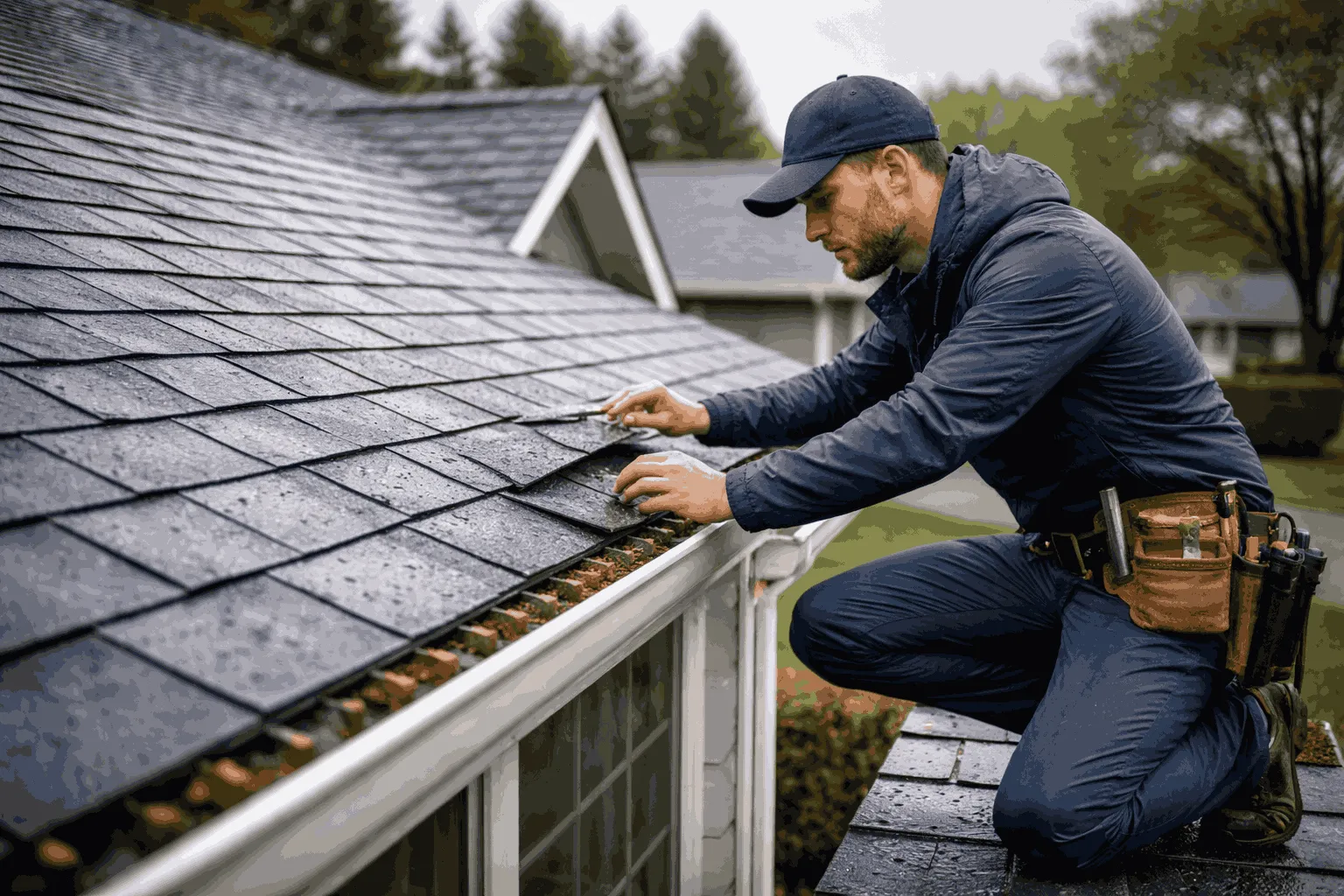
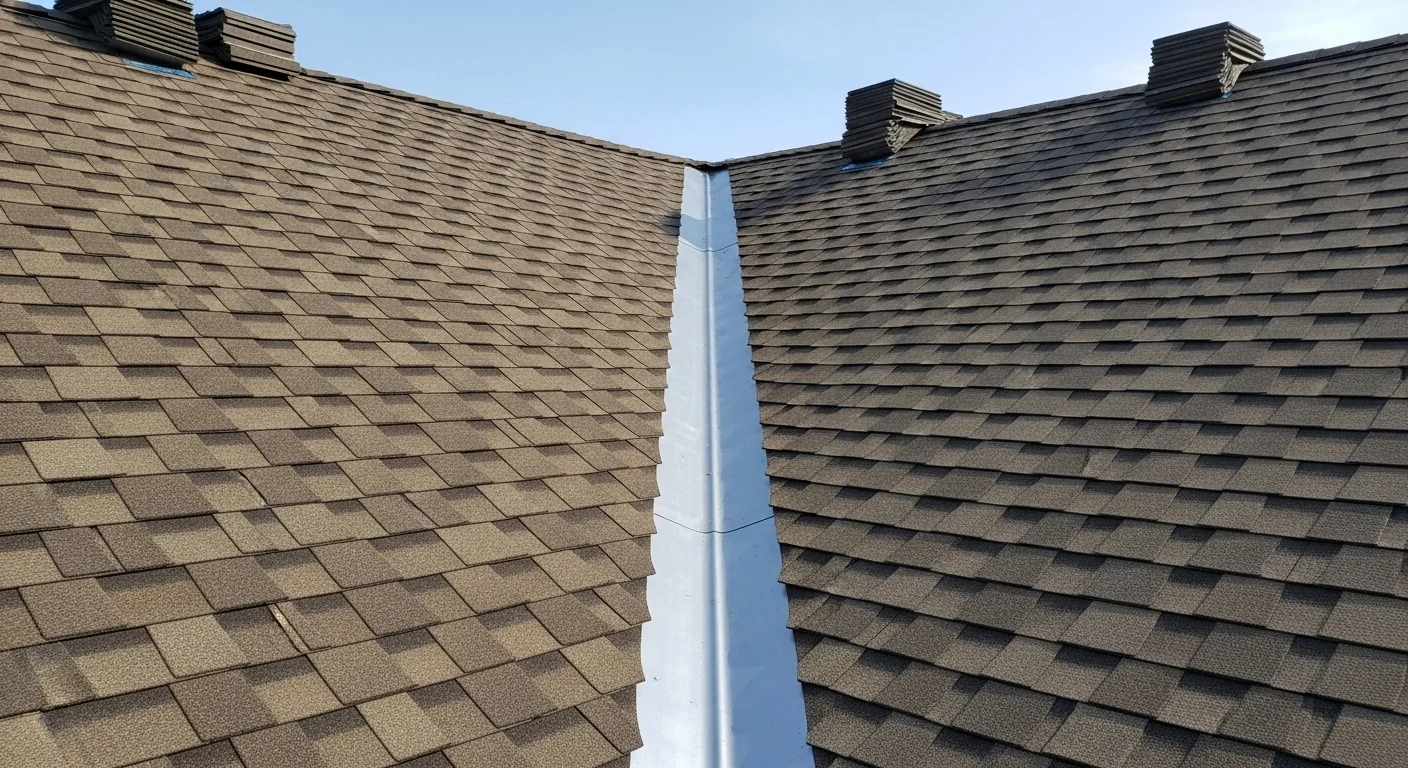
Architectural asphalt shingles are considered the best overall roofing material because they offer the strongest balance between cost, durability, appearance, and ease of repair. Unlike basic three-tab shingles, architectural shingles are thicker, layered, and engineered to provide better wind resistance and longer service life.
What makes architectural asphalt shingles superior is their structural design. The added thickness improves impact resistance and allows the shingles to withstand higher wind speeds. The layered profile also creates a dimensional appearance that mimics more expensive materials, improving curb appeal without the cost of premium systems.
From a performance standpoint, architectural shingles provide reliable waterproofing, consistent ventilation compatibility, and predictable aging. When installed correctly, they deliver decades of dependable service with manageable maintenance requirements. For most homeowners, this material represents the best value roofing system available.
Metal Roofing: The Best Long-Term Roofing Investment
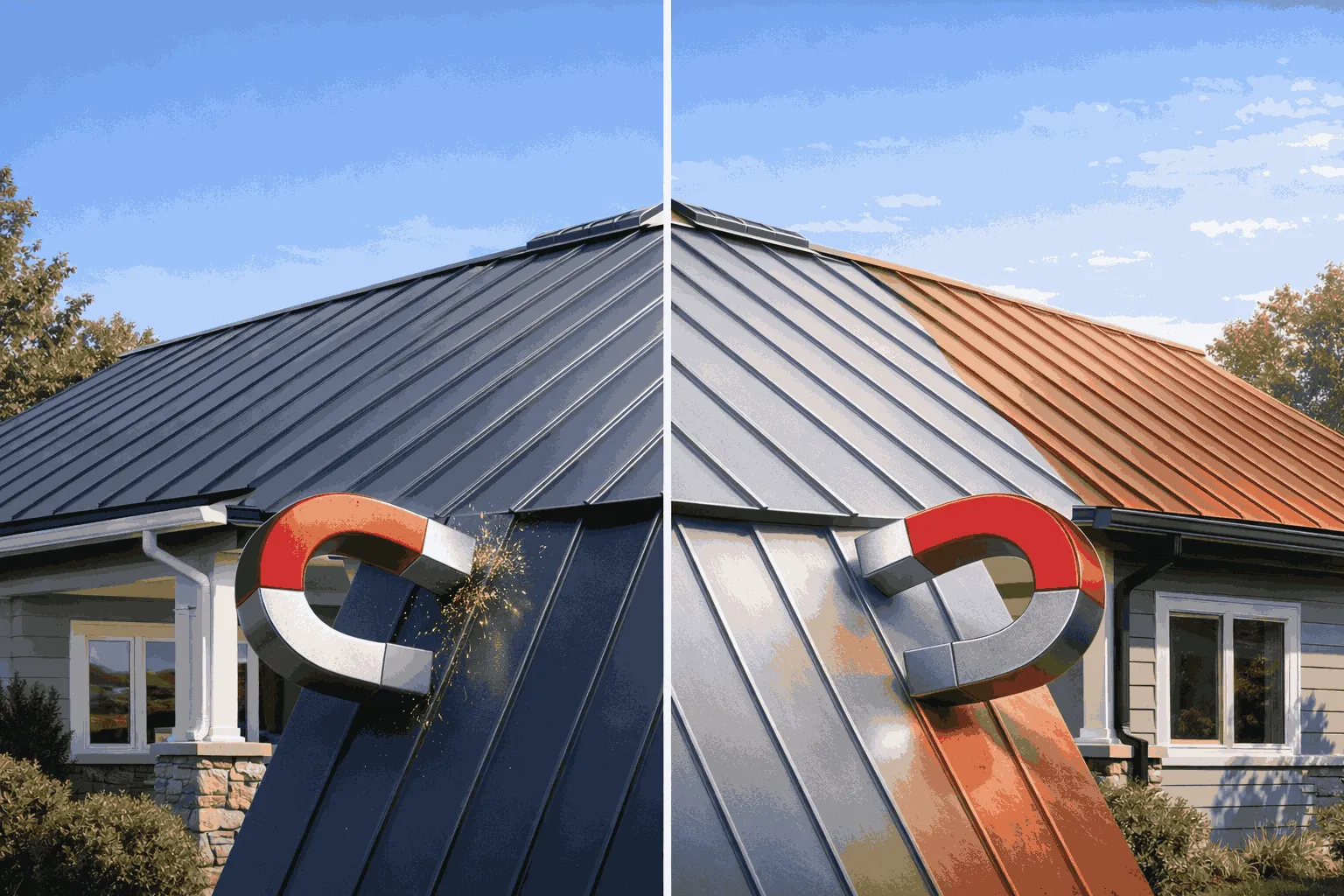
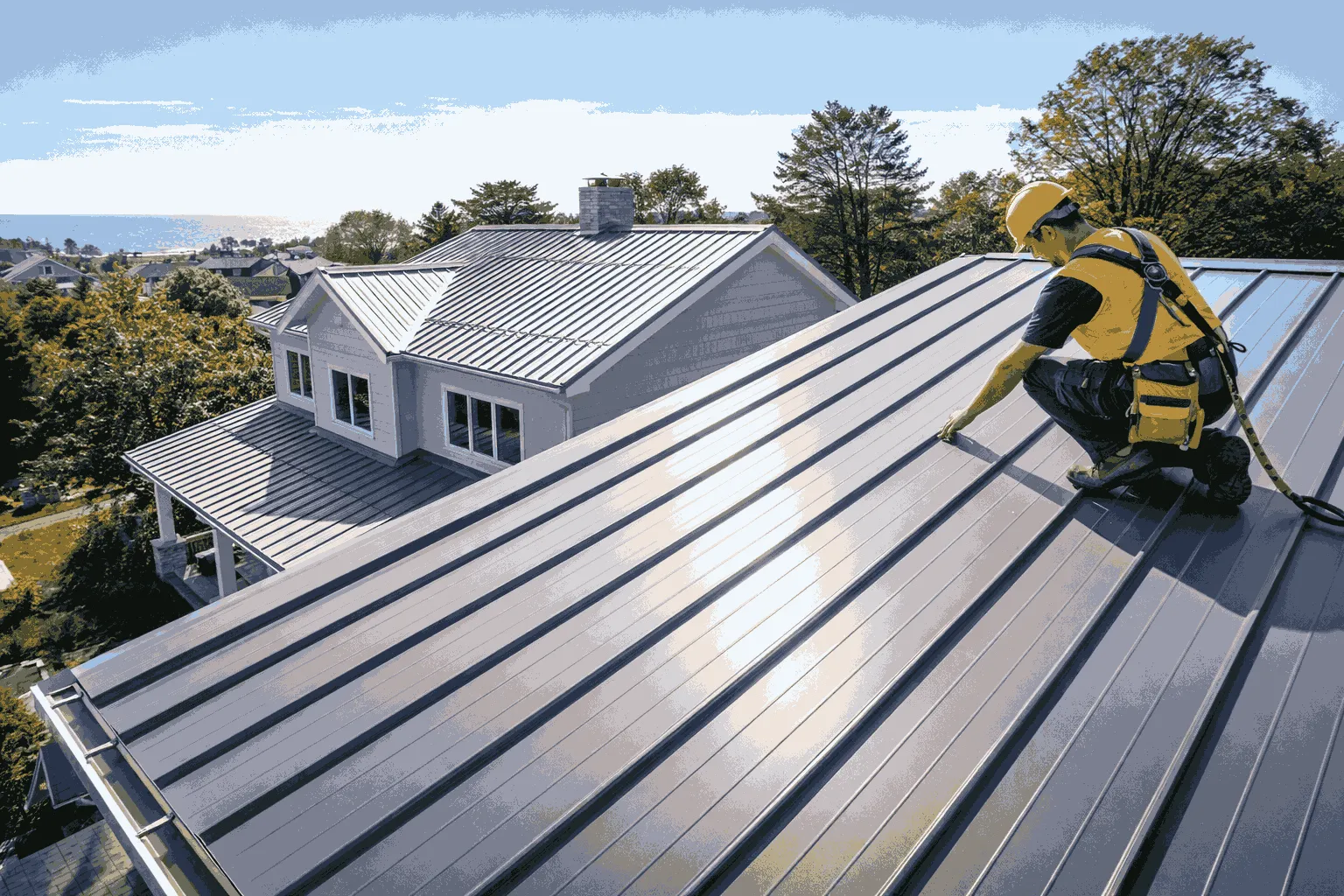
Metal roofing stands apart as the best roofing option for homeowners who prioritize longevity, durability, and energy efficiency. While the upfront cost is higher than asphalt-based systems, metal roofing compensates by lasting two to three times longer and requiring far less maintenance.
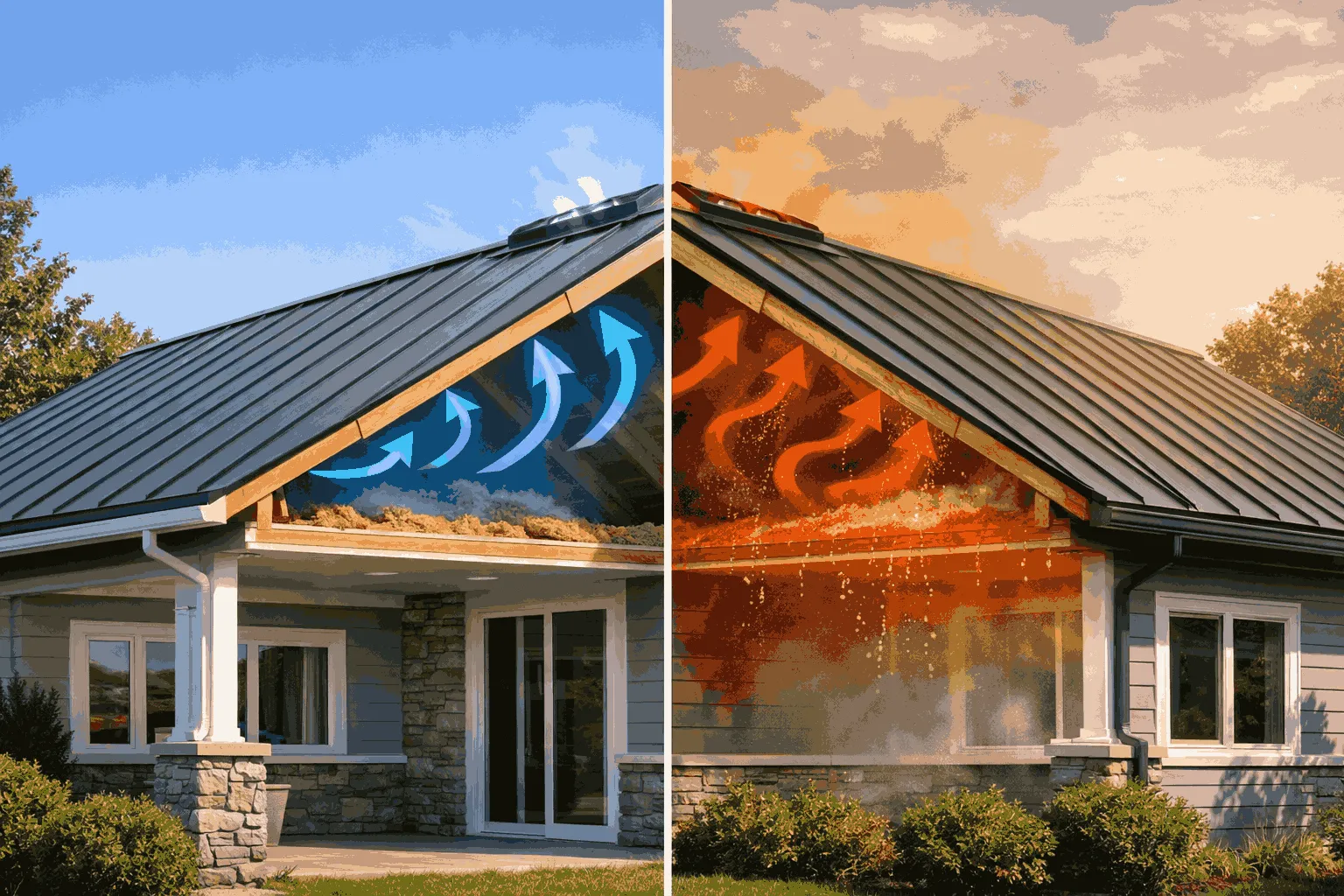
The reason metal roofing performs so well lies in its material properties. Metal does not crack, rot, warp, or absorb moisture. It resists fire, sheds snow efficiently, and performs exceptionally well under extreme wind and temperature fluctuations. In addition, metal roofing reflects solar heat, reducing attic temperatures and improving overall energy efficiency.
Professionally installed metal roofs often remain functional for 50 years or more, making them a lifetime roofing solution for many homeowners. When long-term performance and reduced replacement cycles are the priority, metal roofing is unmatched.
Slate Roofing: The Best Roofing Material for Maximum Lifespan
Slate roofing is widely recognized as the most durable roofing material ever used in residential construction. Its superiority comes from its natural composition—slate is a dense, stone-based material that resists water absorption, UV degradation, fire, and extreme temperature changes.
A properly installed slate roof can last 100 years or longer, far exceeding the lifespan of any manufactured roofing product. Unlike synthetic materials, slate does not deteriorate chemically over time. Its performance remains consistent decade after decade.
Slate is considered a premium option because it requires skilled installation and a structure capable of supporting its weight. However, from a purely performance-based perspective, slate represents the highest standard in roofing durability and longevity.
Clay and Concrete Tile: The Best Roofing for Harsh and Hot Climates
Clay and concrete tile roofing systems excel in environments where heat, sun exposure, and weather extremes are constant concerns. These materials naturally regulate temperature by slowing heat transfer, helping homes remain cooler in hot conditions.
What makes tile roofing one of the best choices is its resistance to fire, insects, rot, and moisture damage. Concrete tiles offer exceptional strength, while clay tiles maintain color stability and structural integrity over long periods.
Tile roofing systems are heavy, which adds stability against high winds but may require structural reinforcement. When properly supported, they provide decades of reliable protection with minimal material degradation.
Wood Shingles and Shakes: The Best Natural Aesthetic Roofing Option
Wood shingles and shakes remain the best choice when architectural character and natural appearance are the primary goals. Their organic texture and depth cannot be replicated by synthetic products.
From a functional standpoint, wood roofing provides natural insulation and ventilation benefits. However, its performance depends heavily on climate and maintenance. Wood performs best in dry environments and requires treatment to resist moisture, insects, and fire.
While not the longest-lasting system, wood roofing remains the best option for homeowners prioritizing visual authenticity and traditional craftsmanship.
The Best Roof Colors for Performance and Longevity
Roof color plays a critical role in thermal performance and material longevity. The best roof color is one that complements the building design while supporting climate-specific energy efficiency.
Light-colored roofing materials reflect solar radiation, reducing heat buildup and lowering cooling demand. Darker roofing colors absorb heat, which can be beneficial in colder regions where thermal gain helps stabilize indoor temperatures.
Neutral tones consistently provide the best long-term aesthetic value, as they age evenly and adapt to changing exterior designs. The best roof color choice always balances climate performance, material compatibility, and visual harmony.
The Best Paints and Coatings for Roofing Systems
Roof paints and coatings are not cosmetic upgrades—they are protective systems designed to extend roof life and improve performance.
Water-based acrylic coatings are the best option for asphalt shingles because they remain flexible and resist UV degradation. Elastomeric coatings are the best solution for metal roofing due to their ability to expand and contract with temperature changes while maintaining a waterproof seal.
For clay and concrete tile roofs, 100% acrylic coatings provide superior adhesion and weather resistance. Wood roofing performs best with oil-based coatings that penetrate the material and protect against moisture intrusion.
The correct coating system significantly reduces surface deterioration and improves long-term durability.
The Best Commercial Roofing Materials
TPO roofing stands out for its reflective surface, chemical resistance, and cost efficiency. EPDM rubber roofing remains one of the most reliable flat roofing materials due to its flexibility and resistance to weathering. Metal roofing continues to be the best option for commercial structures requiring maximum durability and fire resistance.
Each of these systems is proven to perform under demanding conditions.
The Best Roof Coating Systems
Roof coatings enhance durability and delay replacement when applied correctly.
Acrylic coatings are best for energy efficiency and reflectivity. Silicone coatings outperform others in UV resistance and wet conditions. Polyurethane coatings provide the best protection against impact and abrasion.
Choosing the correct coating system ensures the roof remains protected without compromising material integrity.
The Best Snow Guard Systems for Metal Roofs
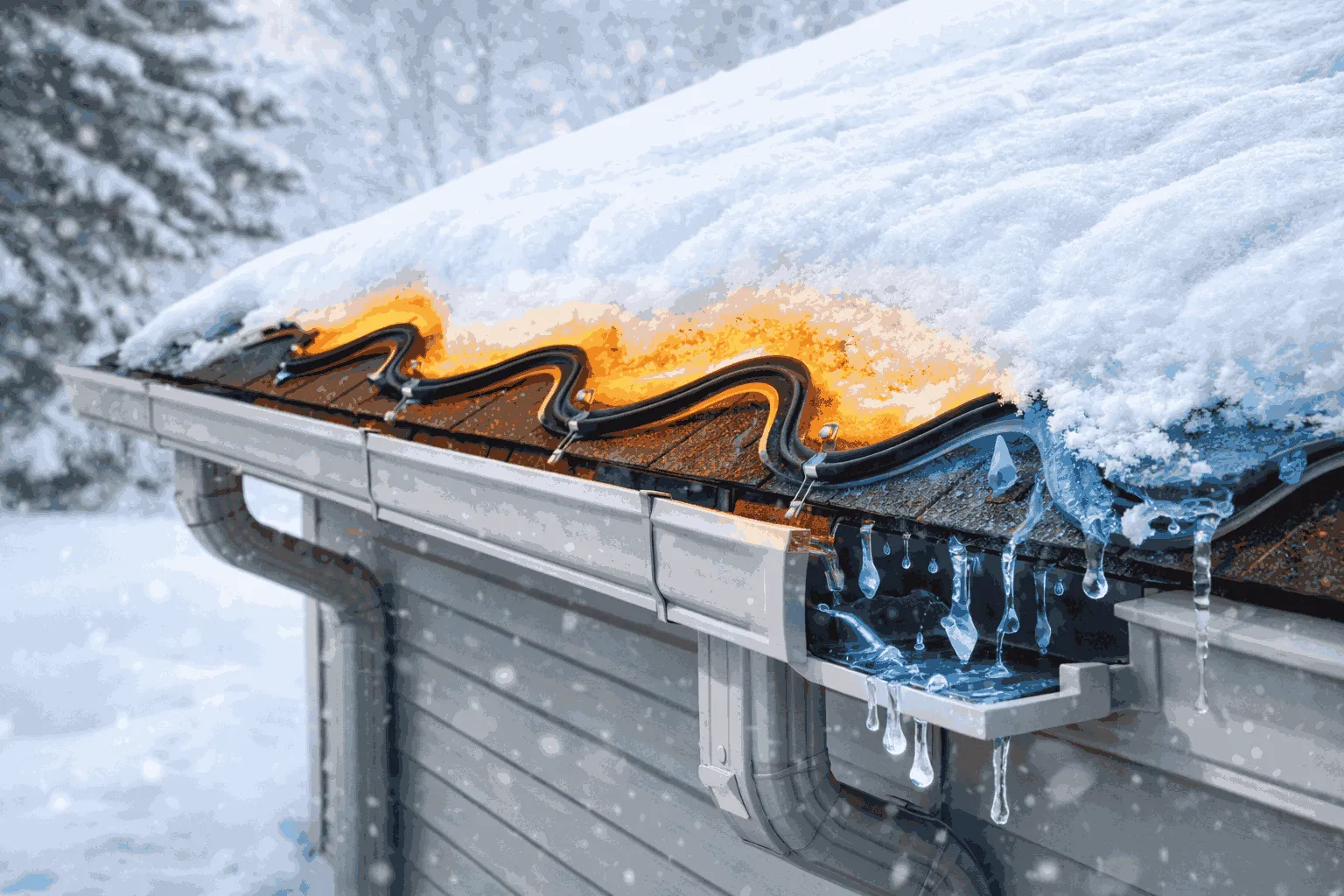
In snow-prone regions, snow guard systems are essential safety components. The best systems prevent sudden snow slides without penetrating the roof surface.
Adhesive-mounted snow guards work well for smaller roofs. Clamp-on systems are ideal for standing seam metal roofs. Rail-style snow guards provide the strongest resistance for large roofs with heavy snow loads.
Proper snow retention protects gutters, landscaping, and people below.
The Best Flat Roofing Materials
Flat roofs demand materials specifically designed to manage water and thermal movement.
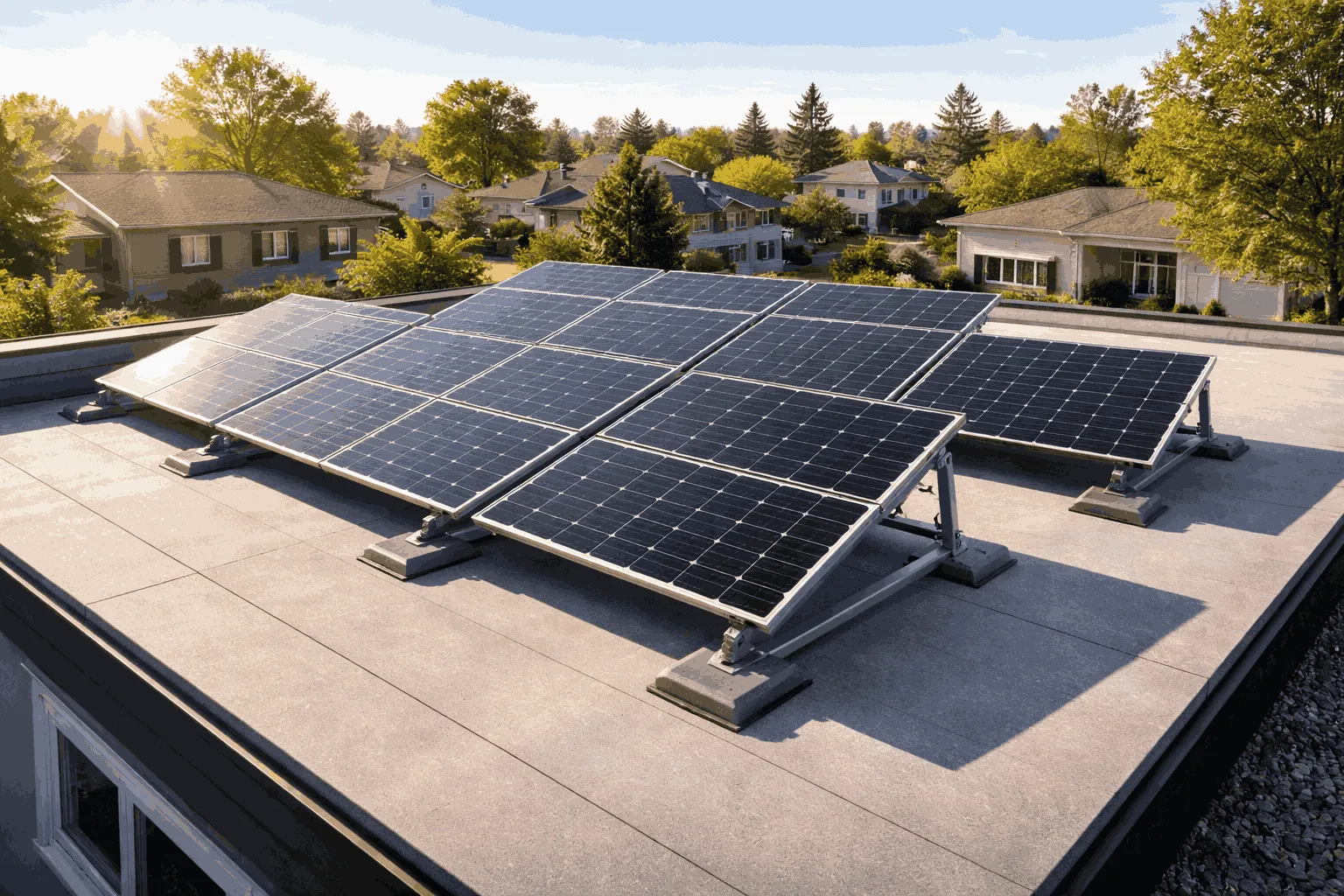
EPDM offers the best balance of cost and durability. TPO provides superior reflectivity and heat resistance. Built-up roofing delivers exceptional impact resistance but requires more maintenance.
Among these, EPDM and TPO consistently perform best in residential and light commercial applications.
Final Thoughts: What Truly Makes a Roof the Best
The best roofing system is not defined by price or popularity—it is defined by performance over time. Materials that resist weather, manage heat, maintain structural integrity, and age predictably always outperform those chosen for short-term savings.
A properly selected and professionally installed roof protects the home, improves energy efficiency, and preserves property value for decades. When roofing decisions are made based on performance rather than marketing, the result is a system that truly earns the title of best.