Key Takeaways
- Black roof streaks are caused mainly by Gloeocapsa Magma, an algae that feeds on the limestone in asphalt shingles.
- Soft washing is the only safe cleaning method: pressure washing strips granules, voids warranties, and damages shingles.
- Prevention methods like copper or zinc strips stop algae from returning, with copper providing longer-lasting protection.
- Insurance rarely covers roof algae cleaning because it’s considered a maintenance issue, not structural damage.
If you have dark streaky stains on the shingles of your Long Island home, then you’re not alone, and no, those are not dirt. These black marks generally expand near the peak and run down the roof slope.
Black streaks on your roof can be alarming. They make a home look older, reduce curb appeal, and can even hint at addressing Roof Stain problems. Whether you’re dealing with asphalt shingles, metal roofing, tile, or wood shakes, the issue is more common than you think.
The good news is that those black streaks typically aren’t an indication of apparent shingle failure or structural damage. The main culprit is, in fact, a living thing that’s growing on your roof.
Here, in our guide, we’ll take a look at the surprising science behind these dark splotches, revealing why your roof is an ideal nesting spot for this common culprit and pinpointing the real source of the gloomy darkening. Most importantly, we’ll share how regular cleaning and preventive maintenance can help you keep your roof looking new and protect your investment.
What Are the Black Streaks on My Roof?
You’re one of the homeowners who take pride in your home’s curb appeal, and you’ve recently noticed dark streaks appearing on your roof shingles. These horrific growths often begin at the roof peak and spread downward.
We do understand your immediate worries: Is the roof failing us? Is it this mold that may be eating up the structure?
It’s generally assumed that the streaks are the result of dirt, pollution, or soot. The reality, however, is much more surprising: Those black streaks aren’t dirt at all; they’re a living organism feasting off your shingles.
- Who Done It: The actual species of algae (or cyanobacteria) responsible for leaving black marks on your concrete.
- Cause: The reason why modern asphalt shingles actually “feed” this organism.
- Describing the Solution: The practical and safe methods for removal and prevention that will restore your roof’s clean look and protect your investment
Causes of Black Streaks on the Roof of Asphalt Shingles
Seeing those dark, ugly streaks on your roof can be alarming. Suppose your roof is covered in asphalt shingles, the most common roofing material in North America. In that case, you are likely seeing a problem that is frustrating millions of homeowners: widespread biological growth.
The good news is that these streaks are usually not a sign of immediate structural failure. The bad news is that they are caused by a pervasive airborne organism that actively feeds on your shingles.
A. Asphalt Roofs
The vast majority of black streaking you see on asphalt roofs is caused by a species of airborne cyanobacteria (often mistakenly called blue-green algae) known as Gloeocapsa Magma. This organism is the primary reason why your roof is turning dark.
- The Food Source: Modern asphalt shingles frequently use limestone (calcium carbonate) as a cost-effective mineral filler. Unfortunately, this filler is the Gloeocapsa Magma’s favorite food.
- The Black Color: The algae itself is actually a microscopic blue-green, but to protect itself from the sun’s harsh ultraviolet (UV) rays, it produces a tough, dark-pigmented outer coating, or sheath. When millions of these coated cells accumulate and are washed down the slope by rain, they create the distinct black streaks you observe.
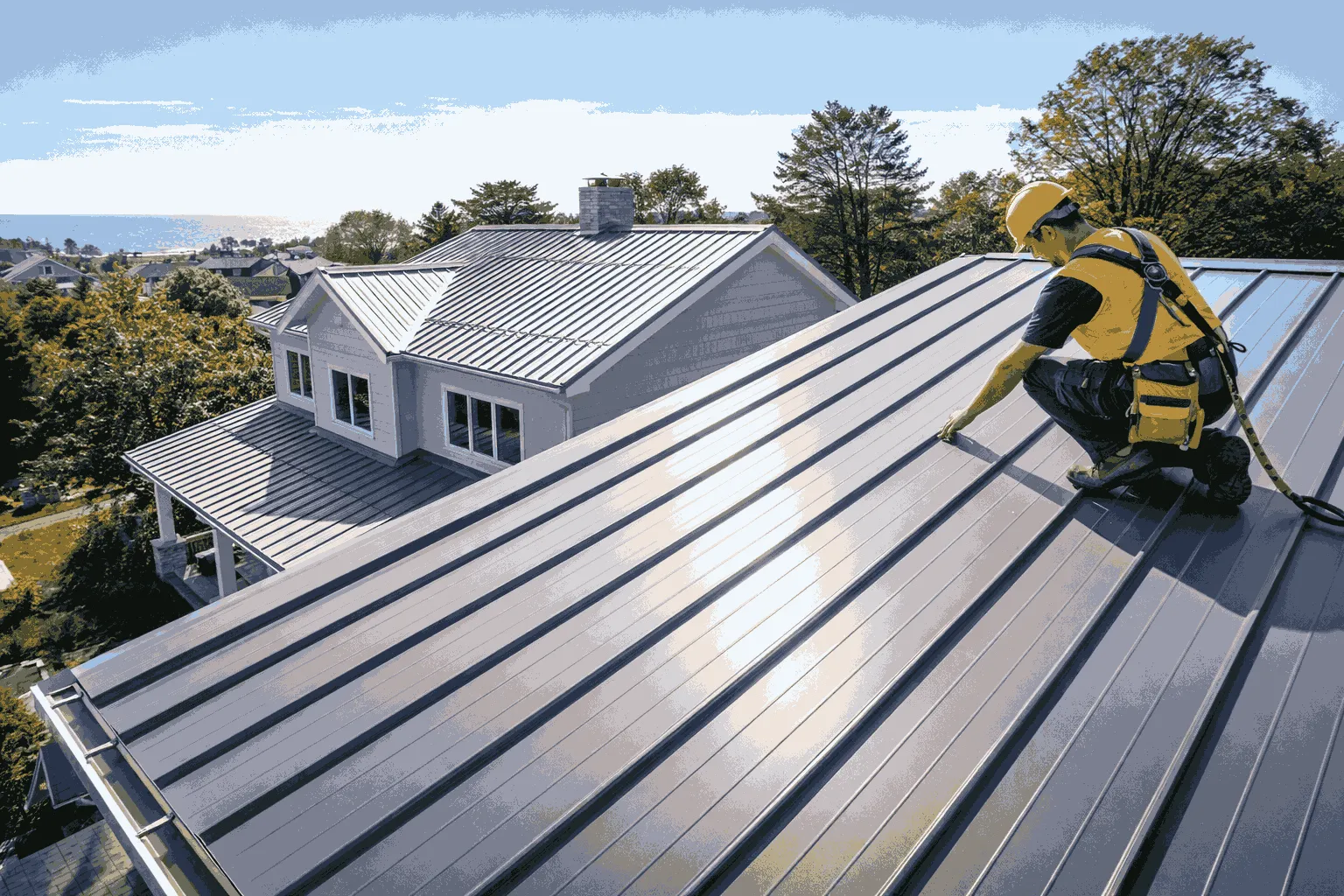
B. Metal Roofs
- Limestone isn’t part of metal, for example, but streaks can still appear because:
- Airborne pollutants
- Mold growing where debris accumulates
- Staining off the runoff of the fascia or gutters
C. Tile Roofs (Clay and Concrete)
Tile roofs don’t typically get algae as easily, but dirt and mold can cling to a porous surface.
D. Wood Shake Roofs
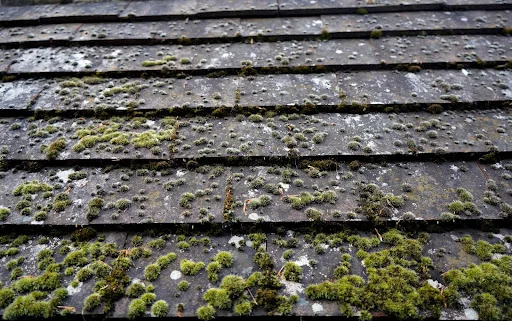
In shady, humid spots, wood can harbor mold and mildew.
Clean Black Streaks Off Roof
Discovering those black streaks on your asphalt roof can be frustrating. You’ve learned they are caused by an organism (Gloeocapsa Magma), and now you’re faced with the following question: How do I get them off without damaging my shingles?
If you want to have a clean, beautiful roof it is achievable, but it requires the proper technique. Asphalt shingles are covered with protective granules that can be easily stripped away by harsh methods, leading to premature roof failure. This is why safety and gentleness are your top priorities.
The correct, manufacturer-recommended methods for removing this stubborn algae, focusing on techniques that kill the organism at the root while protecting the life and warranty of your roof:
1-The Safe Solution: The Strong, Yet Gentle Soft Wash Process
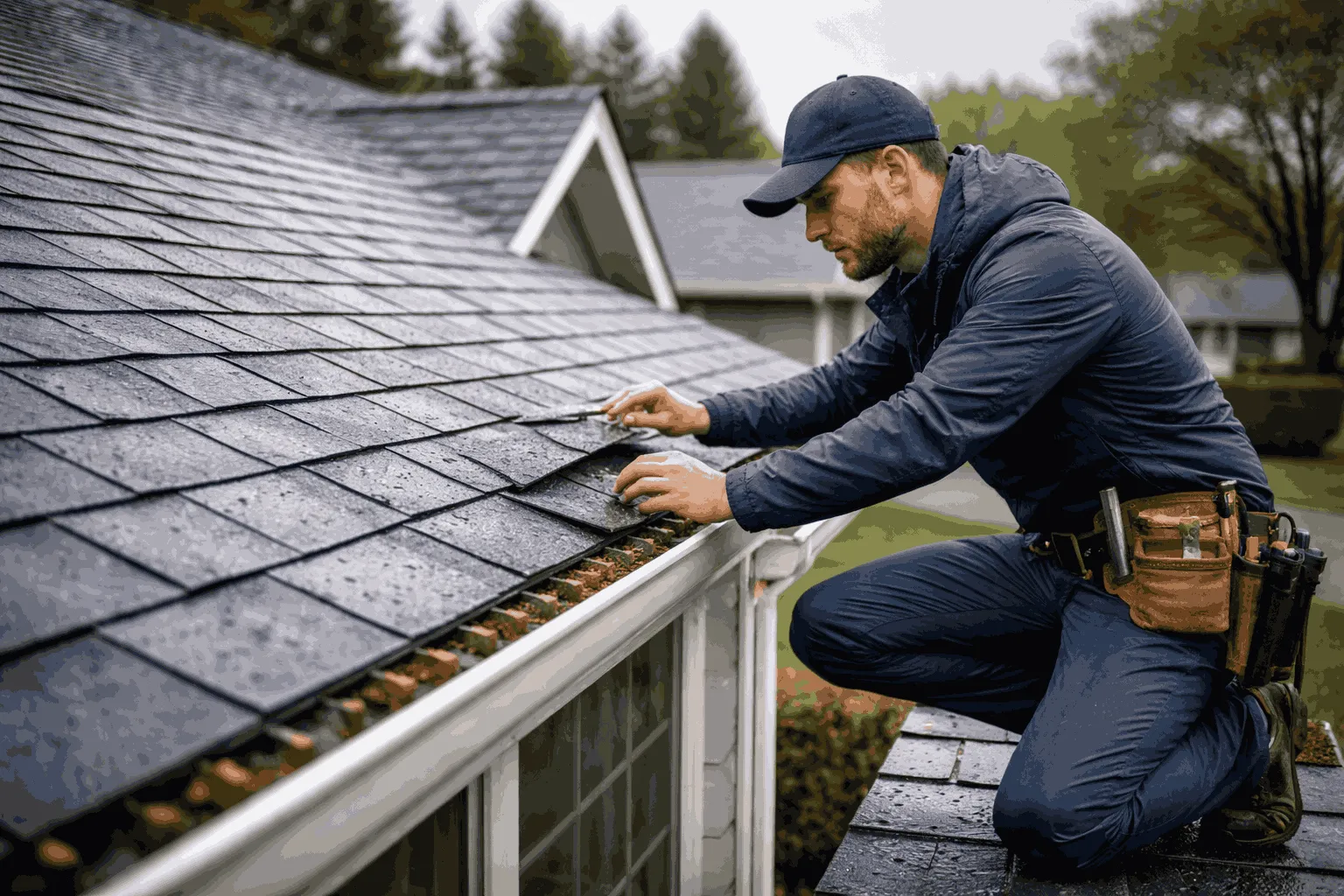
Soft washing operates at lower pressure and uses cleaning agents designed to be gentler on roofing materials. These products dissolve algae, bacteria, and stains at the source without disrupting granules or shortening shingle life. Soft washing protects the integrity of your roof while providing a thorough clean that pressure washing just can’t.
2- DIY vs. Pro The Safety Gear and Mixtures
If you’re one of the few homeowners determined to try a DIY soft wash, you’d better take safety seriously. When working on a roof, you should wear slip-resistant shoes, eye protection, and gloves, and, if possible, wear them at least while walking or using products. The cleaning solution, too, needs to be measured precisely, commonly a mix of sodium hypochlorite, surfactant, and water, and using the wrong ratio can harm shingles or the surrounding landscaping.
Algae vs. Mold vs. Mildew: What’s Really Causing Roof Streaks?
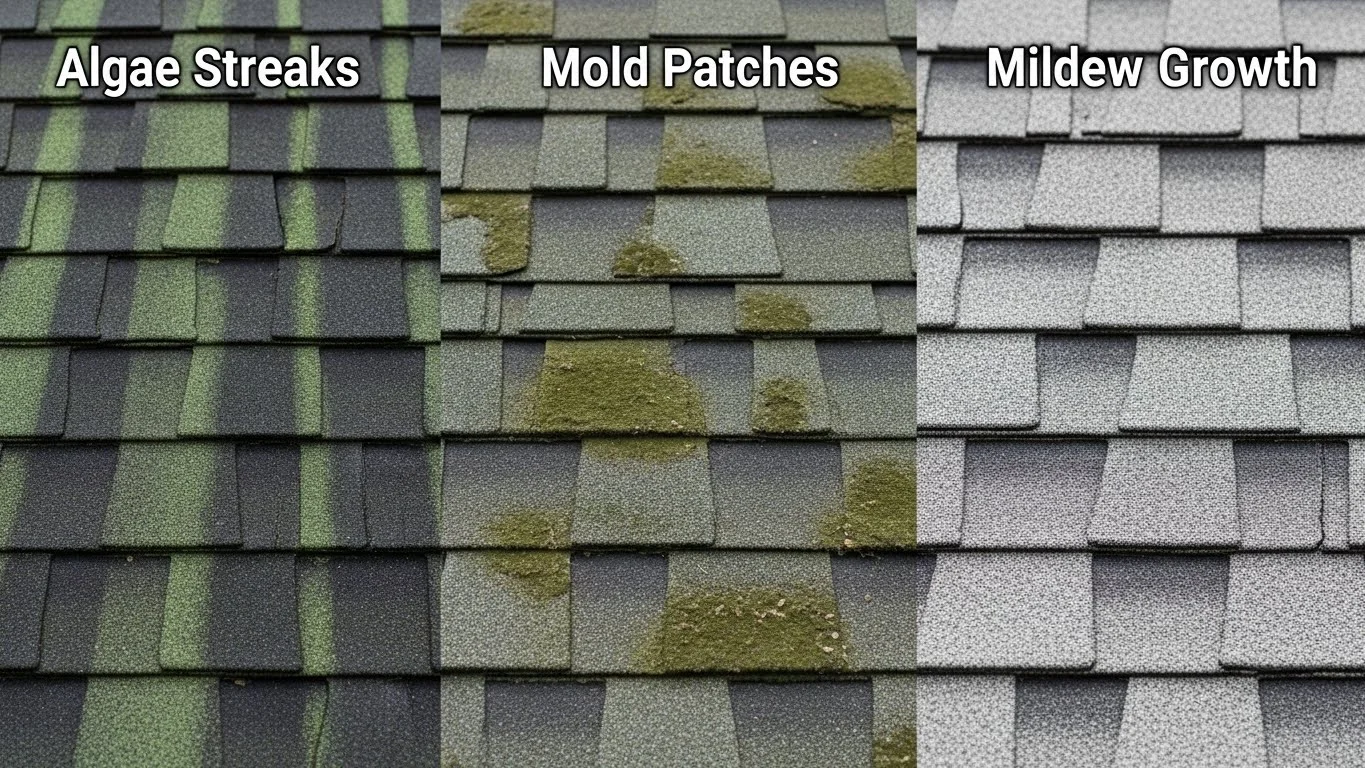
Black streaks on roof shingles are often blamed on mold or mildew, but in most cases, the real cause is algae, specifically a type called Gloeocapsa magma. This airborne algae thrives in warm, humid conditions and feeds on the limestone filler found in asphalt shingles, leaving behind dark, streak-like stains as it spreads. Mold and mildew, on the other hand, usually grow in areas with trapped moisture and organic debris, such as shaded roof sections or places with poor ventilation. While mold can pose health risks indoors, roof mold is less common and typically appears thicker or patchy rather than streaky. Mildew is similar but usually lighter in color and less aggressive. Understanding the difference matters because algae-related streaks are mostly a cosmetic issue, while mold or mildew may point to underlying moisture problems. Identifying the true cause helps homeowners choose the right cleaning method and avoid unnecessary roof damage or costly replacements.
Why You Shouldn’t Pressure Wash Black-Streaked Roofs
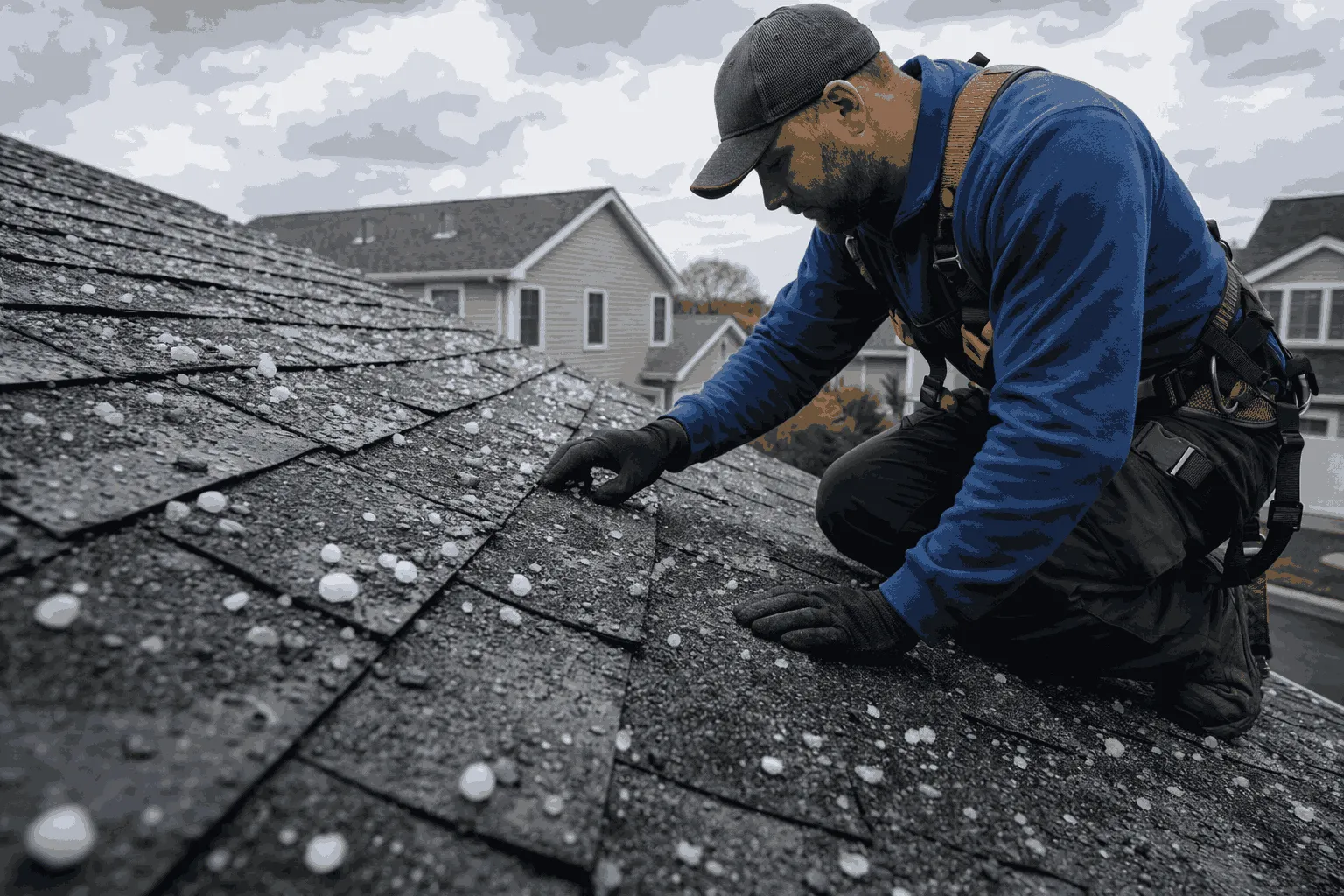
The granular surface of your asphalt shingles is their first line of defense against UV rays, water, and fire. When high-pressure water hits those shingles, it acts like sandpaper, blasting away the protective granules and exposing the asphalt mat underneath. This immediately accelerates shingle deterioration and dramatically shortens your roof’s lifespan.
High-pressure washing might seem like a quick solution for a dirty, streaky roof, but it is actually one of the worst things you can do to your shingles.
That intense force damaged the protective granules that asphalt shingles depend on to shield them from UV rays and to help a roof last longer. A pressure washer will void your roof warranty, leaving homeowners footing the bill for thousands of dollars in repairs.
Zinc Strips vs. Copper Strips: Which Prevents Black Streaks Better?
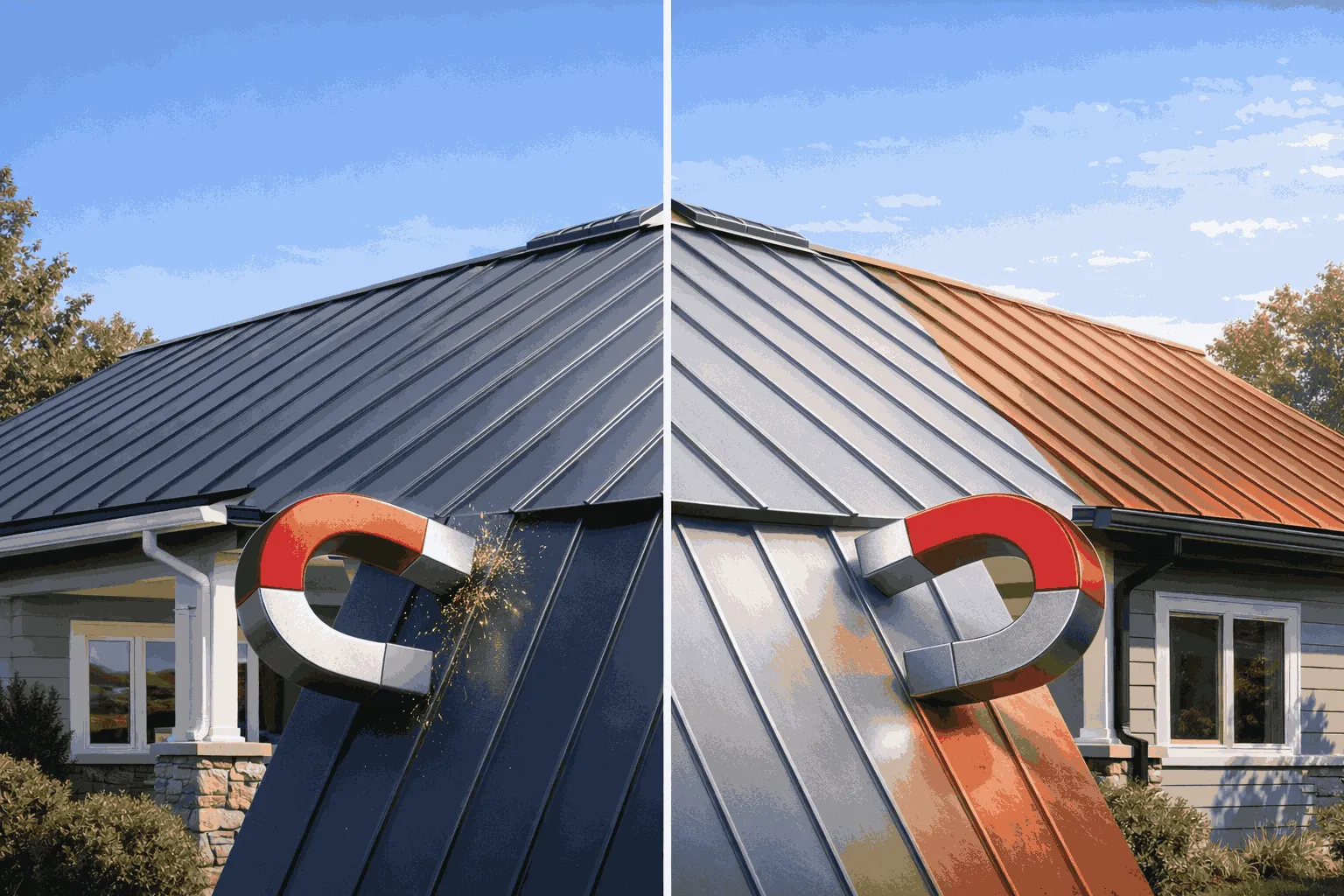
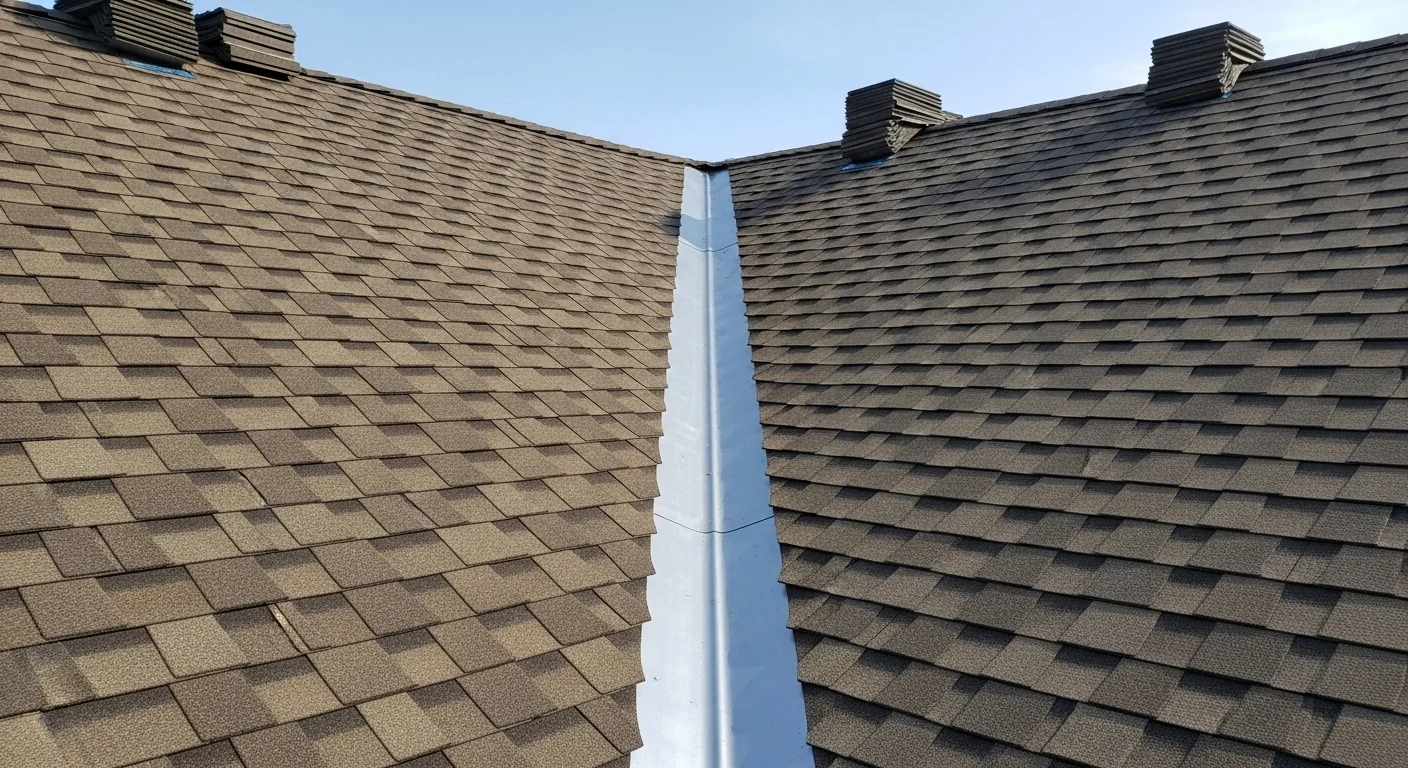
Both zinc and copper strips prevent black streaks on your roof by releasing metal ions that inhibit algae growth, but copper works better and lasts longer.
- Copper (III) produces stronger algaecidal ions, allowing it to kill and prevent Gloeocapsa magma more effectively and for longer.
- Zinc strips are still effective, but they have become less so; in regions with lots of rain that washes off and dilutes zinc ions, the loss of effectiveness is even greater.
- Copper also holds up to corrosion better, which means more protection for the homeowner. As a result, you will find that many people receive 20+ years of protection with copper, as opposed to about 5–10 with zinc.
- Copper is initially more expensive, but it provides the most potent and enduring protection against recurring black streaks, which is why it’s often selected to protect your roof for decades.
Can Insurance Cover Roof Cleaning?
We understand you want to protect your significant investment, and it’s natural to turn to your policy for help when you face an unexpected home maintenance cost. Unfortunately, the answer is usually disappointing: Standard homeowner’s insurance policies typically do not cover the cost of routine roof cleaning.
When it comes to algae streaks, insurance companies draw a substantial line between what they consider cosmetic and what they consider actual damage. Most policies treat early algae growth, including the common Gloeocapsa Magma that causes black streaks, as a maintenance issue, not a roofing failure.
Since it doesn’t break, puncture, or physically harm the shingles in its early stages, carriers classify it as a homeowner’s responsibility, the same way they classify gutter cleaning or mold on siding. Only in sporadic cases, when biological growth is left untouched for years and begins breaking down the shingle’s protective granules, causing actual physical deterioration, could it potentially fall under an insured claim.
This is why roof algae cleaning is almost always an out-of-pocket investment, not because it isn’t serious, but because insurance companies see it as part of routine home upkeep that protects your curb appeal and extends the life of your roof.
Conclusion:
The mystery of the black roof streaks has been solved: the culprit is the tenacious algae, Gloeocapsa Magma, thriving on the limestone filler in your shingles. You now understand that this organism is not just an eyesore but a persistent threat that, if left untreated, can lead to secondary, destructive growth such as moss and lichen, potentially shortening your roof’s lifespan.
The journey from noticing the streaks to achieving a clean, beautiful roof requires two critical steps that serve as your ultimate defense:
- Safety and Soft Washing: You know that high-pressure washing is a destructive mistake. The only way to restore your roof without voiding your warranty is with the gentle, chemical-based Soft Wash method, which kills algae at the root.
- Long-Term Prevention: You understand that adding metallic strips (especially copper) can create a hostile environment that prevents streaks from returning, turning a recurring problem into a long-term maintenance solution.
Ultimately, your roof’s appearance and longevity are in your hands. By using the knowledge in this guide, understanding the science, avoiding harmful cleaning methods, and embracing preventative measures, you are taking control of one of your home’s most important investments.
Frequently Asked Questions
Are black streaks on my roof dangerous or just cosmetic?
Black streaks start as a cosmetic issue caused by algae, but over time they can lead to moisture retention, moss growth, and granule loss. Left untreated, they shorten shingle lifespan and may lead to real roof damage, especially in humid climates like Long Island.
What is the safest way to clean black streaks off my roof?
The safest method is a professional soft wash, which uses low pressure and algae-killing cleaning agents approved by shingle manufacturers. This method protects shingle granules and preserves your roof warranty, unlike high-pressure washing that causes irreversible damage.
How can I prevent black streaks from coming back?
Black streaks can be prevented with long-term solutions like copper or zinc strips installed near the ridge. Rainwater activates these metals, releasing ions that naturally inhibit algae growth. Copper offers stronger, longer-lasting protection often 20+ years.