Key Takeaways
- Missing shingles are not just cosmetic issues; they expose your home to leaks, rot, mold, and high energy costs.
- Even a single missing shingle can compromise surrounding shingles and weaken your roof’s protective barrier.
- Clusters of missing shingles or edge damage drastically increase the risk of water infiltration and structural decay.
- Regular ground-level inspections, especially after storms, help identify roof issues early before they escalate.
Your roof is one of the most critical parts of your home, shielding you and your family from the elements, water damage, and structural problems. But how about when shingles begin to disappear? Lost shingles are about more than aesthetics; they can cause real damage if left unchecked.
Weather damage, aged roofing systems, inadequate installation practices, and high winds often cause the Hidden Dangers of neglecting damaged or missing shingles. Homeowners who don’t catch and fix a few missing shingles before it’s too late may find themselves dealing with water infiltration, mold, or interior damage, which can affect the safety and value of their property.
In this guide, we’ll unpack everything homeowners need to know about missing shingles, from identifying them and replacing them to understanding the long-term impact.
How Dangerous Is a Missing Roof Shingle
From an initial inspection, a single missing shingle doesn’t seem serious. However, the absence of shingles creates weak spots that compromise your entire roofing system. Asphalt shingles act as the primary defense layer of your roof, and when even one goes missing, the system becomes vulnerable. Understanding how shingle roofing systems work helps homeowners recognize why timely repairs matter.
Here’s why it matters:
Weather Exposure:
Shingles act as your roof’s armor, blocking rain, snow, hail, and harmful UV rays. When shingles are missing, the roof deck becomes exposed to moisture, which can lead to rot or mold.
Wind Damage:
Missing shingles allow wind to get underneath nearby shingles, increasing the risk of uplift and creating a domino effect that can spread damage across the roof.
Loss of Home Value:
A damaged roof reduces curb appeal and resale value. Buyers often view missing shingles as a sign of neglect or deeper roofing issues.
Even one missing shingle can trigger a chain reaction of wear and damage, so it’s important to address the problem before it escalates.
Spot Missing Shingles From the Ground
You don’t have to climb up onto your roof to search for missing or damaged shingles. By closely monitoring your home from various angles, early signs of trouble from above serve as useful warnings.
Walk Around the Perimeter
Take a walk around the exterior of your house and inspect the roof from all sides. The places where a shingle is missing may be pretty obvious, form an irregular pattern, or reveal exposed spots of felt underlay that look notably different from the rest of the roof structure.
Use Binoculars
A lovely pair of binoculars will let you check out upper or steeper roof areas without climbing a ladder. You can see lifted edges, loose shingles, nail pops, and early damage that you might overlook from the ground.
Look for Shingle Debris
After big storms, inspect your lawn, driveway, and gutters for shards of broken or curled shingles. Debris on the ground can be a sign that shingles have blown off or become loosened at a specific spot on the roof.
Look for Discoloration or Uneven Lines
Staining is a sign of missing granules (or exposed underlayment), while wavy roof lines indicate lifted or missing shingles. These visual alterations from below are the first warning signs that the roof needs attention.
Regular Visual Inspections
Inspect your roof from time to time and be particularly vigilant after severe weather, such as heavy storms or high winds. Regular inspections help you catch missing shingles early, preventing leaks, structural issues, and costly long-term damage.
How Bad Are Missing Shingles?
Missing roof shingles don’t always cause immediate leaks, but they always weaken your roof’s protective system. The severity depends on how many shingles are missing, where they are located, the age of your roof, and the amount of weather exposure the area receives. Even small gaps can lead to gradual moisture intrusion that stays hidden until significant damage occurs. Below is a deeper look at what different levels of missing shingles truly mean for your home.
Single Shingle Missing
A single missing shingle may seem harmless, but it still leaves a vulnerable spot where water, wind, and UV rays can reach the underlayment. Over time, this exposed area can weaken and begin to be damaged. A single missing shingle can also destabilize the surrounding shingles, causing them to loosen or lift during storms. While the risk is lower compared to larger damage, prompt replacement helps protect the overall structure of the roof.
Multiple Shingles Missing
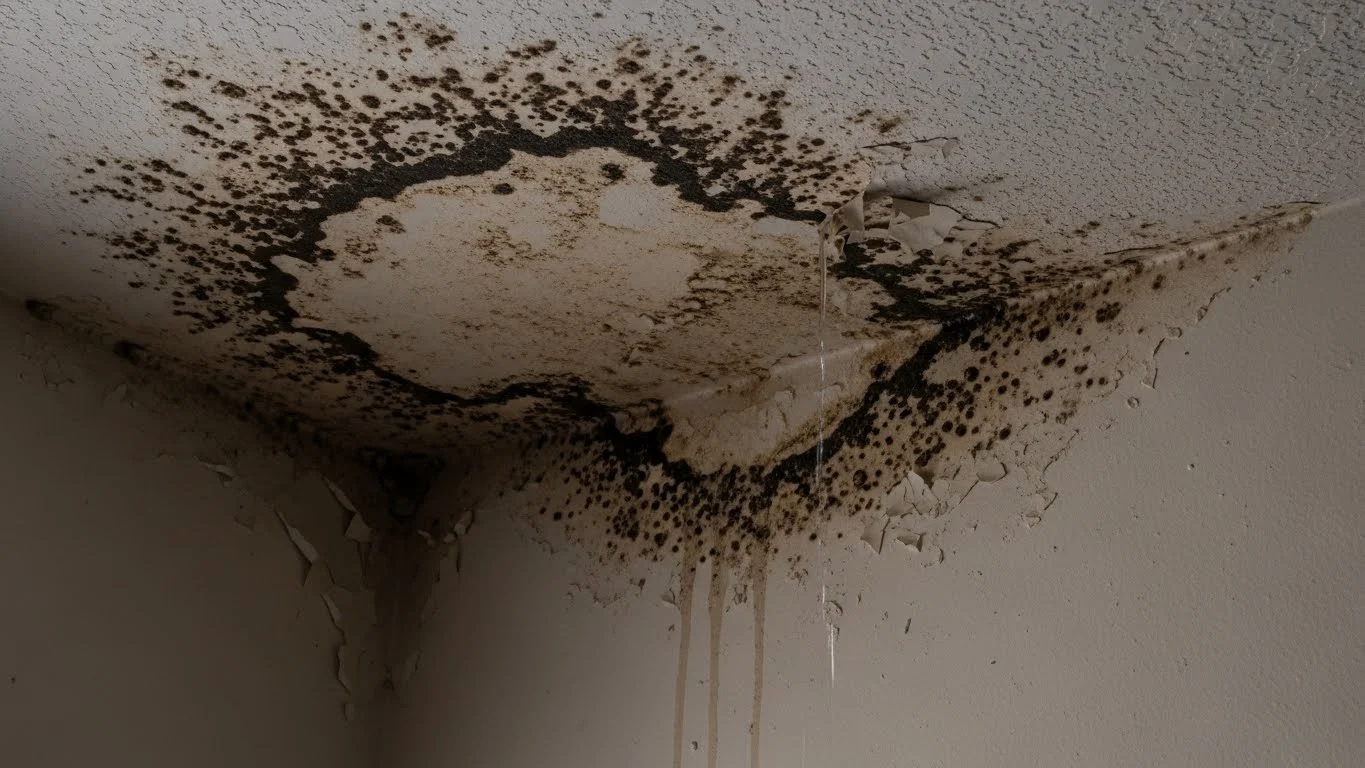
When several shingles are missing, especially in groups, the risk of severe damage increases significantly. Clustered gaps allow water to enter the roof much faster, and during heavy rain or snow, moisture can infiltrate multiple layers of your roofing system. This often leads to wood rot, mold growth, and stains appearing inside the house.
Edge or Corner Damage
Shingles missing along the roof’s edge or near corners create some of the most dangerous weak points. These areas are naturally more exposed to wind uplift and heavy runoff during storms. Once shingles at the edge come off, wind can easily get underneath the remaining shingles, triggering a chain reaction of peeling or tearing.
What To Do About Missing Shingles?
If you find shingles missing from your roof, it is essential to act quickly. Begin by inspecting the roof for missing shingles, and check other shingles for loose, curled, or damaged areas from the ground or with binoculars.
In most cases (notably if several shingles are missing, the roof is high or steeply pitched, or the damage is widespread), hiring a professional roofing contractor is best. We advise that an experienced roofer will be better able to spot any roof issues and suggest the best repair or replacement.
You should also document the damage with photographs clearly showing the missing shingles, fallen debris , and affected areas. This proof can be helpful if you need to file an insurance claim, as most homeowners’ policies cover storm-related shingle loss. Taking action right away can help you save your home and possibly avoid roof repairs.
It’s not as hard to replace shingles as you might think, but it does require safety protocols to avoid making a mess of the surrounding roof.
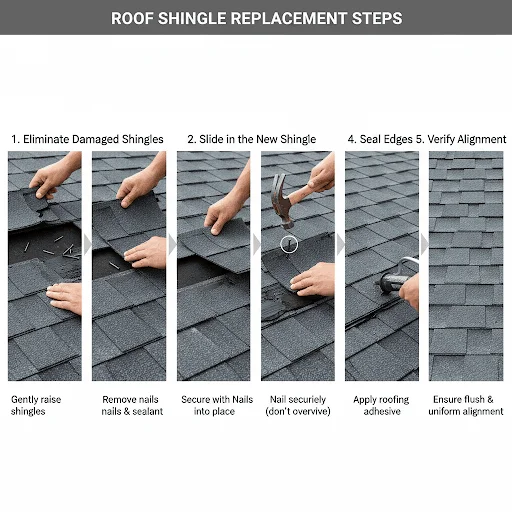
How to Replace Missing Shingles
Materials Needed:
Spare shingles (same if possible), roofing nails, hammer or nail gun, roof cement, pry bar, utility knife.
Step-by-Step Guide:
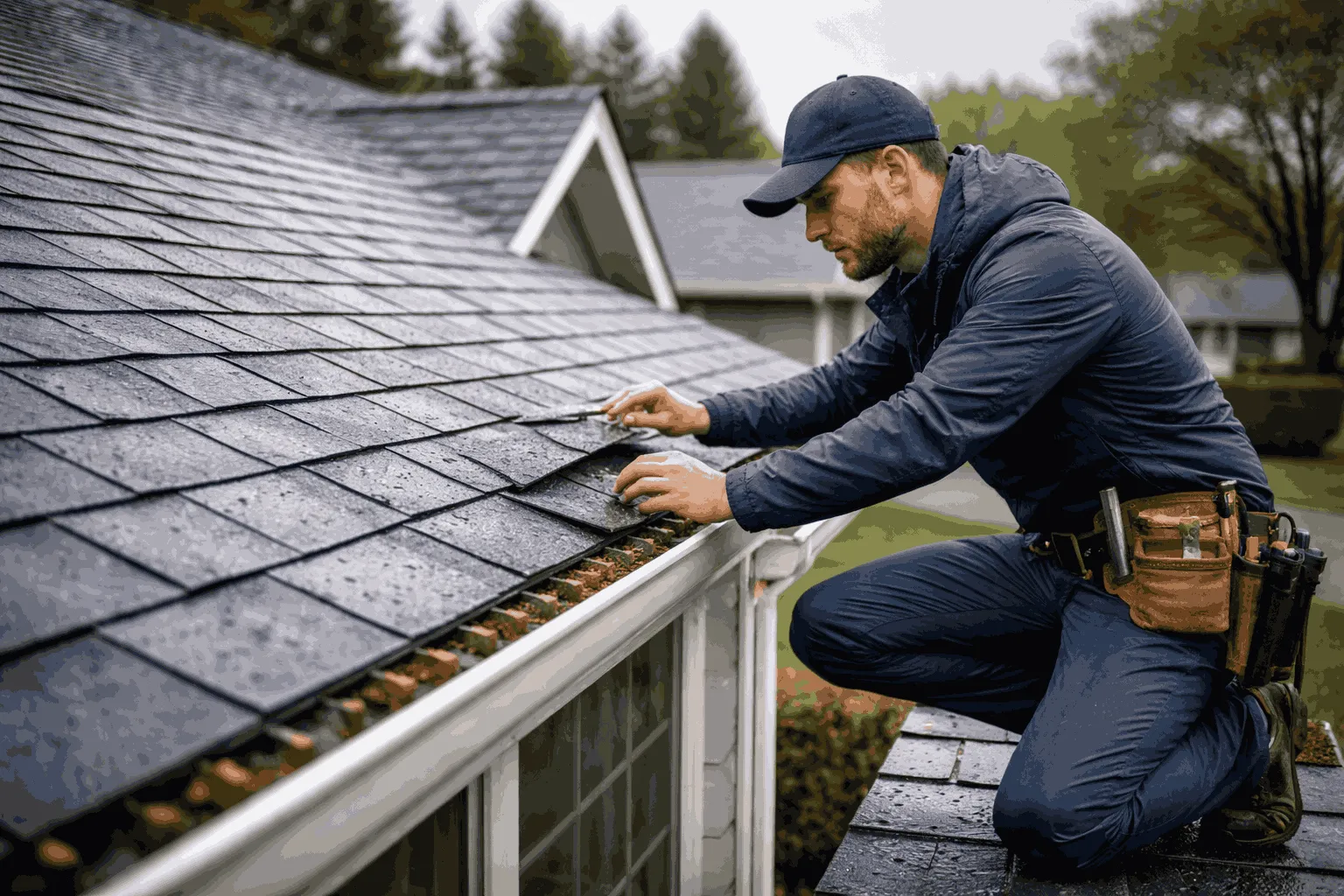
Eliminate Damaged Shingles: Gently raise the bordering shingles with a pry bar, remove any nails, if any, and any remaining sealant from the damaged or missing shingle after lifting it.
Slide in the New Shingle. Slide the new shingle under the one above it so it matches the pattern of the existing ones, but is clear of obstructions.
Secure with Nails: As recommended by the manufacturer, nail the shingle in place. Never overdrive nails, as they can damage the shingle.
Seal Edges: Use roofing adhesive (roof cement) under the new shingle and around the edges of the other tabs to seal them. This will help the new shingle “set” more quickly.
Verify alignment: Ensure the new shingle is flush with the surrounding shingles and that the roof structure appears uniform.
Cons of Missing Shingles
Leaving shingles missing comes with several risks that accelerate aging and can significantly shorten the life of your roof:
Cons of Missing Shingles (Immediate Risks):
- Structural Damage: Water penetration can weaken the roof deck and underlying support beams.
- Mold and Mildew: Moisture trapped under shingles can lead to mold growth, which negatively affects indoor air quality.
- Increased Energy Bills: Missing shingles can reduce your roof’s insulation, leading to heat loss in winter and heat gain in summer.
- Pest Infestation: Exposed roof areas can attract birds, insects, or rodents seeking shelter.
- How Missing Shingles Impact Roof Lifespan
Impact on Roof Lifespan (Long-Term Damage):
- Accelerated Wear: Exposed underlayment and decking are more vulnerable to UV rays, moisture, and wind, accelerating the deterioration of the entire roof assembly.
- Compromised Warranty: Many roofing warranties require that shingles remain intact. Missing shingles can void coverage, leaving you responsible for future major repairs.
- Frequent Repairs: Small problems left unchecked lead to repeated repairs, reducing your roof’s overall durability and performance.
Conclusion
Missing roof shingles are more than a minor issue; they’re a warning sign that your roof needs attention. They can lead to leaks, structural damage, mold growth, and reduced energy efficiency. The good news is that with timely inspection, repair, and maintenance, you can prevent minor issues from becoming costly disasters.
Homeowners should routinely inspect their roofs, especially after storms, and act quickly when shingles are missing. Whether you replace shingles yourself or hire a professional, promptly addressing missing shingles is key to protecting your home, extending your roof’s life, and avoiding unnecessary expenses.
Your roof is your first line of defense against the elements. Don’t let missing shingles compromise that protection. Take action today.