The U.S. roofing industry is entering a period of steady, sustained growth. Recent market research puts the American roofing sector at roughly $34.66 billion in 2026, on pace to climb toward $46.67 billion by 2031 at a compound annual growth rate near 6%. Behind that number is a simple, practical reality for homeowners: more than a third of owner-occupied homes in the U.S. were built before the year 2000, and the median roof nationwide is now past 17 years old — well inside the window where replacement, rather than another round of patch repairs, becomes the financially smarter move.
For homeowners in Nassau County and across Long Island, that math is even less forgiving. A roof here isn’t just fighting age — it’s fighting salt-laden coastal air, nor’easters, and repeated freeze-thaw cycles every winter. A roof is the single largest barrier between your home and the elements, and it directly affects insulation performance, indoor humidity, structural integrity, and resale value. Waiting until a ceiling stain appears is usually the most expensive way to discover a roof problem.
Asphalt shingles remain the default choice for most Long Island homes because of their upfront affordability, but even premium asphalt products carry a rated lifespan of 20 to 30 years under ideal, inland conditions. On Long Island, that number typically shrinks. Constant UV exposure, wind-driven rain, salt air corrosion near the shoreline, and the freeze-thaw cycle that grips the region from December through March all accelerate wear well beyond what a manufacturer’s warranty assumes. This guide walks through the real warning signs, the Nassau County permitting process, current local costs, and the smartest timing for a roof replacement in 2026.
Warning Signs Your Roof Needs Replacing
Roof failure rarely announces itself with a single dramatic event. It shows up in small clues first — clues that are easy to miss from ground level but expensive to ignore.
Shingles That Are Cracking, Curling, or Missing
Once shingles start curling at the edges, blistering, or cracking, their ability to shed water is already compromised. A few missing shingles after a windstorm might be a repair; widespread curling across multiple slopes usually signals the whole roofing system has reached the end of its useful life.
Water Stains, Leaks, or a Musty Smell Indoors
Brown ceiling stains, peeling paint near the roofline, damp attic insulation, or a persistent musty odor are all signs that water has already found a way in. Even a slow, hard-to-locate leak can quietly cause mold growth and wood rot in the attic long before it becomes visible inside a living space.
A Roofline That Sags or Looks Uneven
A sound roof holds a straight, uniform line from ridge to eave. Any dip or wave usually points to a deeper structural issue — often deteriorated decking or rafters weakened by long-term moisture — and that kind of damage almost always requires full replacement rather than a surface patch.
Granules Collecting in Gutters and Downspouts
The granules on asphalt shingles reflect UV rays and shield the asphalt layer underneath. Finding noticeable amounts of loose granules in your gutters, downspouts, or on the ground after a storm is a strong signal that your shingles are nearing the end of their protective life.
Your Roof Has Reached (or Passed) Its Expected Lifespan
Every roofing material has a realistic service window, and Long Island’s coastal climate tends to push actual performance toward the shorter end of these ranges:
- Three-tab asphalt shingles: 15–20 years
- Architectural (laminate) asphalt shingles: 25–30 years
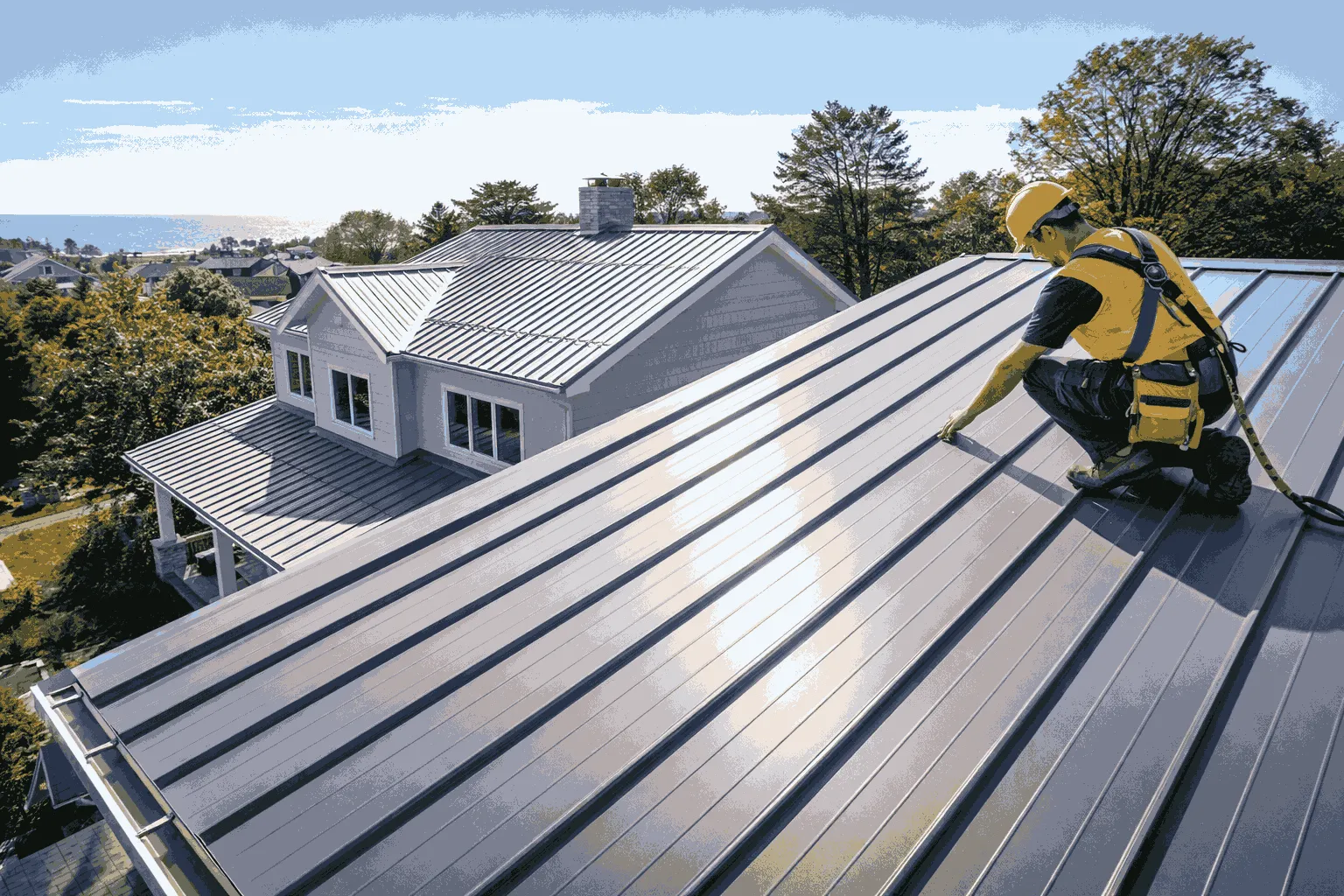
- Standing seam metal roofing: 40–60 years
- Clay or concrete tile: 50+ years (less common in this climate)
If your roof is already inside or past its expected range, planning a replacement now is usually cheaper than waiting for a failure during storm season.
Why Roofs on Long Island Age Faster Than the National Average
Three regional factors do most of the damage here:
- Salt air corrosion — homes closer to the South Shore or open coastal areas see faster breakdown of fasteners, flashing, and shingle granules.
- Nor’easters and wind uplift — modern architectural shingles are typically rated for 110–130 mph wind uplift when properly fastened, and that rating matters far more here than in inland regions.
- Freeze-thaw cycling — Long Island winters push moisture into small cracks repeatedly, widening them each time the temperature swings, which is why proper ice-and-water shield along eaves and valleys isn’t optional in this region.
How Often Should a Nassau County Roof Be Replaced?
There’s no single fixed schedule — timing depends on the interaction of three things.
Material Quality
Architectural shingles consistently outlast basic three-tab shingles, and standing seam metal or tile systems last multiple decades longer, though at a higher upfront cost.
Climate Exposure
Homes directly exposed to coastal wind and salt spray, or sitting in low-lying areas prone to standing snow load, tend to need replacement sooner than homes further inland.
Ventilation and Maintenance History
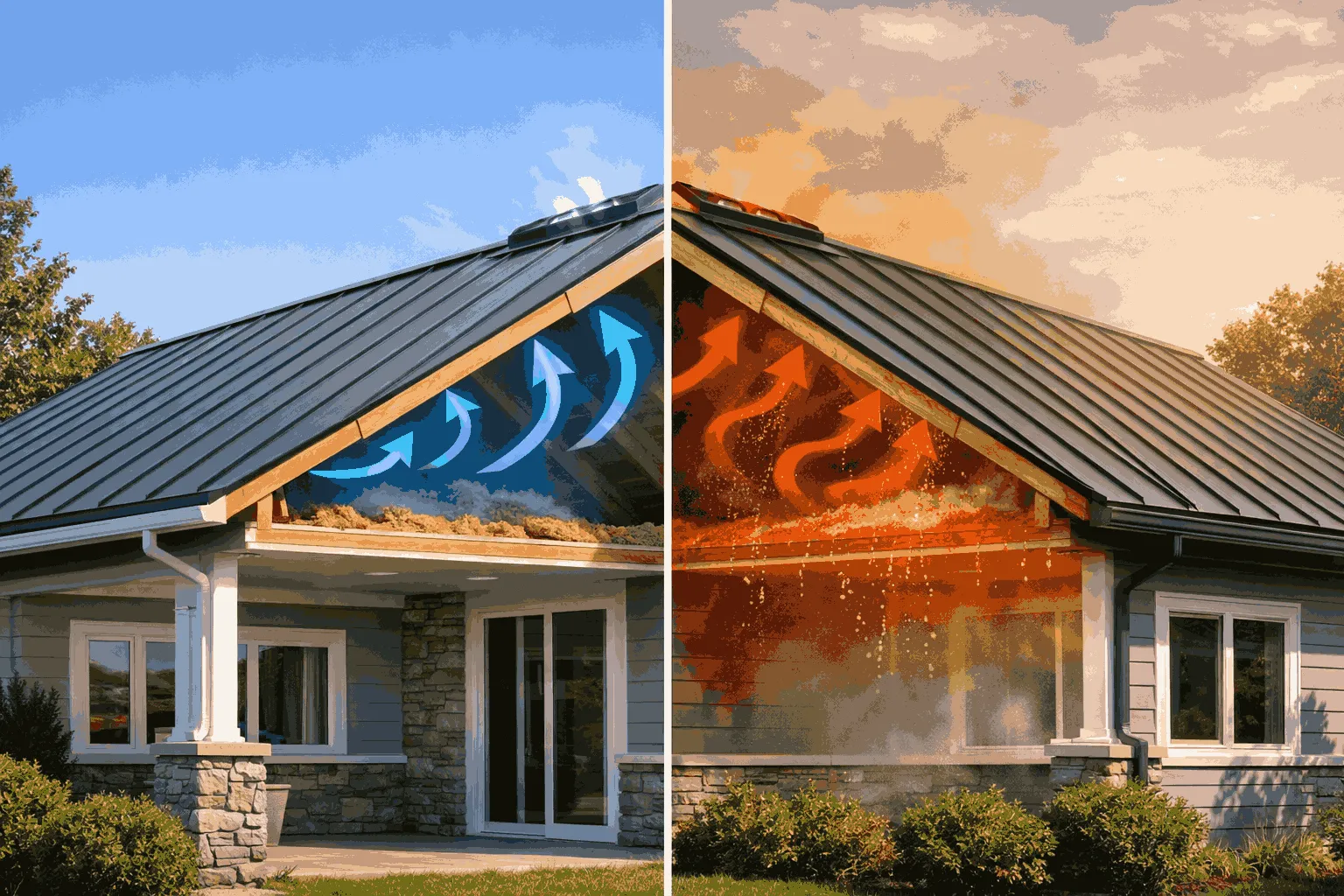
Proper attic ventilation keeps temperature and moisture in balance, which reduces stress on the underside of the roof deck. Homes with a history of regular gutter cleaning and prompt small repairs routinely get more years out of the same roofing material.
The Roof Replacement Process on Long Island, Step by Step
Knowing what actually happens during a replacement helps you evaluate whether a contractor is cutting corners.
Permits and Nassau County Code Requirements
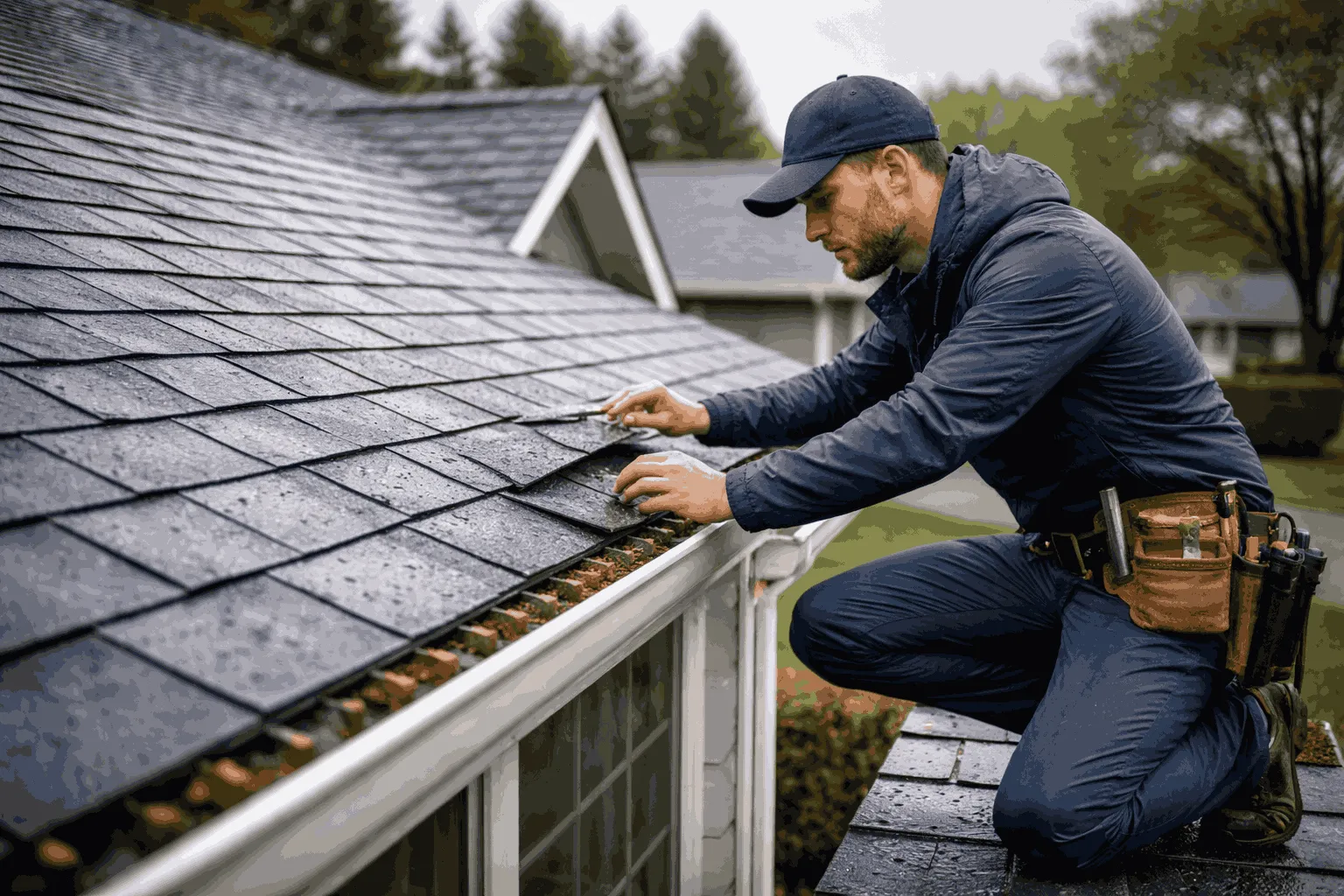
A building permit is required for any full roof replacement in Nassau County — this isn’t optional paperwork, it’s what confirms the work meets New York State Uniform Code wind-resistance and installation standards. As of the 2025 Uniform Code update, replacements must also meet updated continuous-insulation requirements for the region’s climate zone. Even smaller re-roofing jobs — generally anything over roughly 100 square feet, or about three bundles of shingles — typically require a permit, while minor patch repairs usually do not. A licensed, Home Improvement Contractor (HIC)-registered roofer will pull this permit as a standard part of the job and schedule the required inspection once work is complete.
Protecting Your Property Before Work Begins
Landscaping, siding, windows, and outdoor fixtures are covered with tarps and protective barriers, and a safe work zone is set up before any tear-off starts.
Tear-Off and Deck Inspection
Old shingles, underlayment, and flashing are stripped down to bare decking. This is the point where hidden problems — soft spots, rot, or prior water damage — actually surface, and any compromised decking should be replaced before new material goes down.
Underlayment, Ice-and-Water Shield, and Flashing
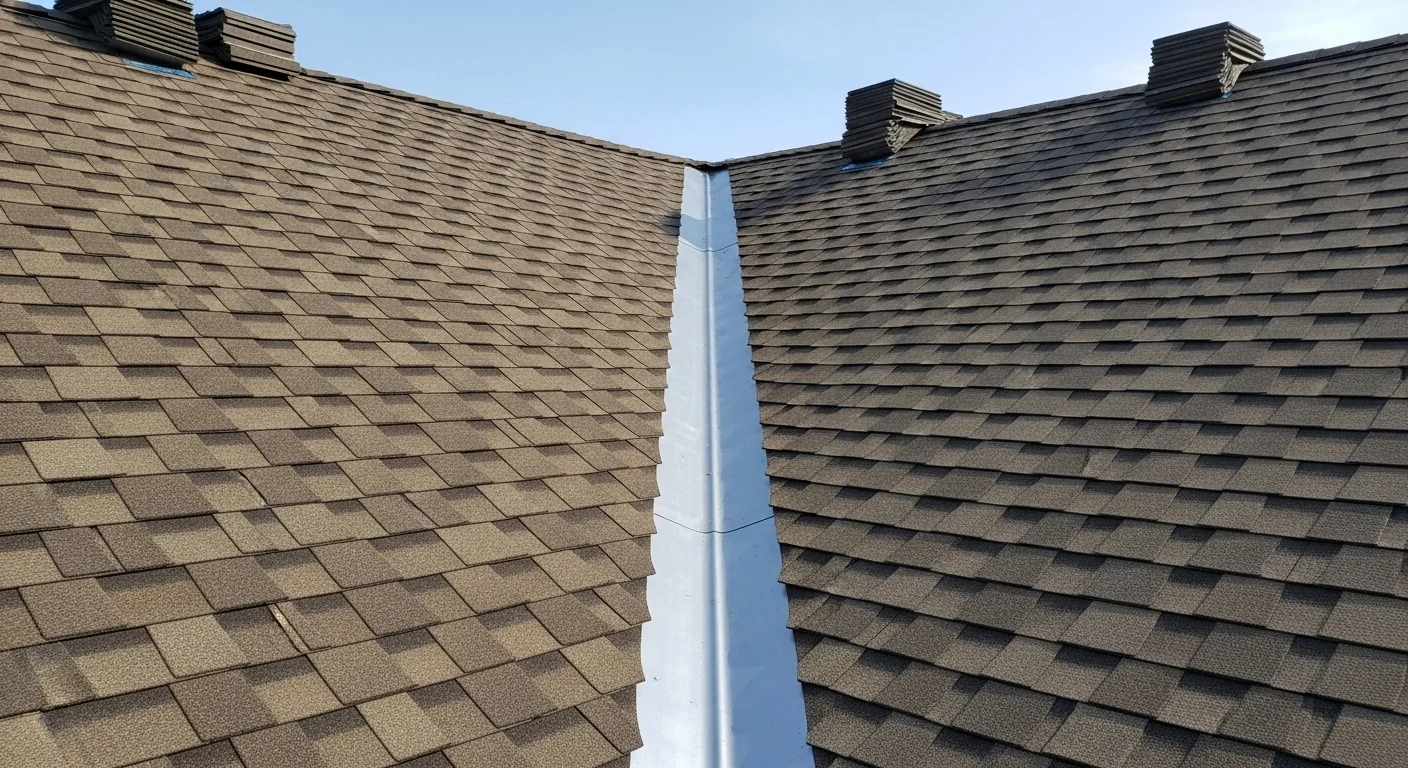
Waterproof underlayment and ice-and-water barrier are installed at eaves, valleys, and vulnerable transition points — a step that carries extra weight in a freeze-thaw climate like this one. Flashing is set at every chimney, vent, and wall intersection to block the leak points that cause the most callbacks.
Installing the New Roofing System
Shingles, metal panels, or tile are installed to manufacturer specification, including the fastening pattern and ventilation needed to hold the material’s wind rating.
Final Inspection, Cleanup, and Sign-Off
The completed roof is checked for workmanship, the permit inspection is closed out with the town, and the property is cleared of debris and leftover material.
What Does a Roof Replacement Cost on Long Island in 2026?
Current Long Island pricing runs meaningfully higher than generic national averages, largely because of the wind-rating and ice-barrier requirements specific to this region:
- Standard asphalt shingles: approximately $5–$9 per square foot installed
- Architectural shingles: approximately $7–$12 per square foot installed
- Standing seam metal roofing: approximately $10–$16 per square foot installed
For a typical single-family home, that translates to a full tear-off and replacement usually landing between $9,000 and $25,000, depending on square footage, roof pitch, number of penetrations, and whether deck repairs are needed.
Will Insurance Cover It?
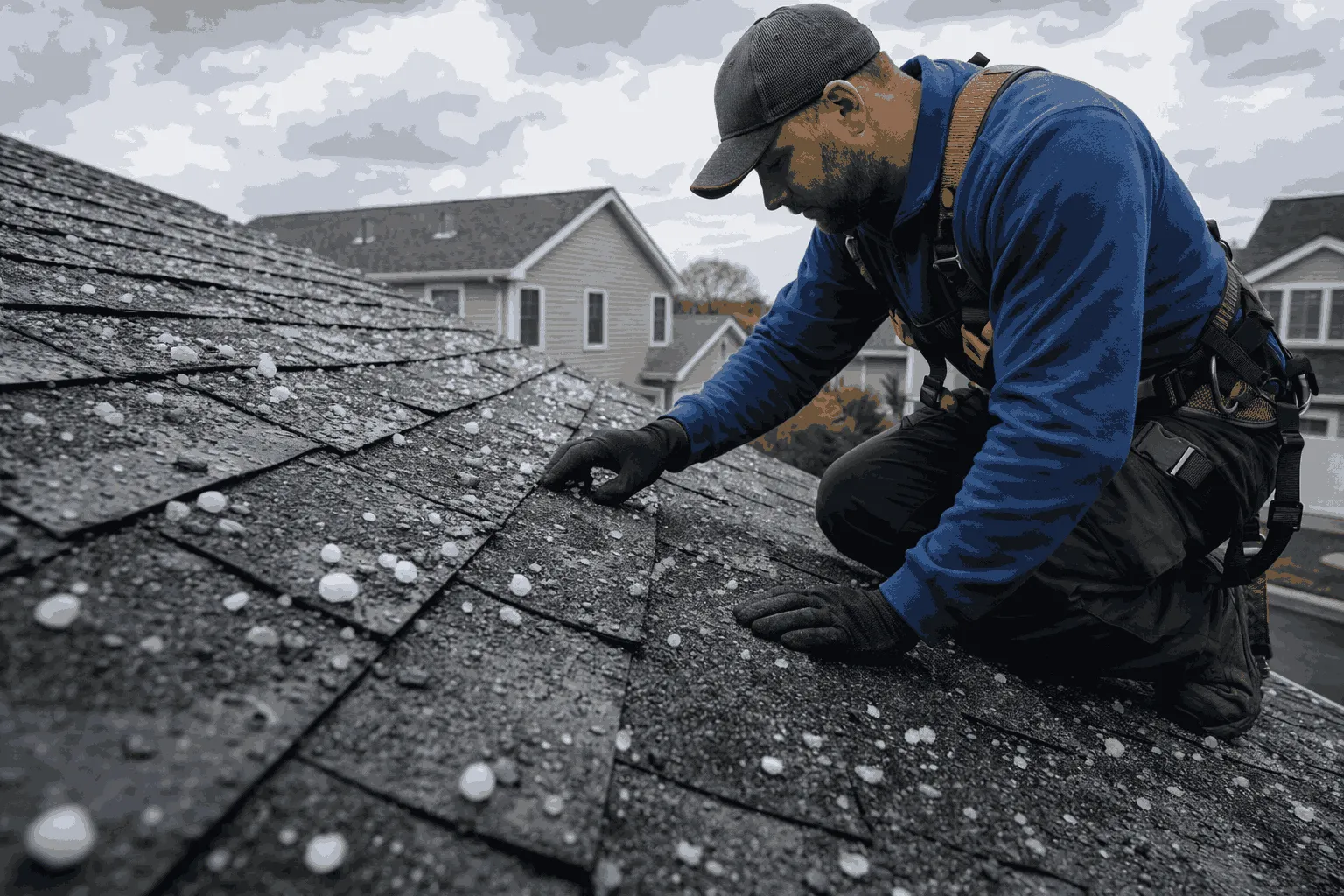
Homeowners insurance on Long Island typically covers roof damage from a sudden, covered event — wind, hail, a fallen tree, or nor’easter damage classified as windstorm loss. Gradual wear from age is generally treated as ordinary maintenance and isn’t covered. Many Nassau and Suffolk County policies also carry a separate wind or hurricane deductible, so it’s worth reviewing your policy and documenting any storm damage with photos before filing a claim.
Best Time of Year to Replace a Roof on Long Island
Nor’easter season generally runs from late fall through early spring, which shapes the ideal replacement window here more than in milder climates.
Spring and Early Summer
Mild, stable temperatures allow shingle sealant strips to bond properly and reduce weather-related delays — one of the more reliable windows for quality installation.
Late Summer
Contractor schedules sometimes ease up slightly during this stretch, which can mean shorter wait times before crews start.
Fall
The most heavily booked season, since homeowners want a new roof in place before winter storms arrive. Booking early is essential if you want a fall installation slot.
Winter
Cold temperatures make asphalt shingles more brittle and slower to seal, so winter installs generally require a crew experienced with cold-weather techniques. It’s workable, but it’s the least ideal season outside of emergency replacements.
Long-Term Value of a New Roof
- Lower heating and cooling costs through better insulation and ventilation
- Stronger curb appeal and higher resale value
- Fewer emergency repair calls over the following decade
- Better resistance to nor’easter-level wind and wind-driven rain
- Documentation that supports future insurance claims and home sales
Modern roofing systems also pair updated underlayment and ventilation with impact-resistant shingle technology, which noticeably outperforms roofs installed even 15–20 years ago.
Conclusion
A roof replacement is a significant investment, but for Nassau County homeowners it’s also one of the most protective decisions you can make against Long Island’s coastal weather. Recognizing the early warning signs, understanding the local permitting process, budgeting realistically for current material costs, and timing the project around nor’easter season all help you avoid an emergency replacement at the worst possible moment.
With the right materials, a permit-compliant installation, and a crew that understands what Long Island winters actually do to a roof, a new roof can reliably protect your home for decades while adding real value at resale.